Nephrologist shortages linked to higher kidney disease mortality along US-Mexico borde
Summary
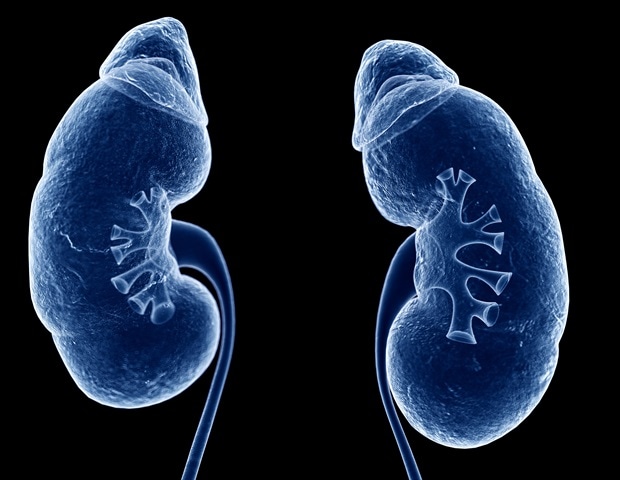
New research finds that U.S.-Mexico border counties experienced a sharper rise in chronic kidney disease mortality than non-border counties from 1999 through 2022. Border-county deaths increased from 48.2 to 81.4 per 100,000 people, compared with an increase from 35.1 to 54.4 elsewhere. Counties with the fewest nephrologists had mortality of 91.4 per 100,000, versus 52.8 in counties with the greatest availability. The county-level study found an association, not proof that workforce shortages caused the disparity.
Watchmen Signals
Biblical Context
Disproportionate deaths and limited access to specialized care among medically underserved communities raise biblical concerns about justice, mercy, and responsibility toward vulnerable people. Proverbs 31:8-9 calls those with authority to speak for people whose needs may otherwise be overlooked and to judge fairly. That principle can reasonably inform concern about communities carrying a high disease burden while having fewer specialists, although the passage does not prescribe a particular modern health-care policy. James 2:1-9 condemns partiality toward people based on social standing and identifies the command to love one’s neighbor as the governing response. The study does not prove intentional discrimination, but its reported disparity makes equitable attention to underserved communities a legitimate moral concern. Luke 10:30-37, in the parable of the Good Samaritan, presents practical compassion toward a suffering person who has been neglected by others. Applied by analogy, the passage supports taking concrete steps to assist people facing serious illness and limited care, without establishing that a specific workforce arrangement is biblically required. These passages support a concern for human dignity, impartial care, and responsibility toward vulnerable people. They do not turn a preliminary public-health association into a prophecy, nor do they determine whether nephrologist distribution, government action, health-system planning, or another intervention is the correct solution.
Biblical Sources
Scripture references supporting the biblical context above.
Condemns partiality and emphasizes loving one’s neighbor; this provides a relevant principle for considering unequal health burdens and access to care, though the passage does not address nephrology policy specifically.
The Good Samaritan provides a concrete example of compassionate action toward a suffering and vulnerable person; the connection to improving access to kidney care is an application by analogy, not a direct health-care directive.
Calls for speaking up for those who cannot adequately speak for themselves and judging fairly; this supports attention to medically underserved communities experiencing disproportionate mortality.
Comments
No comments yet.
Sign in to join the conversation.
Sign InStay Informed. Grow in Biblical Understanding.
Explore important news from around the world through the context of God's Word. Create your FREE Watchmen account to discover more news analysis, Biblical Insights, and Scripture-based perspectives.
Create Your FREE AccountFree to join. No credit card required.