Climate lawfare's back-channel campaign, and how you'll pay the bill
Summary
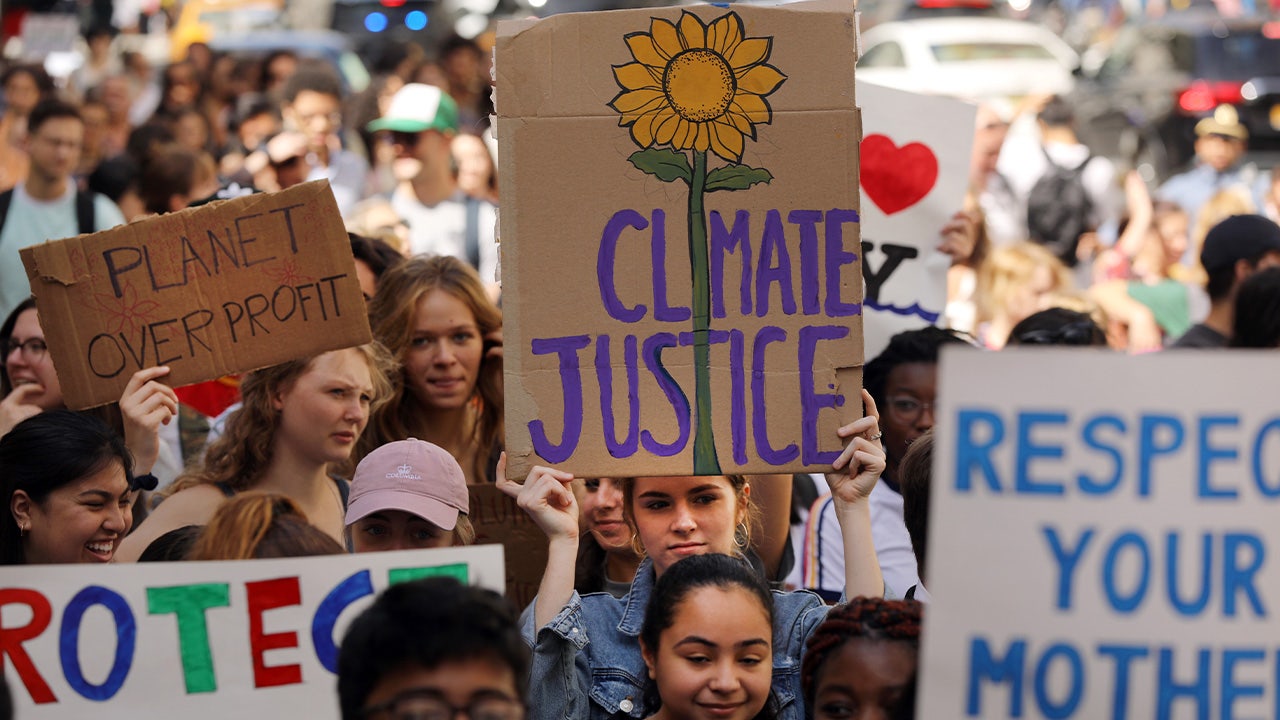
The Supreme Court has heard oral arguments in Suncor Energy v. County Commissioners of Boulder County, a case involving Boulder’s attempt to use Colorado public-nuisance law to hold two energy companies responsible for climate-related harms. The companies argue that greenhouse-gas emissions are global and cannot be tied to specific injuries, while Boulder maintains that state tort law can provide a remedy. The case could determine whether local governments may pursue climate claims that influence national energy policy and potentially generate extensive corporate-liability litigation.
Watchmen Signals
Biblical Context
The reported dispute raises concrete questions about judicial authority, impartial justice, government power, and whether legal proceedings are being used to accomplish policy goals that ordinarily belong to legislatures or executive agencies. Scripture does not resolve the constitutional merits of Boulder’s lawsuit, determine causation in climate science, or endorse one side’s energy policy. It does, however, provide relevant standards for judges, rulers, and litigants. Deuteronomy 16:18-20 commands judges to judge the people fairly, reject partiality and bribes, and pursue justice. That principle is directly relevant to the article’s allegations about efforts to target key judges and shape judicial education. The passage does not prove that any seminar or participant was improper; it establishes the standard against which claims of outside influence should be evaluated. Proverbs 17:23 warns that a wicked person accepts a secret bribe to pervert the ways of justice. The connection is conditional and limited: the article reports concerns about funding, influence, and behind-the-scenes participation, but it does not establish bribery or corrupt judicial conduct. The verse nevertheless underscores why undisclosed or interested influence would be a serious concern if proven. Romans 13:1-4 describes governing authorities as having a legitimate role in maintaining order and punishing wrongdoing. In the context of this dispute, it supports careful attention to the proper allocation of governmental authority rather than assuming that every policy objective may properly be achieved through litigation. It does not specify whether federal, state, or local institutions should decide climate policy, nor does it exempt corporations from lawful accountability. The article’s broader concern about courts imposing policy also connects, more indirectly, with Exodus 23:6-8, which forbids perverting justice and accepting gifts that distort judgment. Taken together with Deuteronomy 16, this passage supports institutional impartiality and resistance to corrupting influence. No specific biblical prophecy is identified: the reported lawsuit and judicial-influence allegations are present legal and policy disputes, not a recognizable fulfillment of a defined prophetic text.
Biblical Sources
Scripture references supporting the biblical context above.
Commands judges to administer justice fairly, avoid partiality, and pursue justice; it directly informs the article’s allegations about judicial influence and the integrity of legal decision-making.
Prohibits distorting justice and accepting gifts that corrupt judgment; it provides an additional principle relevant to impartial courts and alleged outside influence.
Warns that secret payments can pervert justice; this is relevant to reported concerns about funding and undisclosed influence, while not proving that bribery occurred in this case.
Describes the legitimate authority and public responsibilities of governing institutions, providing a biblical framework for considering disputes over courts, legislatures, agencies, and local governments.
Comments
No comments yet.
Sign in to join the conversation.
Sign InStay Informed. Grow in Biblical Understanding.
Explore important news from around the world through the context of God's Word. Create your FREE Watchmen account to discover more news analysis, Biblical Insights, and Scripture-based perspectives.
Create Your FREE AccountFree to join. No credit card required.