43 years after Beirut terror attack killed 241 Americans, rabbi recalls chaplains’ extraordinary response
Summary
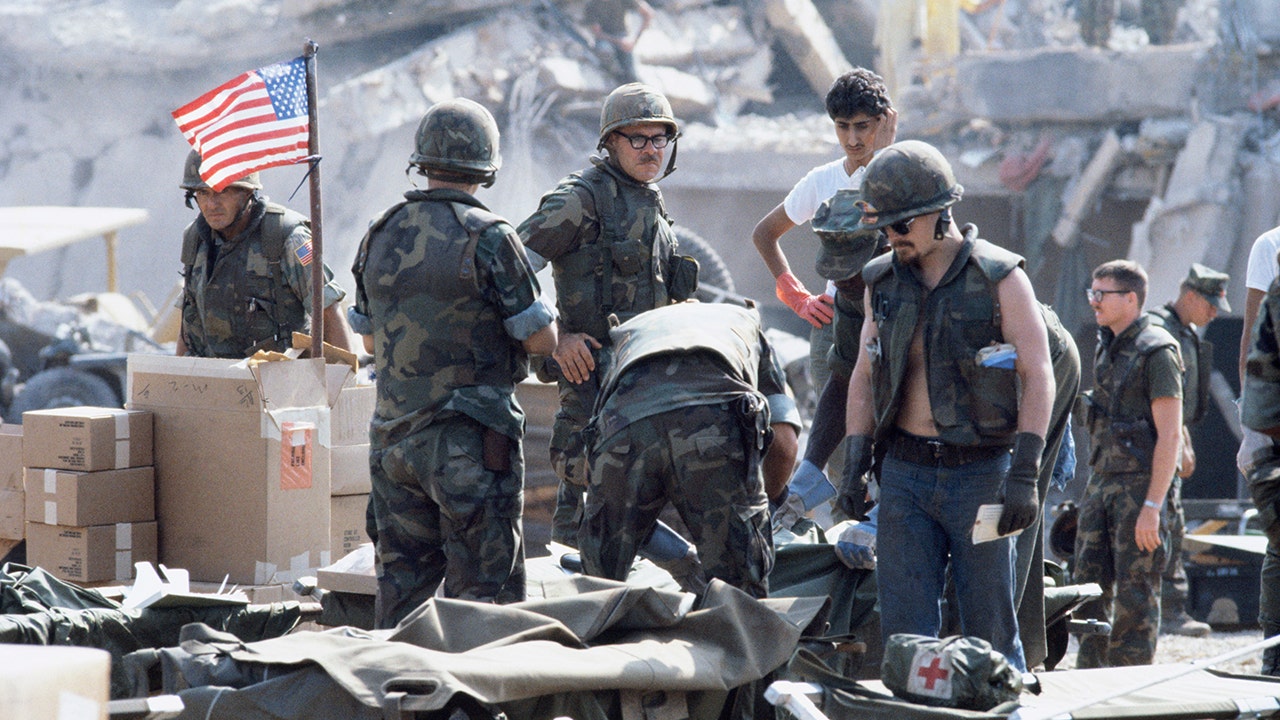
On October 23, 1983, a suicide truck bombing destroyed the U.S. Marine barracks in Beirut, killing 241 American service members and wounding more than 60. Rabbi Arnold Resnicoff survived because he had remained in Beirut after observing the Sabbath, and he joined Catholic and Protestant chaplains in caring for the wounded and mourning Marines. His account emphasizes interfaith cooperation during the crisis and says the event helped advance military religious-accommodation policies, including permission for Jewish personnel to wear religious head coverings.
Watchmen Signals
Biblical Context
The deliberate killing of service members is directly relevant to Scripture’s prohibition of murder and its broader condemnation of violent wrongdoing. Exodus 20:13 establishes the prohibition against murder, while Romans 13:1-4 describes the governing authority’s responsibility to restrain wrongdoing and protect the innocent; the latter passage does not specifically adjudicate the Beirut operation, but it provides a relevant framework for considering the state’s protective role. The chaplains’ conduct also illustrates biblical obligations toward the suffering and grieving. The reported actions—tending wounded people, remaining present with those laboring in the wreckage, and offering comfort without demanding a religious response—fit the principles of bearing one another’s burdens and weeping with those who weep. Luke 10:30-37 likewise presents compassionate aid to an injured person across social and group boundaries. These passages do not specifically address military chaplaincy, but they materially illuminate the reported care given to people of different religious backgrounds. The cooperation among Jewish, Catholic, and Protestant chaplains can be viewed as a practical example of neighbor-love and service across religious differences. That does not mean Scripture treats all religious beliefs as interchangeable, nor does it establish a prophetic significance for the bombing. The account’s reference to religious apparel also raises a limited religious-liberty issue: the report describes accommodation for an observant Jewish service member, but it does not provide enough legal detail to draw a broader conclusion about military policy. No specific biblical prophecy is meaningfully identified by the bombing. Its location in Beirut, terrorist violence, and connection to the Middle East do not by themselves correspond to the distinctive elements of a particular prophetic passage.
Biblical Sources
Scripture references supporting the biblical context above.
The command not to murder directly supports the biblical significance of the deliberate mass killing reported in the bombing.
Bearing one another’s burdens supports the reported practical assistance and emotional care offered to wounded survivors and mourners.
Jesus’ parable of the Good Samaritan emphasizes active mercy toward an injured person across group boundaries, illuminating the chaplains’ reported care for wounded people regardless of religion.
The instruction to weep with those who weep relates directly to the chaplains’ presence and support among Marines grieving comrades killed in the wreckage.
Paul describes governing authority as having responsibility to restrain wrongdoing and serve a protective function. This provides relevant, though not event-specific, context for considering violence against military personnel and the state’s protective duties.
Comments
No comments yet.
Sign in to join the conversation.
Sign InStay Informed. Grow in Biblical Understanding.
Explore important news from around the world through the context of God's Word. Create your FREE Watchmen account to discover more news analysis, Biblical Insights, and Scripture-based perspectives.
Create Your FREE AccountFree to join. No credit card required.