Trump sidelines sweeping Russia sanctions as GOP allies warn pressure on Putin is slipping
Summary
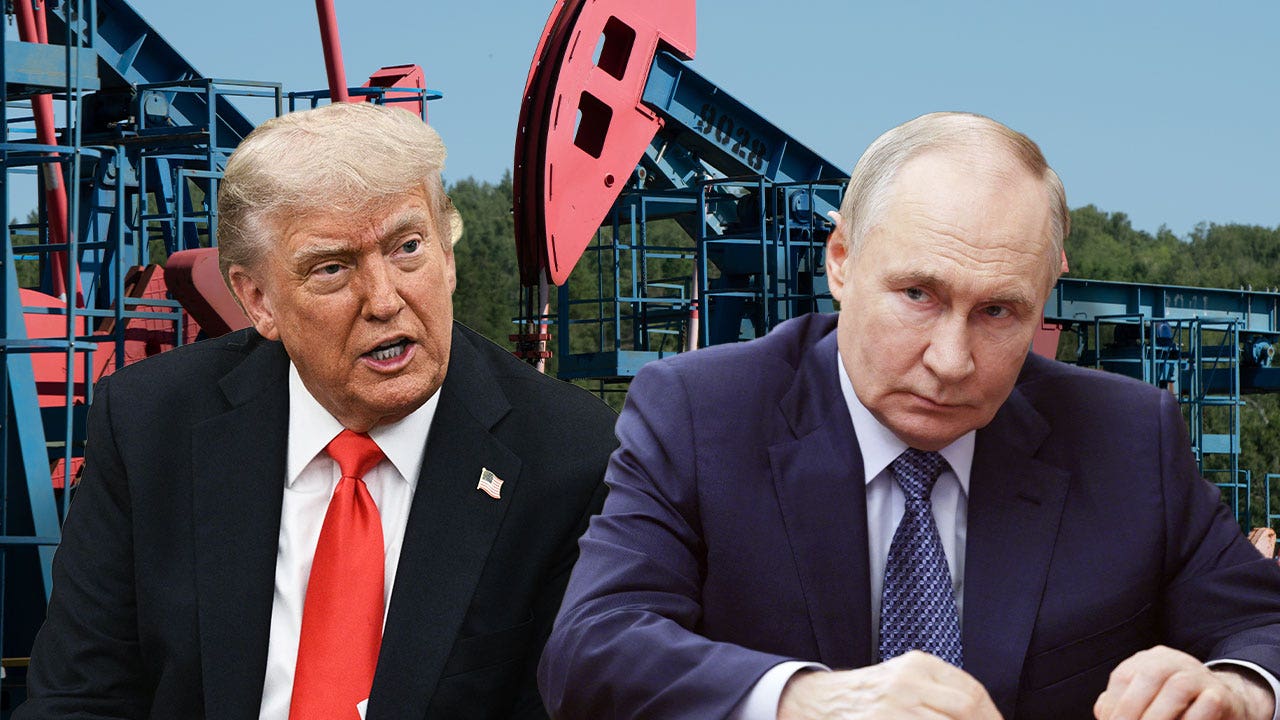
President Donald Trump has waived most Russia sanctions and tariffs authorized under the Graham Act, signed in September, while easing restrictions on Russian diesel exports. Trump says retaining the penalties as leverage will prevent Moscow from abandoning peace negotiations and may help lower fuel prices. Republican lawmakers, including Senators Katie Britt, Shelley Moore Capito, and Thom Tillis, argue that failing to impose the measures weakens U.S. credibility and reduces pressure on Vladimir Putin. The administration can still reinstate the penalties later.
Watchmen Signals
Biblical Context
The reported invasion, civilian suffering, and dispute over how rulers should pursue peace and restrain aggression fall within subjects Scripture addresses meaningfully. Romans 13:1–4 describes government authority as accountable to God for maintaining order and punishing wrongdoing; applied cautiously, it provides a framework for considering a state’s responsibility to confront aggression and use lawful power, but it does not prescribe a particular sanctions policy or determine whether Trump’s waiver is wise. The article’s references to civilians being killed and to the costs of war also connect with Scripture’s repeated concern for protecting the vulnerable and pursuing justice. Psalm 82:3–4 calls rulers to defend the weak and rescue the needy. That principle is relevant to the human consequences of the Russia-Ukraine war, though the passage does not directly address modern economic sanctions or the competing effects of pressure on civilians and energy markets. The stated goal of negotiation and a durable peace can be considered alongside James 3:17–18, which associates godly wisdom with peace and righteous conduct, and Matthew 5:9, which commends peacemaking. These passages support valuing genuine peace, but they do not imply that every concession produces peace or that economic pressure is inherently contrary to it. A policy can be evaluated by whether it responsibly restrains wrongdoing, protects people, and genuinely advances peace rather than merely postponing conflict. No specific prophetic passage identifies U.S. sanctions, Russian energy exports, or this stage of negotiations. General biblical references to wars and nations therefore should not be treated as evidence that a particular prophecy is being fulfilled.
Biblical Sources
Scripture references supporting the biblical context above.
James connects wisdom with peace, impartiality, and righteous fruit. This supports careful evaluation of whether negotiation and sanctions policy genuinely serve peace rather than merely appearing conciliatory.
Jesus blesses peacemakers. The verse supports the importance of pursuing peace in the reported negotiations, but it does not settle whether withholding or imposing sanctions is the better means.
The psalm calls rulers to defend the weak and rescue the needy. It relates to the article’s reporting on civilian suffering and the responsibility to consider vulnerable people affected by war and policy.
Paul describes governing authorities as responsible for public order and punishment of wrongdoing. This materially informs the question of how governments may use lawful power against aggression, while not prescribing a specific sanctions strategy.
Comments
No comments yet.
Sign in to join the conversation.
Sign InStay Informed. Grow in Biblical Understanding.
Explore important news from around the world through the context of God's Word. Create your FREE Watchmen account to discover more news analysis, Biblical Insights, and Scripture-based perspectives.
Create Your FREE AccountFree to join. No credit card required.