Trump can’t let Iran turn a military defeat into a diplomatic victory
Summary
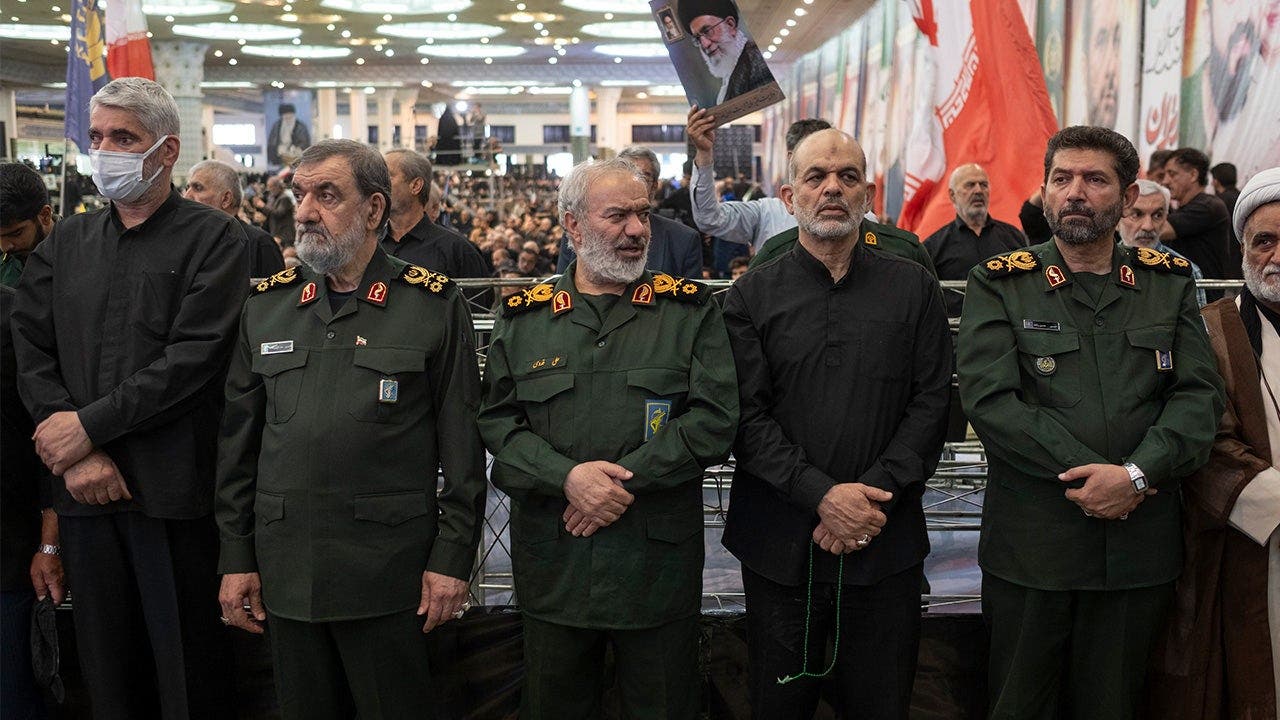
The commentary argues that Iran is using stalled nuclear negotiations, threats involving the Strait of Hormuz, and alleged asymmetric operations to preserve leverage after months of conflict with Israel and the United States. It says Tehran refuses to transfer enriched uranium abroad while seeking sanctions relief and other concessions. The author warns that maritime disruption, proxy activity, cyber operations, and political pressure could allow Iran to recover militarily and economically. The piece calls for strict verification, enforceable nuclear limits, and no advance concessions, while distinguishing Iran’s people from its ruling regime.
Watchmen Signals
Biblical Context
Iran’s conflict with Israel, its alleged use of coercion and deception, and the possibility of a wider regional alignment provide a legitimate biblical comparison, but Scripture does not identify every modern Iranian action as prophetic fulfillment. Ezekiel 38 specifically names Persia among the powers associated with a future attack against Israel. Because modern Iran is historically associated with Persia and the article reports continuing Iranian hostility in the context of an Iran-Israel war, comparison with that passage is reasonable. However, Ezekiel describes a distinctive future invasion involving a broader coalition, a leader identified as Gog, and a direct attack on Israel in the land; the supplied report does not establish those features. The prophetic connection is therefore preliminary rather than conclusive. The article also raises a more general question about the responsibility of governing authorities to restrain violence and protect the public. Romans 13:1-4 presents civil government as accountable for punishing wrongdoing and serving the public good. That principle can illuminate the stated duties of Washington regarding nuclear proliferation, maritime security, and the protection of civilians and commerce, but it does not endorse every proposed policy or settle the disputed facts about Iran’s conduct. Biblical warnings about deceptive speech and hidden motives are also relevant in a limited ethical sense. The article alleges that Iranian officials combine negotiation language with threats and uncompromising demands. Proverbs 12:22 condemns lying and commends faithfulness, while Proverbs 26:24-26 warns that hatred and deceit may be concealed beneath pleasant speech. These passages support caution about purported diplomatic assurances, but they do not prove that any specific Iranian statement is deceptive. The principal biblical prophetic comparison remains Ezekiel 38, and the present evidence falls well short of demonstrating fulfillment.
Biblical Sources
Scripture references supporting the biblical context above.
This passage names Persia among the powers associated with Gog’s future attack against Israel, making comparison with modern Iran’s reported hostility toward Israel reasonable while not proving that the present conflict is that event.
These verses describe a future, coordinated invasion of Israel by an assembled force. They clarify the distinctive elements that are not established by the article’s account of negotiations, maritime threats, and conflict.
This passage further describes the prophetic movement of a multinational force against Israel. It supports continued comparison with the article’s regional security developments but also shows why the reported facts do not establish fulfillment.
The verse condemns lying and commends faithfulness, providing an ethical framework for assessing the article’s allegations about deceptive negotiation tactics without independently proving those allegations.
These verses warn that hostility can be concealed beneath persuasive speech, a limited thematic connection to the article’s concern that diplomatic language may coexist with coercive strategies.
Paul describes governing authorities as having responsibility to restrain wrongdoing and serve the public good, a principle relevant to the article’s discussion of protecting civilians, commerce, and international security.
Comments
No comments yet.
Sign in to join the conversation.
Sign InStay Informed. Grow in Biblical Understanding.
Explore important news from around the world through the context of God's Word. Create your FREE Watchmen account to discover more news analysis, Biblical Insights, and Scripture-based perspectives.
Create Your FREE AccountFree to join. No credit card required.