GOP Congressman in California Swing-District Race Defends Vote for Medicaid Cuts
Summary
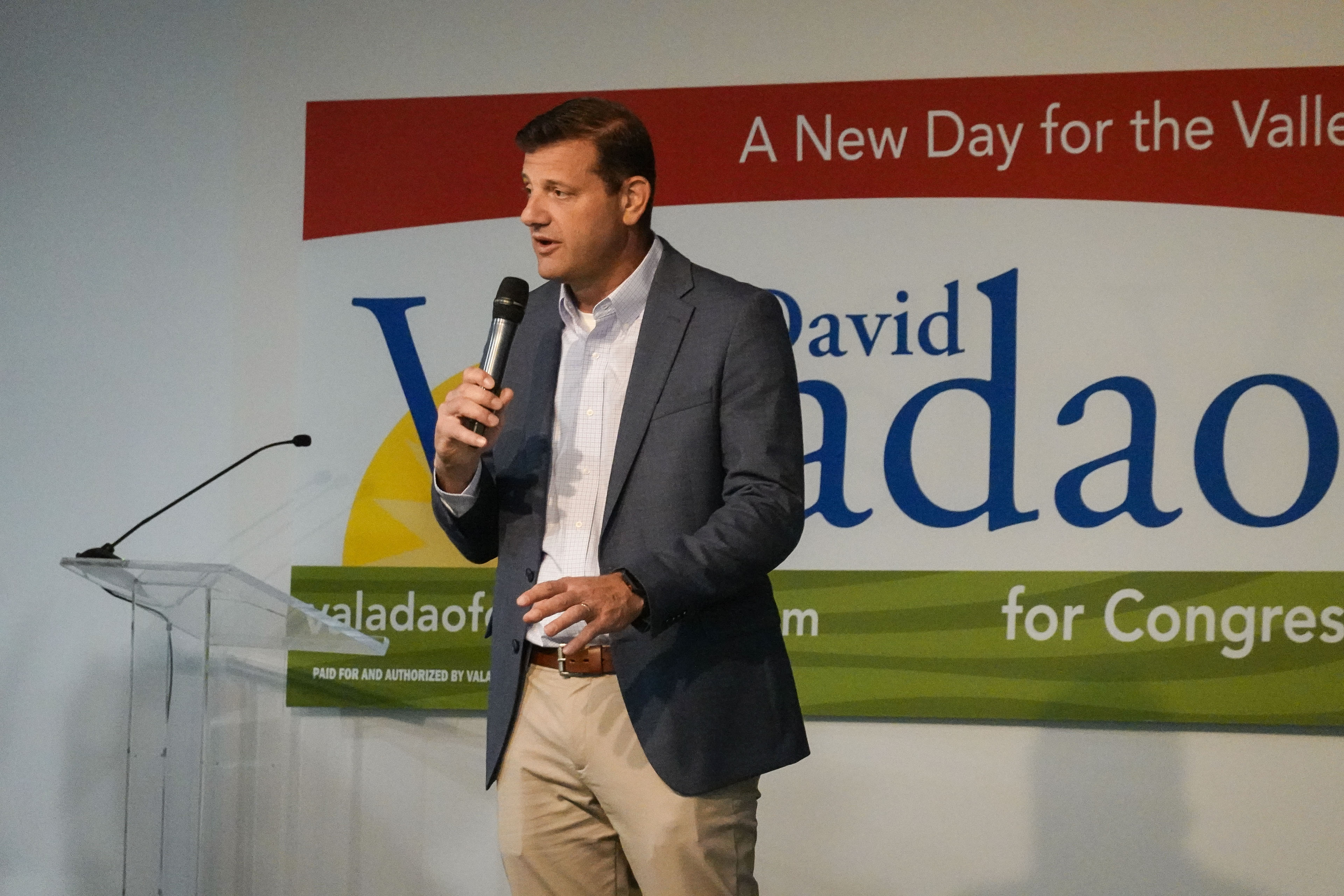
A Bakersfield Medicaid recipient is protesting federal healthcare reductions supported by Republican Rep. David Valadao, whose Central Valley district may lose substantial coverage under the One Big Beautiful Bill Act and the expiration of enhanced Affordable Care Act subsidies. Analysts estimate that 60,000 district residents and more than 2 million Californians could become uninsured by 2034, though the figures come from outside researchers and Valadao disputes claims that the law cuts Medicaid. The issue is central to a competitive congressional election against Democrat Randy Villegas.
Watchmen Signals
Biblical Context
The reported possibility that vulnerable adults could lose medical coverage raises a genuine biblical question about how society treats people who are poor, sick, disabled, or otherwise unable to secure their own welfare. Proverbs 31:8-9 commands those with authority to speak for people who cannot adequately defend their own interests and to judge righteously for the poor and needy. That principle is relevant to public decisions affecting Medicaid recipients, including Hernandez, who uses a wheelchair and describes being unable to eat after a medical emergency. James 2:15-16 addresses a believer who encounters a poorly clothed and hungry brother or sister but offers only words without meeting practical needs. The passage does not prescribe Medicaid or any particular government program, but it rejects indifference to urgent material hardship. The article’s account of patients potentially losing healthcare therefore warrants attention to whether affected people will have meaningful access to necessary care. The Bible also distinguishes inability from unwillingness. Second Thessalonians 3:10-12 addresses people who are unwilling to work despite being able, whereas the article concerns a broad population that may include disabled people, low-income workers, and adults whose eligibility could change under new administrative rules. That passage should not be used to assume that every Medicaid recipient is refusing responsibility. Likewise, Romans 13:1-4 recognizes a governing authority’s role in public order and justice but does not specify how a modern government must structure healthcare. Scripture therefore supports concern for vulnerable people, honest administration, and responsible stewardship without settling the partisan dispute over Medicaid policy.
Biblical Sources
Scripture references supporting the biblical context above.
Paul addresses able people who were unwilling to work and urges orderly, responsible conduct. The passage helps distinguish opposition to deliberate idleness from the needs of people who are disabled, ill, or otherwise unable to meet work requirements.
James condemns offering verbal well-wishes to people facing immediate material need without providing practical help. It supports concern about whether people at risk of losing coverage can obtain necessary medical care, without endorsing a specific government program.
The passage calls those with authority to speak for people who cannot adequately speak for themselves and to defend the rights of the poor and needy. It directly informs evaluation of policies that may affect access to healthcare for vulnerable residents.
This passage describes government authority as accountable to God for maintaining justice and restraining wrongdoing. It provides a framework for considering public policy and governmental responsibility, but it does not prescribe Medicaid or a particular healthcare system.
Comments
No comments yet.
Sign in to join the conversation.
Sign InStay Informed. Grow in Biblical Understanding.
Explore important news from around the world through the context of God's Word. Create your FREE Watchmen account to discover more news analysis, Biblical Insights, and Scripture-based perspectives.
Create Your FREE AccountFree to join. No credit card required.