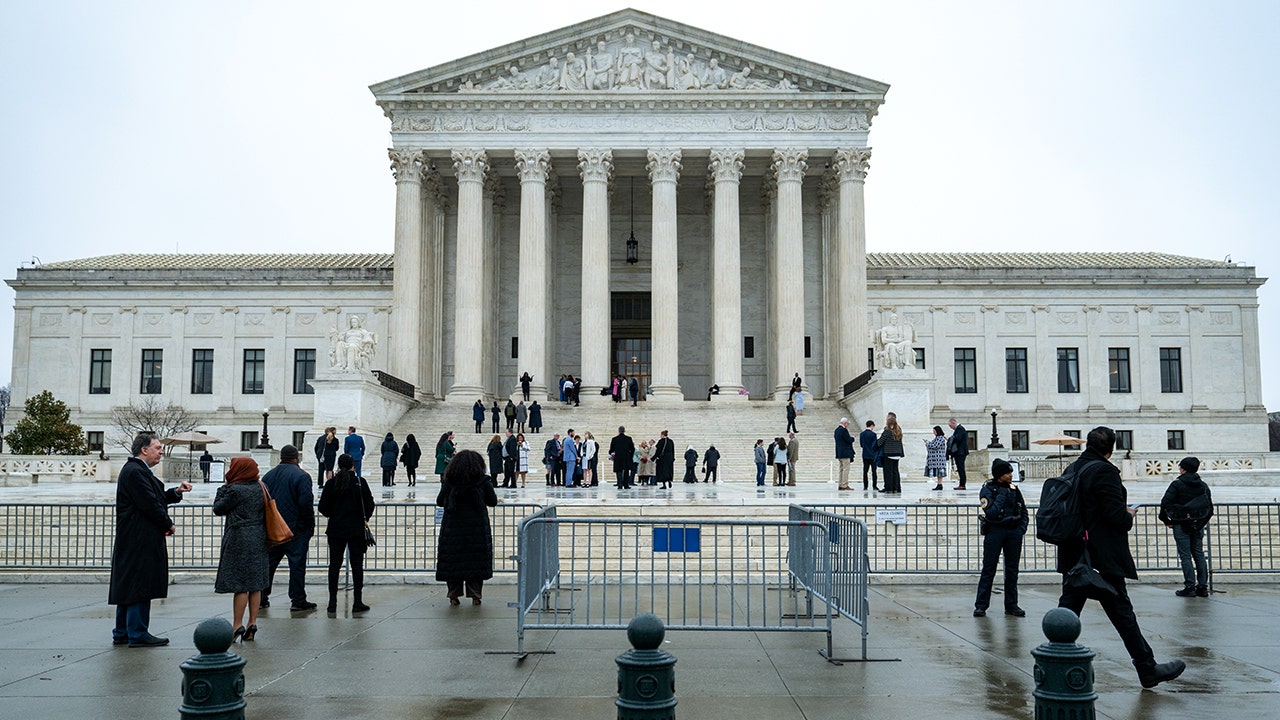
Supreme Court blocks use of student IDs as voter identification in New Hampshire
Summary
The Supreme Court allowed New Hampshire officials to reject student IDs as valid voter identification in the upcoming midterm elections. The decision relied on the Purcell principle, which cautions against changing election rules close to voting because of potential confusion. Justice Ketanji Brown Jackson argued that the lower court was instead preventing misinformation. The underlying challenge to New Hampshire’s law remains unresolved. Separately, Los Angeles County officials reportedly acknowledged they lack resources to verify the citizenship of registered voters, prompting calls for state action, though the article provides limited detail about that dispute.
Watchmen Signals
Biblical Context
The reported disputes involve the fair administration of civil law, accurate public information, and the responsibility of officials to apply legal standards impartially. Deuteronomy 16:18-20 instructs judges and officers to judge justly, reject partiality, and pursue justice. That principle is relevant to questions about whether election rules are administered consistently and whether courts or election officials are acting fairly, although the passage does not address modern voter-identification systems specifically. Romans 13:1-4 describes governing authorities as responsible for maintaining public order and exercising authority legitimately. This provides a general framework for considering state officials’ duty to administer election laws and courts’ role in reviewing official action. It does not settle the competing legal claims in New Hampshire or establish that either side is correct. The concern over alleged misrepresentations also relates to the biblical demand for truthful judgment and honest testimony. The article, however, does not establish which statements were false or whether citizenship verification failures have resulted in unlawful voting. These passages therefore support a meaningful connection to justice, truthful administration, and civil authority, but they do not identify a prophecy or directly prescribe a modern election procedure. No specific biblical prophetic passage is reasonably connected to the reported litigation or administrative dispute.
Biblical Sources
Scripture references supporting the biblical context above.
Instructs civil judges and officers to judge fairly, reject partiality, and pursue justice; these principles relate to the impartial administration and review of election rules.
Describes the authority and public-order responsibility of governing officials, providing a general framework for evaluating state administration of election law and judicial oversight.
Comments
No comments yet.
Sign in to join the conversation.
Sign InStay Informed. Grow in Biblical Understanding.
Explore important news from around the world through the context of God's Word. Create your FREE Watchmen account to discover more news analysis, Biblical Insights, and Scripture-based perspectives.
Create Your FREE AccountFree to join. No credit card required.