Brain-computer interface enables unresponsive ICU patients to control sounds
Summary
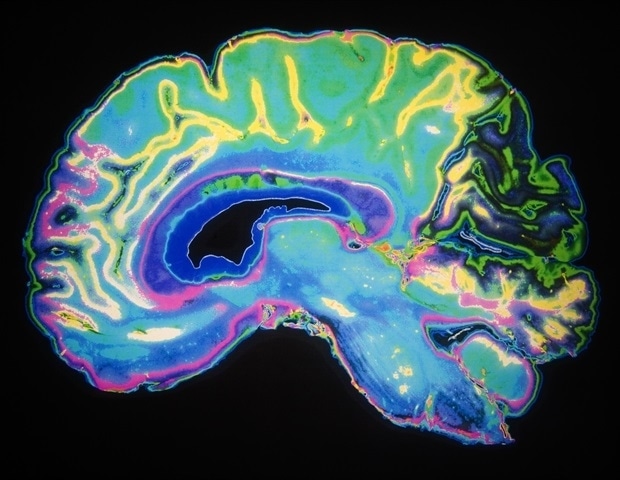
A Columbia-led study tested a noninvasive brain-computer interface in 41 clinically unresponsive patients with acute brain injuries. EEG electrodes recorded brain activity while patients attempted to change the frequency of a beeping tone by imagining hand movements. About one-third succeeded, including every patient identified through a separate examination as having cognitive motor dissociation, a condition involving preserved cognition despite an inability to move or respond. The findings suggest a possible future way to detect awareness and help otherwise uncommunicative patients express basic needs.
Watchmen Signals
Biblical Context
The ability to detect awareness in patients who appear unresponsive raises a direct question about how vulnerable human beings are valued and treated. Genesis 1:27 grounds human dignity in being made in the image of God; that dignity does not depend on visible movement, speech, productivity, or a clinician’s immediate ability to observe conscious responses. The study’s central concern—avoiding the mistaken assumption that an immobile patient lacks an inner life—therefore fits this biblical account of human worth. Proverbs 31:8-9 calls for speaking up for those who cannot speak for themselves and defending the rights of the vulnerable. It does not prescribe brain-computer interfaces, but it gives a meaningful ethical principle for evaluating efforts to discover and communicate the needs of patients unable to express them conventionally. A technology that helps identify pain or wishes could support that duty, while its limitations require humility and careful protection against treating uncertain signals as definitive statements. Jesus’ teaching in Matthew 25:40 emphasizes that care shown to vulnerable people is morally significant. In this setting, attentive care may include continued treatment, respectful communication, accurate assessment of consciousness, and family involvement rather than assuming that a clinically unresponsive person is beyond meaningful relationship. Scripture does not specifically address EEG interfaces, and these passages do not determine technical or legal questions such as consent, prognosis, or withdrawal of treatment. They do support preserving the patient’s dignity and taking possible signs of awareness seriously. The reported technology concerns medical communication rather than a fulfillment of biblical prophecy.
Biblical Sources
Scripture references supporting the biblical context above.
Human beings are made in the image of God, supporting the inherent dignity of patients whose consciousness may be present even when speech and movement are absent.
Jesus identifies care for vulnerable people as morally significant, illuminating the responsibility to treat severely brain-injured patients with attention, compassion, and respect.
The command to speak for those unable to speak and defend the vulnerable directly relates to efforts to identify and communicate the needs of unresponsive patients.
Comments
No comments yet.
Sign in to join the conversation.
Sign InStay Informed. Grow in Biblical Understanding.
Explore important news from around the world through the context of God's Word. Create your FREE Watchmen account to discover more news analysis, Biblical Insights, and Scripture-based perspectives.
Create Your FREE AccountFree to join. No credit card required.