Social determinants of health may increase kidney failure risk after critical illness
Summary
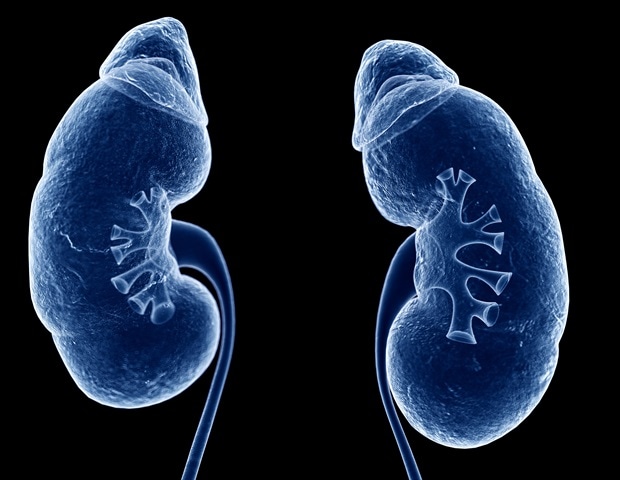
A study of 30,498 adults treated in intensive care at a major U.S. academic medical center from 2012 to 2022 found that acute kidney injury survivors faced differing risks of kidney failure after discharge. During follow-up, 326 patients developed kidney failure and 2,723 died. After statistical adjustment, Black patients had a 43% higher kidney-failure risk than white patients, while insured patients had a 40% lower risk. Greater neighborhood socioeconomic deprivation was also associated with higher risk. Researchers recommend standardized social-needs assessment and targeted follow-up care.
Watchmen Signals
Biblical Context
Unequal outcomes among vulnerable kidney-injury survivors raise a biblical concern about impartial treatment and responsibility toward people who may lack practical access to care. James 2:1-9 condemns showing favoritism based on social status and applies the command to love one's neighbor; it does not provide a medical explanation for racial or insurance-related disparities, but it supports careful attention to whether people receive fair treatment. Proverbs 31:8-9 calls for defending those who cannot adequately speak for themselves and judging fairly, which is relevant to patients whose insurance or neighborhood conditions may limit their ability to obtain follow-up care. These passages support ethical scrutiny of unequal access and encouragement of assistance for vulnerable people. They do not establish that the reported disparities are caused by discrimination, nor do they prescribe a particular health-insurance system or policy. The study distinguishes people by observed social conditions and outcomes; Scripture's principles call for impartiality, justice, and practical concern without treating demographic categories as proof of individual responsibility or blame. No specific prophetic passage is meaningfully identified by these medical findings.
Biblical Sources
Scripture references supporting the biblical context above.
James warns believers not to show partiality based on social standing and connects impartial treatment with the command to love one's neighbor. This supports examining whether vulnerable patients face unequal treatment or access, while not proving the causes of the study's disparities.
The passage calls for speaking up for those who cannot adequately speak for themselves and judging fairly. It relates to identifying and supporting patients whose insurance or socioeconomic circumstances may hinder post-discharge kidney care.
Comments
No comments yet.
Sign in to join the conversation.
Sign InStay Informed. Grow in Biblical Understanding.
Explore important news from around the world through the context of God's Word. Create your FREE Watchmen account to discover more news analysis, Biblical Insights, and Scripture-based perspectives.
Create Your FREE AccountFree to join. No credit card required.