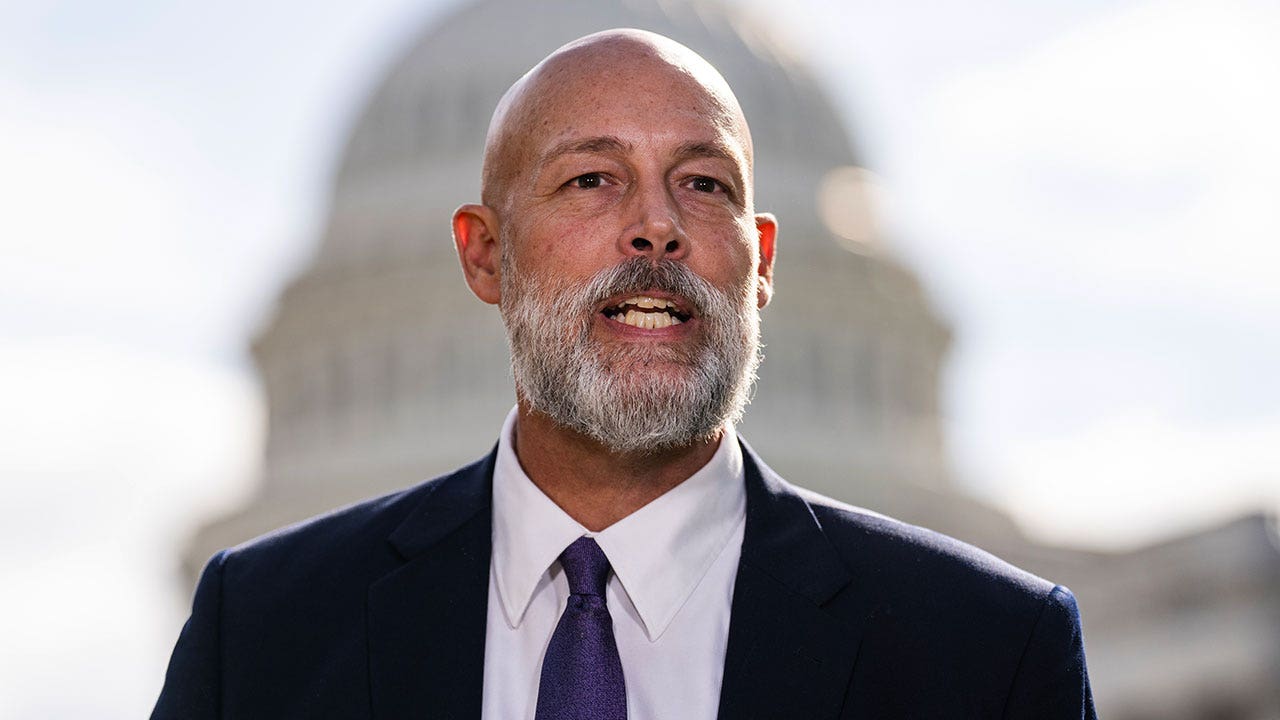
I'm independent Brian Bengs. This is why I want South Dakota's vote for Senate
Summary
Brian Bengs, a retired military prosecutor and former national park ranger, is running as an independent for the U.S. Senate in South Dakota. He argues that lobbying, campaign money, long-serving politicians, and alleged conflicts of interest have weakened public accountability. Bengs proposes banning congressional staff from lobbying and imposing term limits. He also criticizes Sen. Mike Rounds over alleged ties between a senior adviser and Meta, taxpayer-funded private-jet spending, support for tariffs and Iran-related military action, healthcare cuts, and meat-labeling policy. The article presents Bengs’s campaign arguments and allegations, not independently verified findings.
Watchmen Signals
Biblical Context
Public office is treated in Scripture as a responsibility to pursue justice rather than a private opportunity for influence or gain. The allegations about lobbying conflicts, taxpayer-funded benefits, and donors receiving favorable policy attention can be examined against Isaiah’s condemnation of rulers who accept gifts and neglect justice (Isaiah 1:23), although the passage does not address modern lobbying specifically. Proverbs 29:4 likewise connects just rule with national stability and condemns a ruler who exacts gifts; this offers a relevant principle for evaluating claims of self-dealing, not proof that any allegation in the campaign is true. Romans 13:1-4 describes governing authorities as accountable to God for restraining wrongdoing and promoting public good. That passage supports the general responsibility of officials to exercise authority lawfully and for the benefit of those they govern. It does not settle modern disputes over term limits, tariffs, healthcare spending, or military policy, nor does it require support for any particular candidate. Scripture also emphasizes honest economic conduct and impartial judgment. Proverbs 11:1 condemns dishonest scales, a principle that bears on fair dealing and truthful public administration. James 2:1-9 warns against partiality based on wealth, which is relevant to concerns that wealthy interests or corporate donors may receive preferential access. These are ethical comparisons, not findings that Meta, data-center interests, or any named official acted unlawfully. The article’s references to military action and national security do not identify a biblical prophecy. Scripture recognizes governmental authority and the seriousness of wielding force, but the supplied facts do not correspond to a specific prophetic passage. Likewise, the campaign’s criticism of prices, tariffs, and healthcare policy raises legitimate stewardship and justice questions, but Scripture does not prescribe a single modern economic program. Voluntary care for people in need, such as that commanded in 2 Corinthians 8:13-15, should also not be conflated with a direct endorsement of any particular government spending policy.
Biblical Sources
Scripture references supporting the biblical context above.
Paul describes equitable care for believers in need without requiring hardship for others; it helps distinguish biblical concern for economic burdens from endorsement of a specific tax, tariff, or healthcare policy.
Isaiah condemns leaders who are associated with gifts and who fail to defend the vulnerable; this is relevant to allegations of official self-dealing and compromised public responsibility, while not proving the campaign’s claims.
James warns against favoritism toward the wealthy; this offers a relevant ethical comparison to concerns about powerful donors and corporate interests receiving disproportionate influence.
The condemnation of dishonest scales supports the broader biblical requirement of honest and fair dealing, relevant to public accountability and claims that policy benefits are being exchanged for political influence.
The proverb contrasts just rule, which establishes a nation, with a ruler who exacts gifts; it provides a direct ethical principle for evaluating corruption and public leadership.
Paul presents governing authority as accountable to God and responsible for restraining wrongdoing and serving the public good; this bears on the duties Bengs attributes to elected officials.
Comments
No comments yet.
Sign in to join the conversation.
Sign InStay Informed. Grow in Biblical Understanding.
Explore important news from around the world through the context of God's Word. Create your FREE Watchmen account to discover more news analysis, Biblical Insights, and Scripture-based perspectives.
Create Your FREE AccountFree to join. No credit card required.