U.S. Orders Diplomats and Families Out of Saudi Arabia Amid Escalating Houthi Attacks
Summary
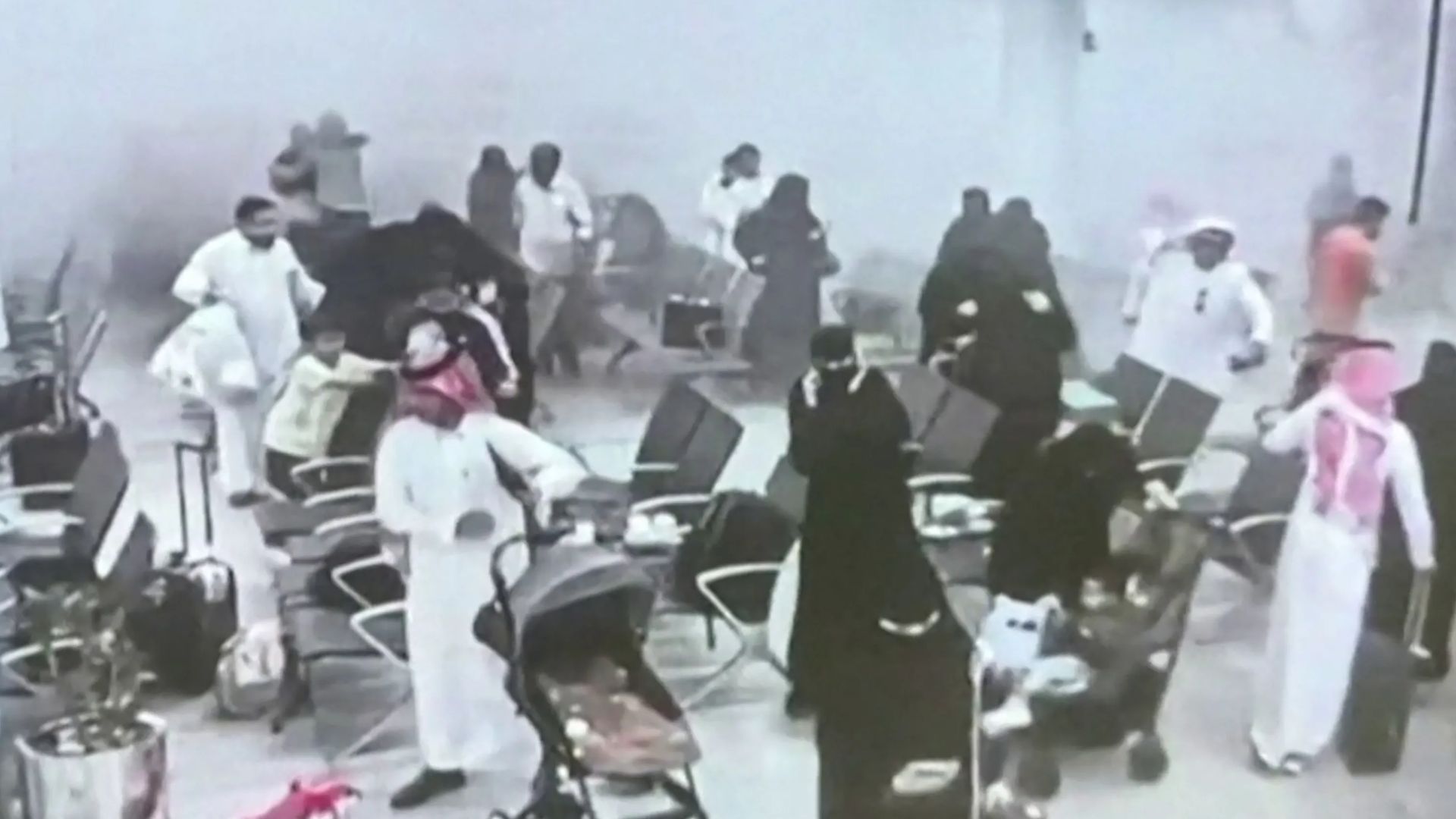
The United States has ordered nonessential diplomats and government employees’ families to leave Saudi Arabia as Houthi attacks, described as backed by Iran, intensify. The State Department cited deadly strikes and serious travel disruptions, warning that attacks on civilian airports and critical infrastructure could spread beyond the immediate area. The order affects the U.S. Embassy in Riyadh and its consulates. Washington also announced temporary staffing changes at other Gulf embassies as regional tensions continue to rise.
Watchmen Signals
Biblical Context
Attacks on civilian airports and critical infrastructure, the danger faced by families and diplomatic personnel, and the possibility of wider conflict place this development within subjects Scripture addresses directly: human violence, unrest among nations, and the responsibilities of governing authorities. Jesus warned that nations would rise against nations and that believers should not mistake such turmoil for an automatic declaration that the end has arrived (Matthew 24:6). That passage supports sober awareness of escalating conflict, but it does not identify this particular Saudi or Gulf crisis as a fulfillment of prophecy. James 4:1–2 connects wars and conflicts to human desires and disputes. Its immediate context is moral and spiritual rather than a geopolitical explanation of the Houthi-Iran relationship, but it provides a relevant biblical account of the roots and destructiveness of conflict. Romans 13:1–4 describes the governing authority’s responsibility to restrain wrongdoing and protect public order. The U.S. decision to reduce personnel and issue security warnings is a government response to reported threats, though the passage does not validate every policy choice or establish that the reported attacks fulfill a prophetic text. The article’s facts do not correspond specifically enough to a defined biblical prophecy. Iran’s reported backing of the Houthis, Gulf tensions, and attacks on infrastructure are significant developments, but war and regional instability by themselves are too general to establish prophetic fulfillment.
Biblical Sources
Scripture references supporting the biblical context above.
James addresses the origins and consequences of wars and conflicts arising from sinful human desires and disputes. The passage provides a relevant moral framework for considering the violence reported, though it does not explain the specific geopolitical actors.
Jesus speaks of wars and rumors of wars and warns that such events should not automatically be understood as the end. This supports careful attention to escalating conflict without claiming that the reported attacks fulfill prophecy.
Paul describes governing authorities as responsible for restraining wrongdoing and maintaining public order. That principle relates to the government’s security measures and protection of personnel, without endorsing every particular policy.
Comments
No comments yet.
Sign in to join the conversation.
Sign InStay Informed. Grow in Biblical Understanding.
Explore important news from around the world through the context of God's Word. Create your FREE Watchmen account to discover more news analysis, Biblical Insights, and Scripture-based perspectives.
Create Your FREE AccountFree to join. No credit card required.