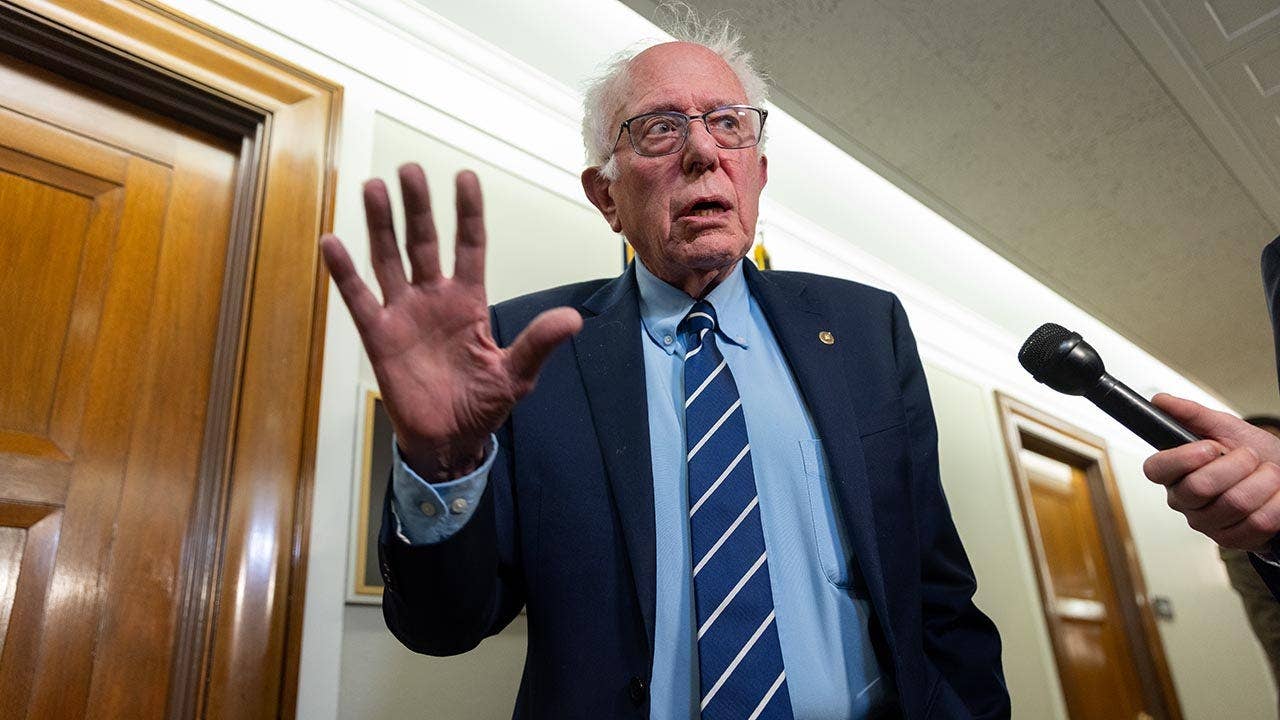
Dem lawmaker Bernie Sanders takes aim at billionaire NBA owners over surging ticket prices
Summary
The 2026–27 NBA season opened with three games, including Philadelphia’s victory over New York during the Knicks’ championship celebration. Sen. Bernie Sanders used the opening week to criticize the league’s billionaire ownership structure and the cost of attending games, citing an alleged $1,894 average ticket for the Knicks–76ers matchup. The report also describes public funding for stadiums, Steve Ballmer’s NBA suspension and the Clippers’ penalties, and ticket listings ranging from roughly $50 to $163 for other games, excluding fees.
Watchmen Signals
Biblical Context
The reported contrast between billionaire ownership, publicly supported sports venues, and ordinary families struggling to afford admission raises legitimate biblical questions about wealth, stewardship, justice, and treatment of people with fewer resources. James 5:1–6 directly warns wealthy people who accumulate riches while withholding what is owed and living in luxury at the expense of others. That passage would apply if owners, businesses, or other powerful parties were exploiting workers or consumers, but the supplied facts do not establish that every high ticket price or every wealthy owner involves such exploitation. Proverbs 22:22–23 teaches that the poor must not be robbed or crushed and presents God as the defender of those who are vulnerable to economic injustice. The connection here is principled rather than a finding that the NBA has violated this command: high prices, public subsidies, and restricted access deserve scrutiny when costs are shifted onto taxpayers or when ordinary people are unfairly disadvantaged. The New Testament also places moral obligations on wealthy people. First Timothy 6:17–19 does not condemn wealth itself or private ownership; it instructs the rich not to become arrogant or place their hope in riches, but to be generous and ready to share. That principle speaks to the responsibilities of owners and institutions benefiting from lucrative entertainment markets, while leaving questions about lawful pricing and commercial ownership open. Scripture does not establish a required ticket price, prohibit billionaires from owning sports teams, or provide a specific model for financing stadiums. Nor does the report show that all fans are unable to attend games or that the cited prices reflect the entire market. The strongest biblical application is therefore an ethical examination of stewardship, fairness, and the treatment of less affluent people—not a claim that the NBA controversy fulfills prophecy.
Biblical Sources
Scripture references supporting the biblical context above.
Tells wealthy believers not to put their hope in riches and to be generous and ready to share. It addresses the moral responsibilities associated with substantial wealth without condemning wealth or lawful ownership itself.
Warns wealthy people against hoarding wealth, withholding wages, and living in luxury while others suffer. It materially informs scrutiny of alleged economic exploitation, though the passage does not establish that the reported ticket prices themselves constitute exploitation.
Prohibits taking advantage of the poor and identifies God as their defender. It supports concern about whether high costs, public subsidies, or business practices unfairly burden people with fewer resources.
Comments
No comments yet.
Sign in to join the conversation.
Sign InStay Informed. Grow in Biblical Understanding.
Explore important news from around the world through the context of God's Word. Create your FREE Watchmen account to discover more news analysis, Biblical Insights, and Scripture-based perspectives.
Create Your FREE AccountFree to join. No credit card required.