Trump dominates El-Sayed's attacks against Rogers, but GOP rival offers unexpected policy split
Summary
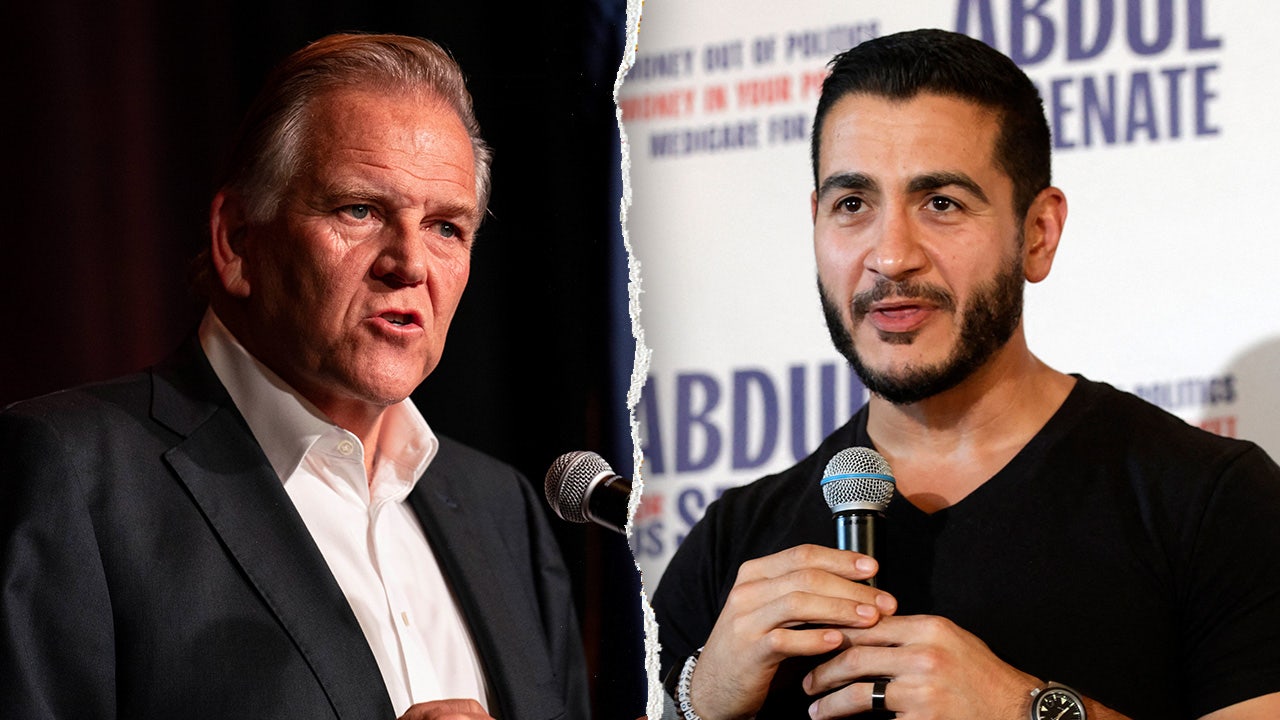
At a second debate in Michigan’s open U.S. Senate race, Democrat Abdul El-Sayed repeatedly portrayed Republican Mike Rogers as a “sock puppet” for President Donald Trump, while Rogers accused El-Sayed of holding extreme positions and misrepresenting his record. The candidates clashed over tariffs, Chinese automakers, policing, immigration, Israel, Gaza, and alleged connections involving donors or supporters and Hamas, Hezbollah, and the Muslim Brotherhood. The nationally watched contest could influence control of the Senate and test the strength of the Democratic Party’s progressive wing.
Watchmen Signals
Biblical Context
The debate raises questions Scripture treats seriously: the authority and responsibilities of civil government, public safety, truthful political accusations, and a nation’s posture toward Israel. Romans 13:1-4 describes governing authorities as having a legitimate public role in restraining wrongdoing and pursuing public order; this gives a relevant framework for arguments about policing and government authority, but it does not decide whether defunding, reforming, or expanding police functions is the correct modern policy. Leaders remain accountable to justice rather than merely to partisan power. Deuteronomy 16:18-20 commands judges to judge fairly and reject partiality, which bears on political claims that associate an opponent with terrorism or disloyalty without demonstrating the evidence. Exodus 20:16 prohibits false testimony, and Proverbs 18:13 cautions against answering a matter before hearing it fully. These passages do not prove that either candidate lied, but they make accuracy, fair representation, and careful treatment of allegations morally significant. The candidates’ disagreement over military aid to Israel also has a biblical connection, though Scripture does not prescribe a specific contemporary U.S. aid package. Genesis 12:1-3 records God’s promises concerning Abram and says that blessing and cursing toward him would carry significance; Christians differ on how that promise applies to modern states and governments. It therefore supports taking treatment of Israel seriously as a subject for moral and theological reflection, but it does not establish that one candidate’s policy is biblically required. The reported debate contains no distinctive set of events corresponding to a particular biblical prophecy. Its relevance is principally ethical and governmental, not prophetic.
Biblical Sources
Scripture references supporting the biblical context above.
Commands judges to administer justice fairly and reject partiality, principles relevant to evaluating political accusations and claims about public officials.
Prohibits bearing false witness, making truthfulness and evidentiary care relevant when candidates accuse opponents of disloyalty or ties to militant organizations.
Records God’s promises to Abram, including the significance of how others treat him; it provides a biblical basis for considering the moral importance of policies toward Israel while not prescribing a particular modern aid policy.
Warns against answering a matter before hearing it, supporting caution before accepting allegations about donors, supporters, associations, or past statements.
Describes the legitimate role of governing authorities in maintaining order and restraining wrongdoing, providing context for the debate over policing and public safety.
Comments
No comments yet.
Sign in to join the conversation.
Sign InStay Informed. Grow in Biblical Understanding.
Explore important news from around the world through the context of God's Word. Create your FREE Watchmen account to discover more news analysis, Biblical Insights, and Scripture-based perspectives.
Create Your FREE AccountFree to join. No credit card required.