Mamdani-backed congressional candidate says he was detained by Israeli military
Summary
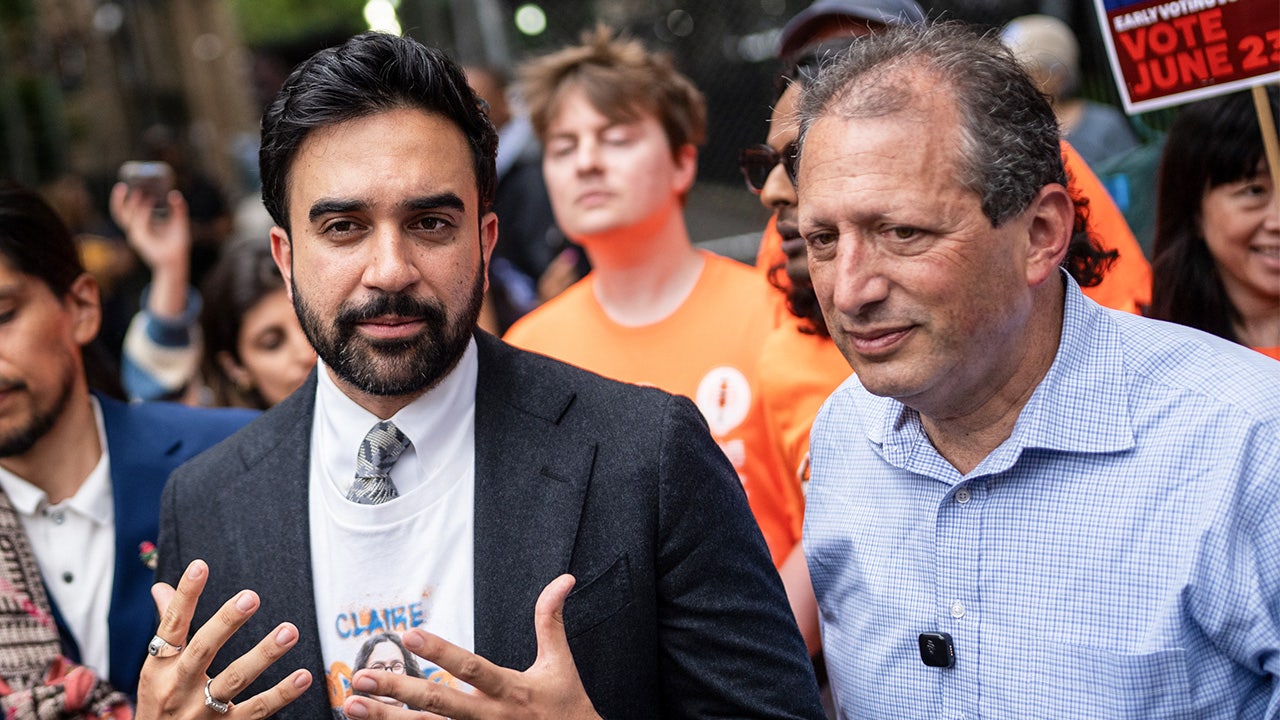
Brad Lander, a former New York City comptroller and congressional candidate backed by Mayor Zohran Mamdani, said he was detained Wednesday by Israeli forces while helping Palestinian farmers harvest olives near Nehalim in the West Bank. Fellow participants and Rabbis for Human Rights described the detention as occurring while the group stood with Palestinians, while Lander characterized the Israeli occupation as unlawful. The article does not establish the legal basis, duration, or current status of the detention, and Israeli authorities are not quoted.
Watchmen Signals
Biblical Context
A detention involving Palestinian farmers, access to farmland, and an olive harvest connects most directly with Scripture’s repeated concern for justice, vulnerable people, and the fair treatment of those living under authority. Isaiah 1:17 calls God’s people to seek justice and defend the oppressed; that principle is relevant to evaluating allegations that civilians or volunteers were unlawfully detained, although the passage does not determine whether the detention was lawful or justified. The harvest setting also has a genuine, though not exact, biblical parallel. Israel’s laws required landowners to leave portions of agricultural produce for the poor and the sojourner, as seen in Leviticus 19:9-10 and Deuteronomy 24:19-22. Those laws concern Israelite agricultural practice rather than modern West Bank governance, but they show that Scripture treats access to food-producing land and the treatment of vulnerable outsiders as matters of moral concern. Exodus 23:9 likewise prohibits oppressing the sojourner and recalls the experience of living as a stranger. This can illuminate the article’s claims about Palestinian farmers and foreign volunteers, but it does not establish that any party in the reported incident fulfills the passage’s categories. Romans 13:1-4 recognizes governmental authority while also describing its proper function as promoting good and restraining wrongdoing. That passage supports careful scrutiny of state action, but it does not automatically validate either the Israeli authorities’ conduct or Lander’s allegations. These passages provide principles for considering justice, agricultural access, vulnerable civilians, and governmental accountability. They do not settle the competing legal and historical claims over West Bank land, nor do the reported facts identify a particular biblical prophecy being fulfilled.
Biblical Sources
Scripture references supporting the biblical context above.
Establishes protections for the poor, the sojourner, the fatherless, and the widow through harvest practices; the connection is thematic because the modern incident concerns farmers and a harvest in disputed territory.
Prohibits oppressing the sojourner and emphasizes empathy toward those living as outsiders, relevant to the article’s claims about Palestinian farmers and foreign volunteers.
Calls for seeking justice, correcting oppression, and defending the vulnerable; this materially relates to allegations about the treatment of Palestinian farmers and detained volunteers, without resolving the facts of the incident.
Requires leaving part of the harvest for the poor and the sojourner, providing relevant context for the article’s focus on an olive harvest and access to agricultural produce.
Describes the proper role and accountability of governing authorities, providing a framework for considering disputed state detention without assuming either justification or wrongdoing.
Comments
No comments yet.
Sign in to join the conversation.
Sign InStay Informed. Grow in Biblical Understanding.
Explore important news from around the world through the context of God's Word. Create your FREE Watchmen account to discover more news analysis, Biblical Insights, and Scripture-based perspectives.
Create Your FREE AccountFree to join. No credit card required.