Iranian town mourns after deadly strike on wedding
Summary
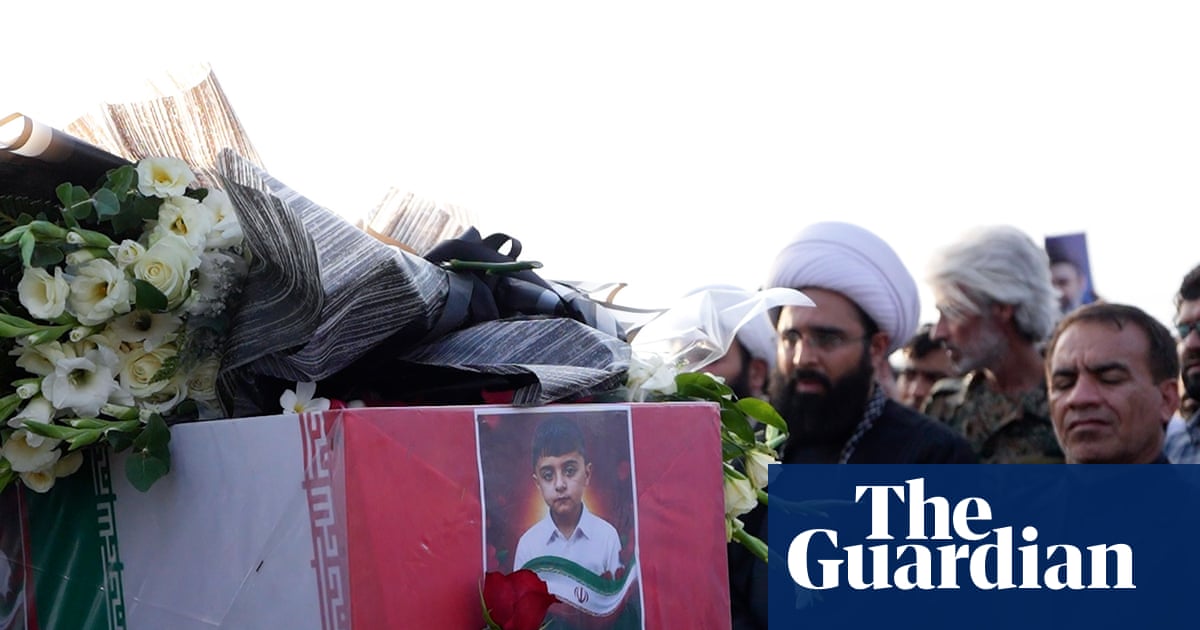
The article reports that a strike on a wedding gathering in Kuhestak, a predominantly Baloch city in Iran’s southern Hormozgan province, killed at least four people—including a four-year-old child—and injured more than 60 others. The explosion occurred at approximately 9:30 p.m. on September 1, as guests were gathering for a wedding and henna ceremony. Iranian state media and local residents identified the damaged home as belonging to Ali Mallahi, whose daughter was being married. Reported victims included four-year-old Amir Mohammad Karimi, 16-year-old Mohammad Mallahi, and 22-year-old Asiyeh Molainejad; the article says at least six injured people remained in intensive care in Minab. Local witnesses and activists said neighboring homes were also damaged and that shrapnel struck residents. Internet restrictions and alleged warnings against speaking with foreign media have complicated independent documentation. US Vice-President JD Vance said the United States does not target civilians but that “sometimes things happen,” while expressing skepticism about Iranian reports. The article presents accounts from local residents and human-rights activists who say Baloch civilians feel neglected and exposed to conflicts beyond their control. The reported deaths and injuries have prompted funerals, mourning, and demands—though not clearly directed at a single party—for answers and accountability.
Watchmen Signals
Biblical Context
The article concerns the deaths and injuries of civilians, grief among families, and questions of protection and accountability. Scripture provides legitimate ethical and pastoral themes for these issues: mourning with those who mourn, recognizing God’s concern for the brokenhearted, and defending vulnerable people. These are broad applications rather than evidence that the event fulfills a specific biblical prophecy. The article does not establish a uniquely biblical geographic, national, or prophetic connection.
Biblical Sources
Scripture references supporting the biblical context above.
These verses call for speaking up for vulnerable people and pursuing justice, a relevant ethical principle in light of the article’s concerns about civilian casualties, restricted testimony, and accountability.
This passage presents God as near to the brokenhearted, relating to the article’s account of bereaved families and a community experiencing profound grief.
The instruction to mourn with those who mourn provides a direct biblical basis for acknowledging solidarity with families grieving the reported deaths.
Comments
No comments yet.
Sign in to join the conversation.
Sign In