University president sounds alarm as nearly half of students justify violence to stop 'hate speech'
Summary
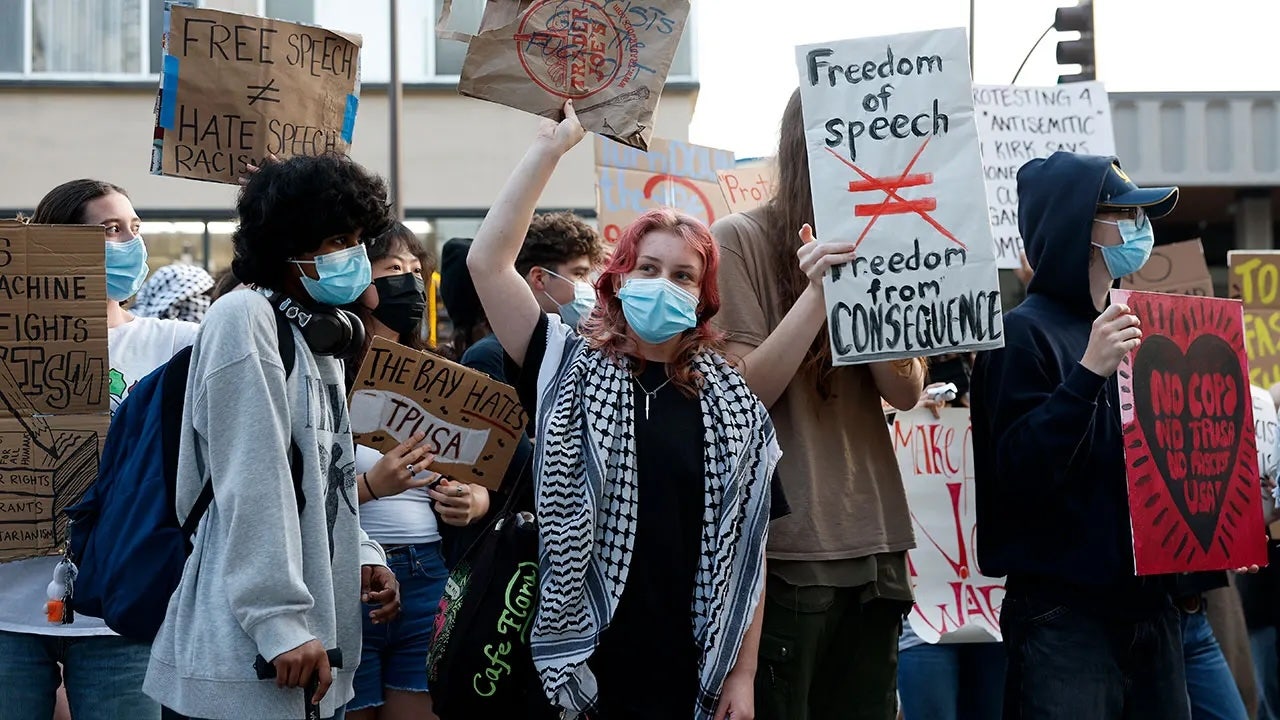
A Buckley Institute survey of 803 full-time undergraduates at four-year U.S. colleges found that 45% said physical violence could be justified to stop speech they consider hateful. The survey also reported support for shout-downs, criminal prosecution of offensive speech, socialism over capitalism, and the claim by some respondents that the United States deserved the September 11 attacks. Cornerstone University President Gerson Moreno-Riaño attributed the findings to failed moral formation and warned that resentment, political violence, and advanced technology could create serious risks.
Watchmen Signals
Biblical Context
The reported willingness to justify violence against disliked speech conflicts with Scripture’s repeated call for self-control, patient listening, truthful speech, and rejection of personal vengeance. Proverbs 12:18 contrasts reckless words that wound with speech that brings healing; this bears directly on the relationship between inflammatory speech and destructive responses, although it does not settle modern legal questions about hate-speech regulation. James 1:19-20 instructs believers to be quick to hear, slow to speak, and slow to anger, explaining that human anger does not produce God’s righteousness. That principle materially addresses the survey’s reported support for shout-downs and violence: disagreement and offense are not presented as sufficient grounds for uncontrolled retaliation. Romans 12:17-21 goes further by rejecting repayment of evil with evil and calling believers to overcome evil with good. The passage concerns Christian conduct rather than campus policy, but it provides a clear counterpoint to the retaliatory mindset reflected in the reported responses. The article’s discussion of moral formation also has a legitimate biblical connection. Proverbs 1:7 identifies reverence for the Lord as the beginning of knowledge and contrasts wisdom with despising instruction. This supports the general importance of moral and intellectual formation, but it does not prove Moreno-Riaño’s broader claims about the condition of American higher education. Scripture likewise does not provide a simple endorsement or condemnation of the modern political labels “socialism” and “capitalism.” The survey’s economic preferences therefore should not be treated as direct evidence of biblical agreement or opposition. Finally, the article’s concern about powerful technology being used by people without moral restraint can be compared, cautiously, with the biblical emphasis on wisdom governing knowledge and action. The supplied facts do not establish a prophetic technology pattern, nor do they show that artificial intelligence caused the attitudes reported. The strongest biblical connection remains the need for truthful speech, restraint, wisdom, and refusal of vengeance in the face of disagreement.
Biblical Sources
Scripture references supporting the biblical context above.
James commands people to listen carefully, speak cautiously, and restrain anger, teaching that human anger does not accomplish God’s righteousness. This materially relates to support for shout-downs and violence against opposing speech.
The verse presents reverence for the Lord as the beginning of knowledge and emphasizes the role of moral wisdom and instruction, supporting a cautious connection to the article’s discussion of moral formation without validating all of its institutional criticisms.
The proverb contrasts reckless speech that wounds with wise speech that heals, directly illuminating the article’s concerns about offensive expression, inflammatory rhetoric, and harmful responses to speech.
Paul rejects repaying evil with evil and personal vengeance, urging believers to pursue peace and overcome evil with good. This provides a direct biblical counterpoint to justifying violence against disliked or allegedly hateful speech.
Comments
No comments yet.
Sign in to join the conversation.
Sign InStay Informed. Grow in Biblical Understanding.
Explore important news from around the world through the context of God's Word. Create your FREE Watchmen account to discover more news analysis, Biblical Insights, and Scripture-based perspectives.
Create Your FREE AccountFree to join. No credit card required.