World Health Organization calls Kennedy- and CDC-backed Guinea-Bissau hepatitis B vaccine study designed to ‘prove’ the danger of vaccines “unethical”
Summary
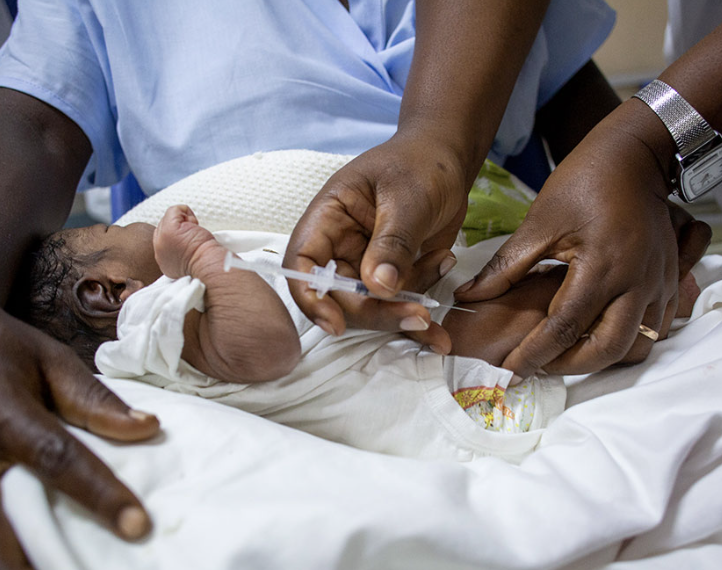
A hepatitis B vaccine trial in Guinea-Bissau would withhold the birth dose from about 7,000 of 14,000 newborns to investigate alleged links to skin and neurodevelopmental problems. The study resumed after researchers faced the expiration of $1.6 million in CDC grant funding. A University of Southern Denmark ethics panel approved the revised protocol by a 5-4 vote, prompting four members to resign. The WHO has opposed the trial, and Guinea-Bissau’s health minister says national approval has not yet been granted. Critics question both the scientific justification and the ethics process.
Watchmen Signals
Biblical Context
The reported decision places especially vulnerable people—newborns—in a research setting where they cannot consent and where the alleged financial pressure may have affected institutional judgment. Proverbs 31:8-9 calls those with authority to speak and judge on behalf of people who cannot protect their own interests; that principle is directly relevant to safeguards for infants and to the responsibility of ethics committees and public officials. Psalm 82:3-4 likewise commands the defense of the weak and needy, applying broadly to decisions that may expose vulnerable children to preventable harm. The narrow vote and reported resignations also raise questions of impartial justice and responsible authority. Deuteronomy 16:19 prohibits perverting justice and taking decisions under improper influence. It does not specifically address modern research boards or grant deadlines, but it provides a meaningful ethical principle for evaluating whether funding pressure compromised an independent review. Romans 13:1-4 describes civil authority as accountable for maintaining order and protecting the public; the passage does not settle whether this particular trial should proceed, but it underscores that government and public institutions exercise authority for the good of those under their care, not merely to preserve programs or funding. James 1:27 emphasizes practical care for vulnerable people, especially those without power or protection. Its immediate context concerns care for orphans and widows and personal holiness, not medical experimentation, so the connection is thematic rather than a direct rule about vaccines. Scripture does not address hepatitis B vaccination, clinical-trial methodology, or the allocation of CDC grants. The relevant biblical application is therefore the protection of vulnerable human life, impartial judgment, stewardship of public resources, and accountability in exercising authority—not a claim that the Bible determines the trial’s medical conclusions.
Biblical Sources
Scripture references supporting the biblical context above.
The law forbids perverting justice, showing partiality, and accepting improper influence. The principle is relevant to the reported concern that a grant-expiration deadline may have affected an ethics decision, although the passage does not address research committees specifically.
James commends practical care for people who are vulnerable and without protection. The immediate context concerns orphans and widows, so its application to this trial is thematic, supporting concern for the welfare of newborns rather than providing a specific medical directive.
The passage calls rulers to speak for those unable to speak for themselves and to defend the rights of the poor and needy. It supports scrutiny of decisions affecting newborns who cannot consent or advocate for themselves.
God commands those exercising judgment to defend the weak, fatherless, afflicted, and needy. This materially illuminates the duty to protect vulnerable infants and to prevent institutional decisions from exposing them to unjustified risk.
Paul presents governing authority as accountable to God and responsible for public order and good. This provides a framework for considering the obligations of health agencies, ethics bodies, and national authorities when exercising power over public-health decisions.
Comments
No comments yet.
Sign in to join the conversation.
Sign InStay Informed. Grow in Biblical Understanding.
Explore important news from around the world through the context of God's Word. Create your FREE Watchmen account to discover more news analysis, Biblical Insights, and Scripture-based perspectives.
Create Your FREE AccountFree to join. No credit card required.