Update: Christian Teen Healing from Mob Assault Forgives His Attackers
Summary
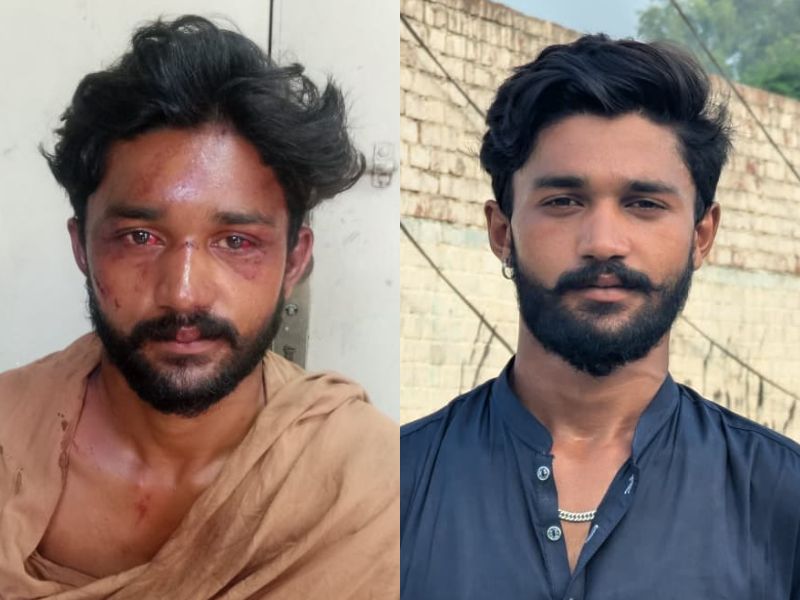
Seventeen-year-old Christian Ikhlaq Masih was severely beaten in August in Nasrat Colony, near Sheikhupura, Pakistan, after confronting men accused of harassing girls on their way to church. Masih says the attackers used religious slurs and later returned with weapons. Eight suspects were initially charged; three charges were dismissed, while proceedings against five continue. Masih remains in recovery and has relocated after reported death threats. His family, facing medical debt, received temporary financial and food assistance from International Christian Concern.
Watchmen Signals
Biblical Context
The reported assault directly involves a Christian teenager who says he was targeted with religious slurs after defending a vulnerable girl. Jesus instructs His followers to love and pray for persecutors rather than answer hatred with hatred (Matthew 5:44). Masih’s stated forgiveness and prayers for his attackers closely reflect that teaching, although his response does not remove the need for lawful protection and accountability. Scripture also calls God’s people to defend those who are mistreated and to seek justice. Isaiah 1:17 commands the pursuit of justice and the defense of the oppressed; that principle is relevant to the alleged harassment of girls, the assault on Masih, and the family’s concern that influence could weaken legal accountability. Romans 13:1-4 describes the governing authority’s responsibility to restrain wrongdoing and punish evil, which provides a relevant framework for evaluating whether the criminal process protects victims and fairly addresses violent conduct. The family’s financial distress and the support provided by ICC also connect with New Testament teaching about practical care within the Christian community. Galatians 6:2 calls believers to bear one another’s burdens, and James 1:27 identifies care for people in distress as an expression of genuine religion. These passages illuminate the reported assistance, prayer, and solidarity offered to Masih’s family without implying that private Christian charity substitutes for justice or public protection. The persecution passages provide a reasonable prophetic comparison but not proof of fulfillment. Jesus warned that His followers would be hated and handed over to persecution (Matthew 24:9), and John 15:18-20 teaches that hostility toward Christ’s disciples may reflect hostility toward Christ Himself. The reported religiously motivated assault resembles that pattern. However, this is one localized case, and the supplied facts do not establish the worldwide, escalating, or end-times scope described by those passages. The most responsible conclusion is that the incident makes comparison with the biblical pattern of persecution possible, not that it demonstrates a prophecy has been fulfilled.
Biblical Sources
Scripture references supporting the biblical context above.
The instruction to bear one another’s burdens relates to the Christian community’s prayer, advocacy, and practical assistance for Masih’s family.
The passage commands the pursuit of justice and defense of the oppressed, relevant to the alleged assault, harassment of girls, and concern about legal accountability.
James connects genuine religious devotion with caring for people in distress, relevant to ICC’s food, financial, and family support.
Jesus explains that hostility toward His disciples may arise from hostility toward Him; this provides a biblical pattern comparable to the reported anti-Christian slurs and violence.
Jesus teaches His followers to love their enemies and pray for those who persecute them, directly relating to Masih’s reported forgiveness and prayers for his attackers.
Jesus warns that His followers will face persecution and hatred, making a specific comparison with the reported religiously motivated attack while not proving an end-times fulfillment.
Paul describes civil authorities as responsible for restraining wrongdoing and punishing evil, providing a framework for considering the ongoing criminal case and reported fears of impunity.
Comments
No comments yet.
Sign in to join the conversation.
Sign InStay Informed. Grow in Biblical Understanding.
Explore important news from around the world through the context of God's Word. Create your FREE Watchmen account to discover more news analysis, Biblical Insights, and Scripture-based perspectives.
Create Your FREE AccountFree to join. No credit card required.