Community Violence Takes Toll on Churches in South Sudan
Summary
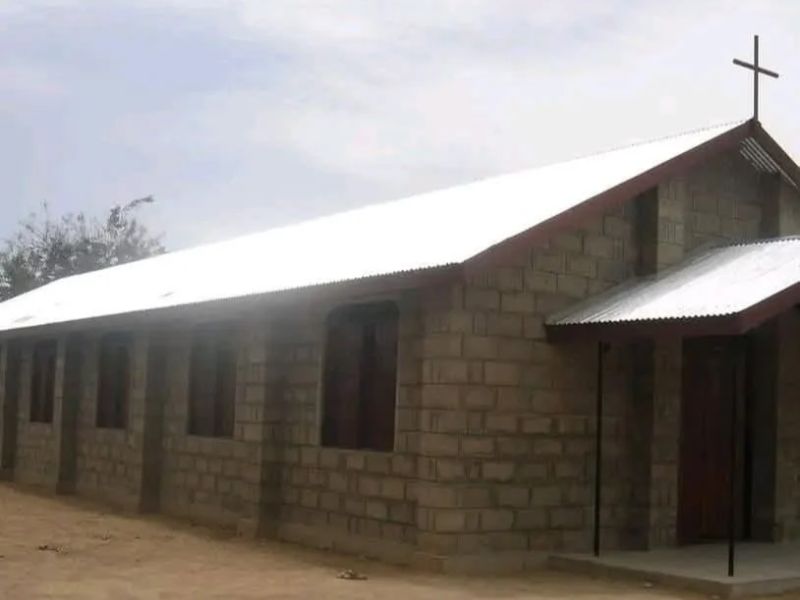
On Oct. 9, armed youth from the Nyang and Pakam communities clashed in and around Rumbek, the capital of South Sudan’s Lakes State. Preliminary government figures reported more than 70 deaths, including four soldiers, though the toll had not been independently verified. Disputes involving cattle, grazing land, and longstanding revenge cycles were cited as underlying causes. Families fled, hospitals treated gunshot victims, and church services were disrupted. Christians were affected by the violence, but available reporting does not show that they were targeted because of their faith.
Watchmen Signals
Biblical Context
More than 70 reported deaths, displacement, fear, and recurring revenge directly engage Scripture’s teaching about the value of human life, the wrongness of violence, and the rejection of personal vengeance. Genesis 4:10 presents Abel’s bloodshed as a matter demanding God’s attention, while Leviticus 19:18 prohibits taking revenge against one’s neighbor. These passages do not identify the particular causes of the Rumbek clashes, but they speak directly to the reported killing and revenge cycle. Jesus identifies peacemaking as a distinctly righteous response in Matthew 5:9, and Romans 12:19-21 instructs believers not to repay evil with evil but to overcome evil with good. Those teachings are especially relevant to the pastors’ calls for reconciliation, although they do not remove the need for lawful protection or accountability. Romans 13:1-4 describes governing authority as responsible for restraining wrongdoing and pursuing justice, which materially relates to expectations that public officials should protect vulnerable communities and respond to violence. The church’s burden of caring for grieving, displaced, and wounded people also connects with Galatians 6:2, which calls believers to bear one another’s burdens. That is a principle for Christian ministry rather than evidence that the violence was religious persecution. The article reports a serious conflict affecting Christians and congregations, but it does not establish a distinctive prophetic fulfillment. The violence is therefore biblically relevant without providing a sound basis for identifying a specific end-times prophecy.
Biblical Sources
Scripture references supporting the biblical context above.
The command to bear one another’s burdens supports the church’s reported role in caring for wounded, grieving, and displaced families.
God responds to Abel’s killing by confronting the reality of bloodshed, supporting the biblical significance of the reported deaths and violence.
The command not to seek personal revenge directly addresses the recurring revenge cycle described among the communities in Lakes State.
Jesus blesses peacemakers, providing a direct connection to calls for reconciliation and an end to communal violence.
Paul rejects retaliation and urges believers to overcome evil with good, a relevant Christian response to cycles of revenge, while not replacing lawful justice.
The passage describes governing authority as responsible for restraining wrongdoing, relating to the need for public protection, security, and accountability after the clashes.
Comments
No comments yet.
Sign in to join the conversation.
Sign InStay Informed. Grow in Biblical Understanding.
Explore important news from around the world through the context of God's Word. Create your FREE Watchmen account to discover more news analysis, Biblical Insights, and Scripture-based perspectives.
Create Your FREE AccountFree to join. No credit card required.