Most frail breast cancer survivors lack Medicare home care
Summary
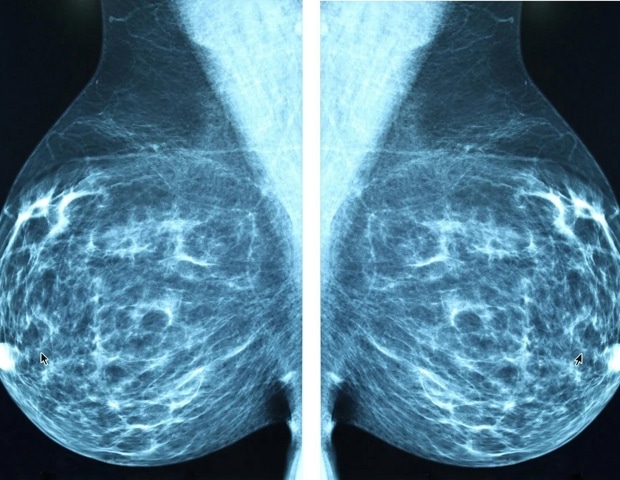
A 2026 study in the Journal of the National Cancer Institute examined 347,953 survivor-years involving 134,410 women aged 66 and older who survived invasive breast cancer. About 7% were classified as highly frail, yet only roughly 40% of that group received Medicare home health care in a given year. Researchers warn that traditional Medicare generally covers personal care only when connected to skilled services and homebound status. The study suggests that many older survivors may lack assistance with daily activities, though it did not measure eligibility or need directly.
Watchmen Signals
Biblical Context
Frailty, disability, aging, and the practical care of vulnerable people are directly relevant to biblical ethics. The reported concern is not that older breast-cancer survivors are unwilling to work or failing in personal responsibility; it is that some people with serious functional limitations may lack assistance with bathing, dressing, walking, or other daily needs. That distinction matters when applying biblical teaching about responsibility and care. Leviticus 19:32 commands respect for older people. It does not prescribe a modern health-insurance system, but it establishes that age and vulnerability should be met with honor rather than neglect. The study’s focus on frail older survivors fits that principle directly. The New Testament also treats care for vulnerable people as a practical obligation. First Timothy 5:3-4 places particular responsibility on families to care for widowed relatives and describes such care as an expression of godliness. The passage does not settle whether government, insurers, families, churches, or other institutions should provide home assistance, but it cautions against treating dependent older people as someone else’s problem. Galatians 6:2 calls believers to bear one another’s burdens, which supports practical assistance when illness and functional limitations exceed what a person can manage alone. James 1:27 similarly identifies care for people in distress as part of pure and undefiled religion. These passages support compassion and concrete help, while leaving open legitimate questions about how such care should be organized and funded. The article does not report a specific biblical event or prophetic development. Its connection to Scripture is ethical and pastoral: a population experiencing aging-related frailty may need attention, protection, and practical support.
Biblical Sources
Scripture references supporting the biblical context above.
Teaches that families should provide practical care for dependent relatives, illuminating the responsibility to support vulnerable older people without prescribing a particular modern policy.
Calls believers to bear one another’s burdens, a relevant principle for assisting people whose illness or frailty limits daily functioning.
Connects faithful religion with caring for people in distress, supporting practical compassion toward frail survivors who lack needed assistance.
Commands respect for older people, supporting concern for the dignity and treatment of the study’s frail older survivors.
Comments
No comments yet.
Sign in to join the conversation.
Sign InStay Informed. Grow in Biblical Understanding.
Explore important news from around the world through the context of God's Word. Create your FREE Watchmen account to discover more news analysis, Biblical Insights, and Scripture-based perspectives.
Create Your FREE AccountFree to join. No credit card required.