China ties suspected in sprawling California pot operations as GOP urges FBI probe
Summary
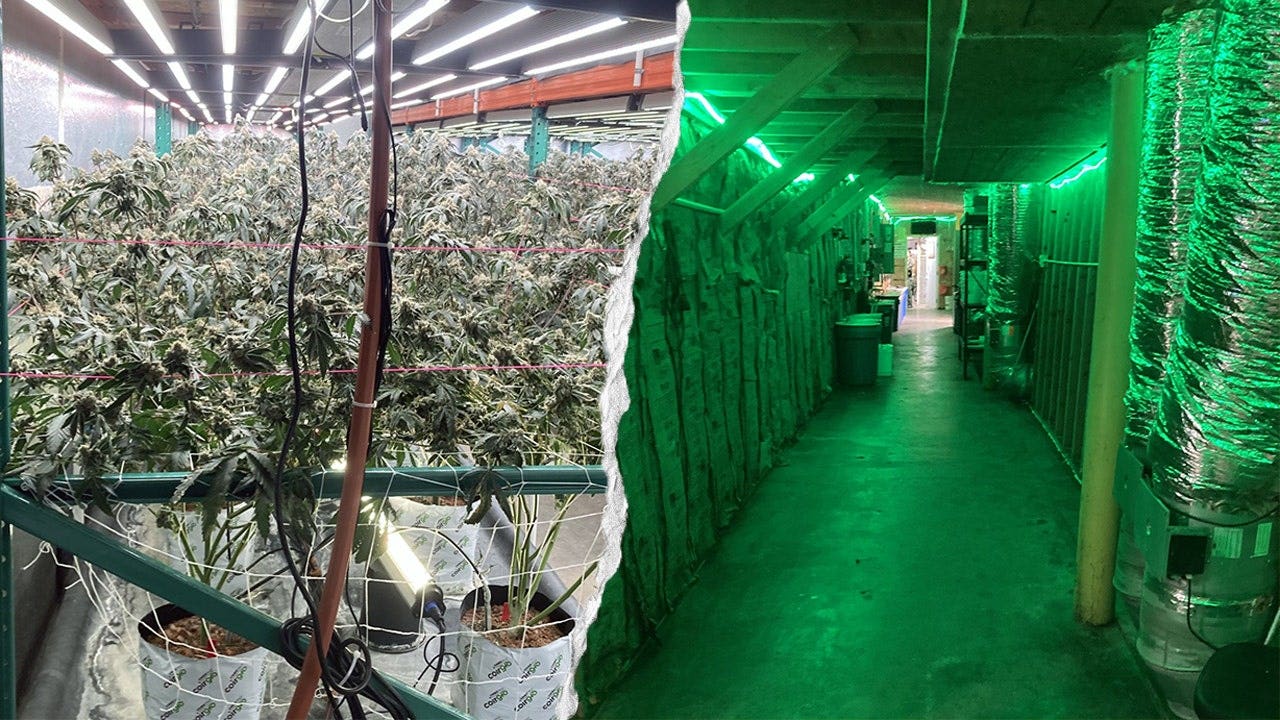
Rep. James Gallagher, R-Calif., asked FBI Director Kash Patel to investigate illegal marijuana cultivation in Northern California after Siskiyou County officials reported extensive grow operations and alleged use of unauthorized labor. Gallagher said the operations are depleting groundwater, threatening ranchers and residents, contaminating agricultural land with toxic pesticides, and expanding onto federal property. He also raised concerns that Chinese organized-crime networks may finance or control some sites. In 2025, county authorities reported destroying 332,871 plants and seizing 54,070 pounds of processed marijuana.
Watchmen Signals
Biblical Context
Illegal cultivation, alleged concealment of ownership, threats to neighbors, environmental damage, and the use of public land bring several concrete biblical principles into view. Romans 13:1-4 describes civil authorities as having responsibility to restrain wrongdoing and protect the public; that principle relates directly to Gallagher’s request for FBI involvement and to local enforcement actions, without implying that every government allegation is automatically proven or just. Genesis 2:15 presents humanity’s task of cultivating and keeping the earth. The reported depletion of groundwater, possible contamination of farmland, and damage to public forestland are therefore relevant to biblical stewardship. This is a principle of responsible care, not a claim that Scripture specifically addresses marijuana cultivation or modern environmental regulation. The apparent use of concealed ownership arrangements and possible outside financing also raises the biblical concern for truthful and just dealings. Proverbs 12:22 commends truthfulness and condemns deceit, while Habakkuk 2:12-13 condemns building through bloodshed and unjust gain and warns that labor spent on wrongdoing ultimately proves empty. These passages offer a moral framework for evaluating alleged concealment, exploitation, and criminal profit; they do not establish that the reported individuals are guilty. The article’s mention of toxic pesticides and risks to residents and first responders further implicates the duty not to harm others. Exodus 21:28-29 shows that biblical law treats preventable danger to others as a serious responsibility, although its specific case concerns an animal and should not be treated as a direct legal ruling on pesticide use. Scripture meaningfully addresses lawlessness, public protection, honesty, stewardship, and accountability, but no particular prophetic passage is identified by these localized criminal and environmental reports.
Biblical Sources
Scripture references supporting the biblical context above.
Shows that creating a preventable danger to others can carry serious responsibility; the connection to pesticide risks is an indirect principle rather than a direct ruling on the reported chemicals.
Assigns humanity the task of working and keeping the garden, providing a biblical stewardship principle relevant to alleged groundwater depletion, pesticide contamination, and damage to public land.
Condemns building through violence and unjust gain and warns of the futility of labor invested in wrongdoing, offering a relevant moral framework for alleged criminal exploitation and profit.
Condemns deceit and commends truthful conduct, which is relevant to allegations that ownership and control arrangements may conceal who finances or directs illegal operations.
Describes civil authorities as responsible for restraining wrongdoing and protecting the public, relating to the request for federal intervention and local enforcement.
Comments
No comments yet.
Sign in to join the conversation.
Sign InStay Informed. Grow in Biblical Understanding.
Explore important news from around the world through the context of God's Word. Create your FREE Watchmen account to discover more news analysis, Biblical Insights, and Scripture-based perspectives.
Create Your FREE AccountFree to join. No credit card required.