Democrats Demand Tougher Standards for Companies Running Medicaid Systems
Summary
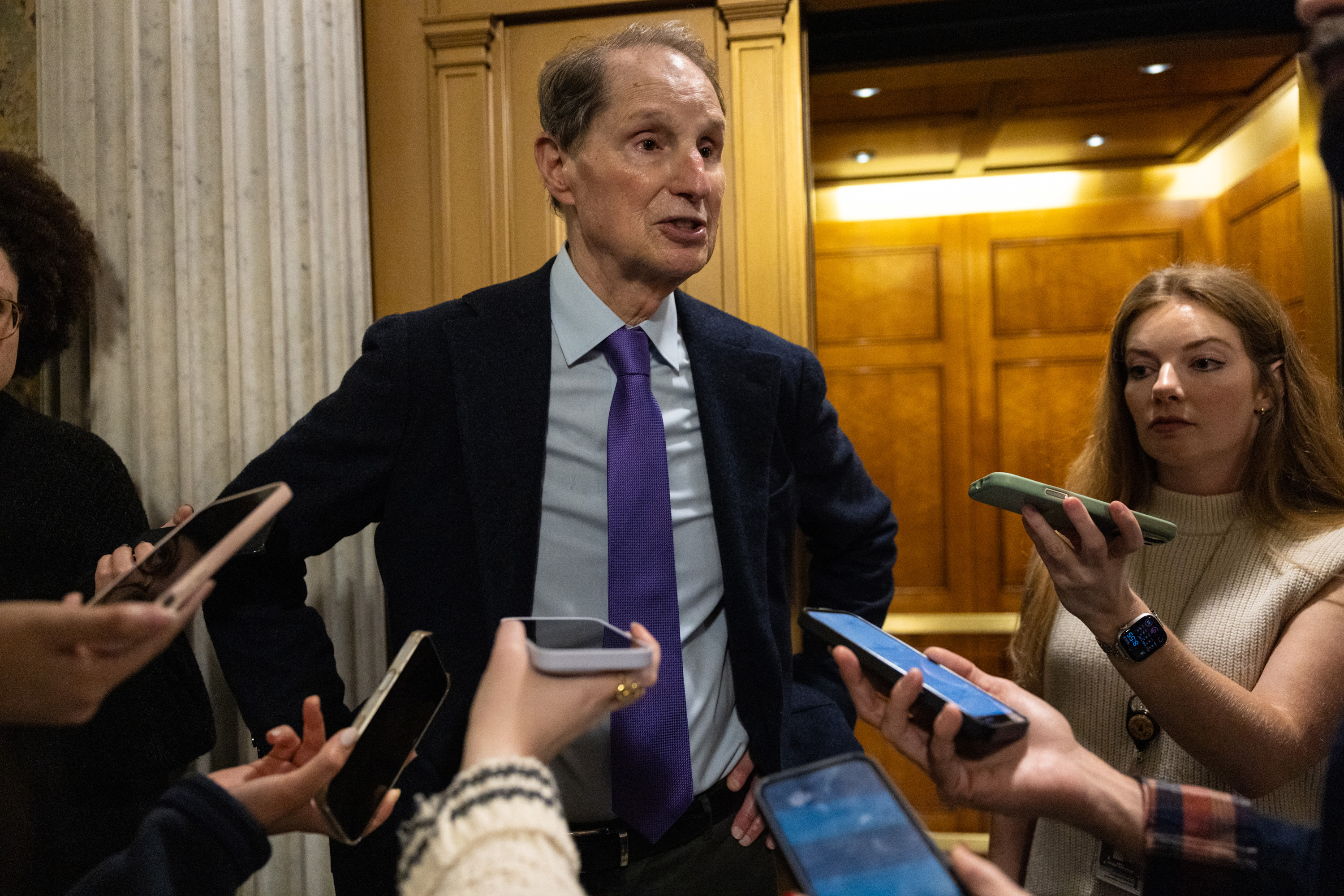
Three Democratic senators are urging the Centers for Medicare & Medicaid Services to impose tougher standards on contractors that build and operate Medicaid eligibility systems. Their recommendations follow reports of errors, costly repairs, and improper coverage terminations affecting low-income and disabled enrollees. The concern is heightened by new Medicaid rules requiring millions of adults in more than 40 states to document work or qualifying activities beginning next year. The senators want greater contract transparency, performance disclosure, and contractor accountability, though Republican control makes immediate action uncertain.
Watchmen Signals
Biblical Context
Access to Medicaid is not itself prescribed by Scripture, and the Bible does not settle whether a particular health-benefit program or work requirement is the best policy. Scripture does, however, speak directly to the treatment of poor, disabled, and otherwise vulnerable people, as well as to the moral responsibilities of those administering public authority. The reported possibility that eligible people could lose medical coverage because of malfunctioning systems raises the biblical concern of whether vulnerable people are being treated justly. Proverbs 31:8-9 calls rulers and others with authority to speak for those unable to speak for themselves and to defend the rights of the poor and needy. Isaiah 1:17 likewise commands the pursuit of justice and the defense of the oppressed. These passages do not prescribe a specific administrative structure, but they materially support careful protection of people who may be unable to navigate complex systems or afford care without assistance. James 2:1-6 warns against showing partiality to the poor and describes the mistreatment of economically vulnerable people as morally serious. A faulty eligibility portal or opaque contractor process is not automatically proof of partiality, fraud, or intentional oppression. Nevertheless, when administrative complexity predictably places the greatest burden on people with limited resources, disabilities, or serious illnesses, the passage provides a relevant standard for examining the system’s practical effects. The proposed work requirements should also be assessed carefully. Scripture commends responsible labor, but passages about work must distinguish unwillingness to work from inability to work. Second Thessalonians 3:10-12 addresses people who were able but unwilling to work and were living disorderly lives; it does not condemn people who are disabled, seriously ill, or otherwise unable to meet a work standard. The article reports that exemptions are available, but it also raises concerns about the burden of documenting those exemptions. That makes accurate, accessible administration important, without proving that every work requirement is biblically impermissible. Romans 13:1-4 presents governing authority as accountable for pursuing what is good and restraining wrongdoing. It does not specifically require government to provide health insurance, but it supports examining whether agencies and publicly funded contractors exercise authority responsibly and whether oversight mechanisms are adequate. In this case, the senators’ requests for transparency, performance reporting, and accountability are consistent with that broader principle, although Scripture does not determine the precise contract standards or funding consequences. No specific biblical prophecy is meaningfully identified here. Medicaid-system failures, contractor disputes, and work requirements may raise serious questions of justice and stewardship, but they do not correspond to a distinctive prophetic passage or establish prophetic fulfillment.
Biblical Sources
Scripture references supporting the biblical context above.
Paul addresses people who were able but unwilling to work, making this passage relevant to work requirements while also underscoring the need not to confuse unwillingness with disability, illness, or inability to work.
Isaiah commands the pursuit of justice and defense of the oppressed, which is relevant to evaluating whether complex eligibility systems and contractor failures disadvantage people needing essential medical coverage.
James condemns partiality and the dishonoring of poor people. The passage does not specifically address Medicaid, but it provides a material biblical standard for considering whether administrative systems place disproportionate burdens on economically vulnerable people.
The passage calls those with authority to speak for people who cannot speak for themselves and to defend the rights of the poor and needy, supporting concern for vulnerable Medicaid enrollees facing administrative barriers or wrongful loss of coverage.
The passage describes governing authority as accountable for pursuing good and restraining wrongdoing. It offers a broader framework for evaluating government oversight and contractor accountability, without prescribing a specific welfare program.
Comments
No comments yet.
Sign in to join the conversation.
Sign InStay Informed. Grow in Biblical Understanding.
Explore important news from around the world through the context of God's Word. Create your FREE Watchmen account to discover more news analysis, Biblical Insights, and Scripture-based perspectives.
Create Your FREE AccountFree to join. No credit card required.