Lack of primary care increases early breast cancer death risk
Summary
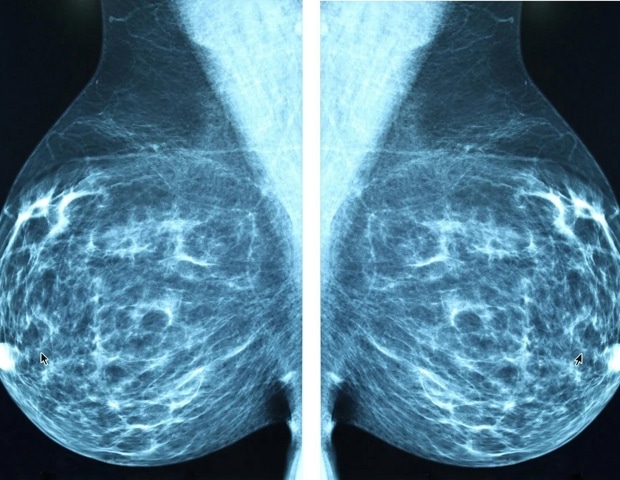
An Ontario study of 4,004 people diagnosed with de novo metastatic breast cancer between 2010 and 2019 found that 23% died within six months of diagnosis. Older age, chronic illness, housing and income marginalization, and rural residence were associated with early death. Patients connected to a family physician had 26% lower odds of dying early and were more likely to have received recent mammography. Researchers say limited primary-care access may delay diagnosis, treatment, symptom management, and supportive care, especially for marginalized and rural communities.
Watchmen Signals
Biblical Context
The reported disparities raise a meaningful biblical concern about justice and the treatment of vulnerable people. Proverbs 31:8–9 calls those with influence to speak for people whose needs may otherwise be overlooked and to defend the rights of the poor and needy. Applied carefully, the passage supports concern for marginalized patients who face unequal access to diagnosis and treatment; it does not prescribe a specific Canadian healthcare policy. Psalm 82:3–4 likewise urges the protection of the weak and needy and the rescue of the vulnerable from oppression. The study does not allege intentional oppression or corruption, so the connection is principled rather than a direct description of the healthcare system. It does, however, illuminate why preventable barriers affecting rural and economically marginalized patients deserve serious attention. Jesus’ teaching in Matthew 25:35–40 gives practical importance to compassionate care for people in distress. Cancer patients who need diagnosis, treatment support, symptom control, and palliative care are not merely statistics; caring for those facing serious illness is consistent with the neighbor-love and mercy emphasized in the passage. James 2:1–9 warns against partiality toward the poor and identifies impartial treatment as part of obedience to the law of love. This does not prove that every disparity results from discrimination, but it provides a relevant moral framework for examining whether social position and access to resources are influencing outcomes. The article distinguishes people unable to obtain timely care from people unwilling to work or accept responsibility. Scripture’s warnings about idleness, such as 2 Thessalonians 3:10–12, therefore do not directly apply to the cancer patients described here. Nor does the study establish a specific prophetic development. It reports an observational public-health finding about cancer mortality and healthcare access, not the fulfillment of a biblical prediction.
Biblical Sources
Scripture references supporting the biblical context above.
Condemns partiality based on social status and emphasizes love of neighbor. This is relevant to evaluating whether marginalized and economically disadvantaged people receive equitable access to cancer care, while not proving that the reported disparities were caused by deliberate discrimination.
Jesus commends practical mercy toward people in need, including those who are sick. The passage supports compassionate attention to patients requiring diagnosis, treatment support, symptom management, and palliative care.
Calls for speaking up for those who cannot adequately speak for themselves and defending the rights of the poor and needy. This supports concern for marginalized patients facing barriers to cancer prevention and care.
Urges the protection and rescue of the weak, fatherless, afflicted, and needy. The passage provides a justice-oriented principle relevant to unequal healthcare access, though it does not specifically address modern medical systems.
Comments
No comments yet.
Sign in to join the conversation.
Sign In