Iran Backed Houthis Kill 53 in Missile Attack on Yemeni Military Camp
Summary
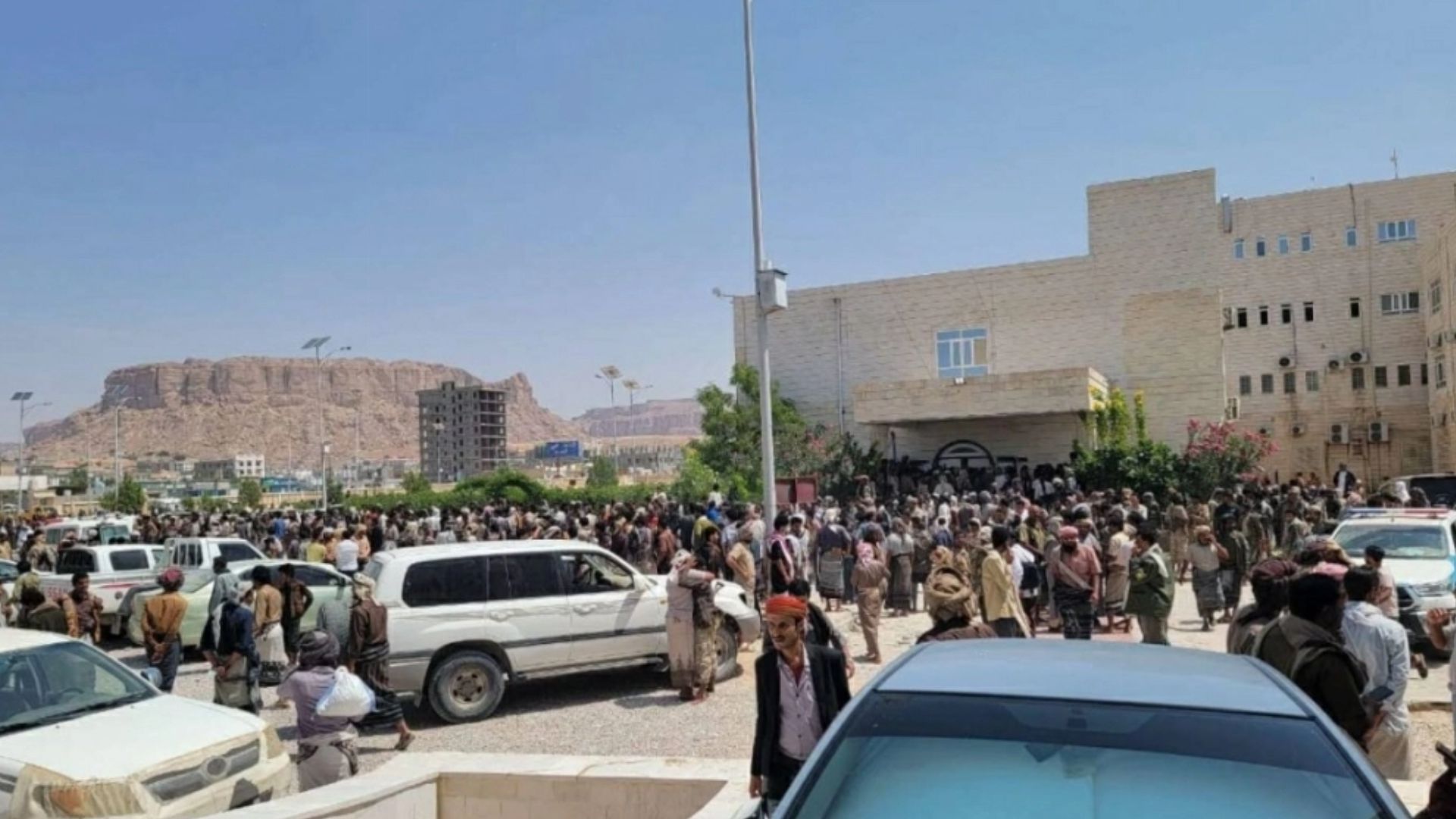
On Monday, October 19, Houthi forces allegedly killed 53 people and wounded 200 when three ballistic missiles struck a government security-forces training camp in Yemen’s Shabwa province, according to local authorities and sources cited by Reuters. The attack occurred during a training exercise as fighting intensified between the Houthis and Yemen’s internationally recognized government, which is backed by a Saudi-led coalition. Government forces are seeking territory near the strategic Bab el-Mandeb Strait, while Houthi attacks on Saudi airports and oil infrastructure have also increased.
Watchmen Signals
Biblical Context
The killing and wounding of large numbers of people in a missile strike directly engage Scripture’s concern for the sanctity of human life. Genesis 9:6 grounds the prohibition of wrongful killing in humanity’s creation in God’s image; it does not identify this particular conflict or settle every question surrounding wartime force, but it underscores the moral seriousness of an attack that reportedly struck personnel during a training exercise. James 4:1-2 offers a broader explanation of how conflicts arise from human desires and disputes. Its immediate context addresses quarrels within the believing community, so applying it to the Houthi-government war is thematic rather than a direct diagnosis of every political cause. It nevertheless warns against treating armed conflict as morally neutral or disconnected from human passions and competing aims. Romans 13:1-4 describes civil authority as having a responsibility to restrain wrongdoing and pursue justice. The passage does not automatically endorse every government action, and the article does not provide enough information to evaluate the conduct of Yemen’s government, the Houthis, or the Saudi-led coalition. It is relevant because the struggle involves rival claims to authority and the use of force by organized political actors. These passages support a meaningful biblical connection to the reported violence, warfare, casualties, and conduct of rulers. They do not identify the Shabwa attack as a fulfillment of a particular prophecy. The facts supplied are consistent with general biblical warnings about violence and conflict among nations, but they lack the distinctive elements needed for a specific prophetic identification.
Biblical Sources
Scripture references supporting the biblical context above.
Human life is treated as sacred because humanity is made in God’s image. The principle is materially relevant to the reported mass killing, while not functioning as a prophecy about this attack.
James connects quarrels and conflicts with human desires and disputes. The immediate context is interpersonal conflict among believers, so its application to the Yemen war is a broader moral parallel rather than a complete explanation of the geopolitical conflict.
Paul describes governing authority as responsible for restraining wrongdoing and administering justice. This relates to the article’s competing authorities and organized use of force, without validating every action by any party.
Comments
No comments yet.
Sign in to join the conversation.
Sign In