Strait of Hormuz scoured for spilt cargo after Iran attacks container ships
Summary
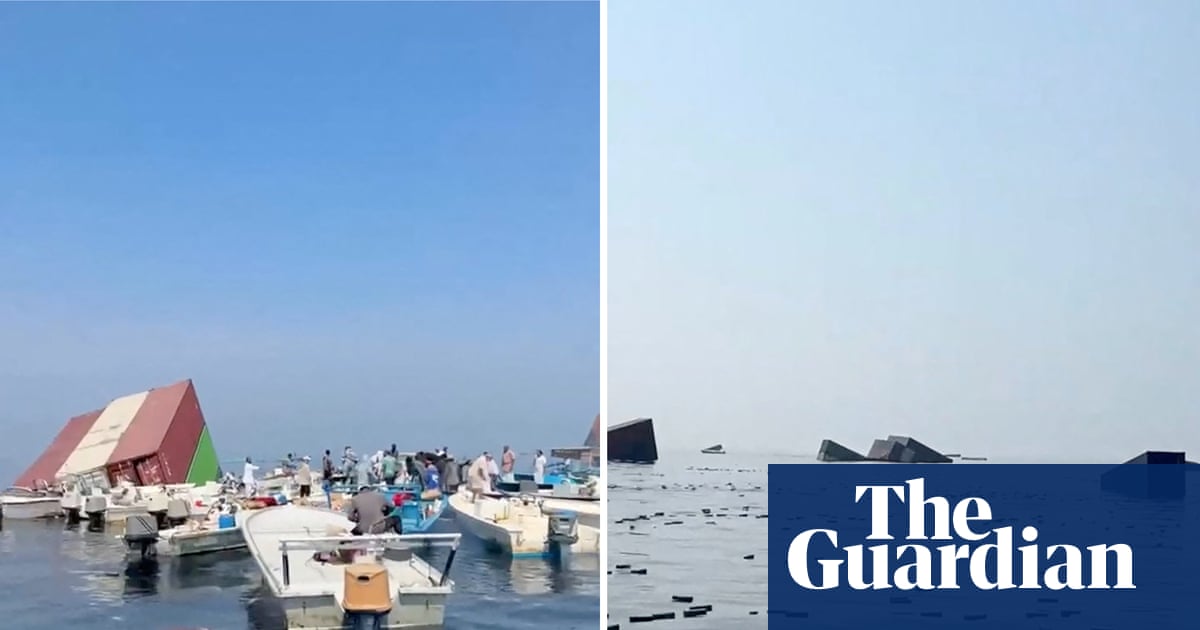
Iranian forces reportedly attacked at least 15 commercial vessels in or near the Strait of Hormuz over 10 days, using mines, drones, rockets, and shelling. One container ship sank off Oman, although its 21-person crew survived, while oil-tanker attacks pushed Brent crude near $108 per barrel. Vessel traffic fell about 70% below pre-conflict levels. Floating cargo attracted fishers amid false AI-generated images of valuable goods. The attacks also raised concerns about oil pollution, marine damage, nuclear negotiations, and possible wider regional escalation involving Israel, Russia, China, and the United States.
Watchmen Signals
Biblical Context
The attacks, threats against commercial shipping, and competing claims of authority connect meaningfully with Scripture’s treatment of rulers, violence, property, and responsibility for the created world. Romans 13:1-4 presents civil authority as accountable for restraining wrongdoing and pursuing public order. That principle is relevant to the IRGC’s exercise of force and its claim to control passage through the strait, but it does not automatically validate every action taken by a government or armed organization. Authority is described in relation to justice, not simply power. The reported seizure or possible pillage of floating cargo relates directly to the prohibition against theft in Exodus 20:15. The fact that goods are abandoned or exposed after an attack does not, by itself, erase ownership. Because the account of fishers cutting open containers comes from a quoted local source and is not independently verified in the supplied text, the biblical connection concerns the alleged conduct rather than a confirmed finding. James 4:1-2 identifies human conflict, violence, and covetous desire as recurring sources of disorder. This is a broad moral parallel to attacks that endanger crews, disrupt trade, and potentially provoke wider conflict; it does not identify the Strait of Hormuz or establish a prophetic timetable. Genesis 1:28 assigns humanity a responsibility to exercise stewardship over the earth, while Genesis 2:15 describes cultivating and keeping the garden. These passages do not provide a technical environmental policy, but they support concern about avoidable damage to marine habitats, fisheries, and other parts of creation through oil spills, toxic debris, and destructive warfare. The article’s environmental claims remain partly predictive and require further measurement. The report therefore has a meaningful biblical connection through real conditions Scripture addresses—violence among nations, the use and accountability of authority, possible theft, and harm to creation. It does not, however, contain the distinctive elements needed to connect these specific attacks to a particular biblical prophecy.
Biblical Sources
Scripture references supporting the biblical context above.
Prohibits theft and is directly relevant to the reported allegation that people opened and removed goods from containers lost at sea.
Places humanity in a position of responsibility toward the created world. It supports careful concern about marine pollution and ecological damage caused by warfare, while not prescribing a modern environmental policy.
Describes humanity’s task as cultivating and keeping creation. The stewardship principle is relevant to reported risks involving oil, chemical leakage, debris, marine habitats, and fisheries.
Connects conflicts and violence with disordered human desires. This supports a broad moral analysis of attacks that endanger crews and intensify regional instability, but it is not a specific prediction about this event.
Describes governing authority as responsible for public order and the punishment of wrongdoing. It provides a framework for assessing the IRGC’s asserted control over maritime passage without equating coercive power with just authority.
Comments
No comments yet.
Sign in to join the conversation.
Sign In