U.S. Issues Security Alert Over Threat of Iranian Attacks on Americans Worldwide
Summary
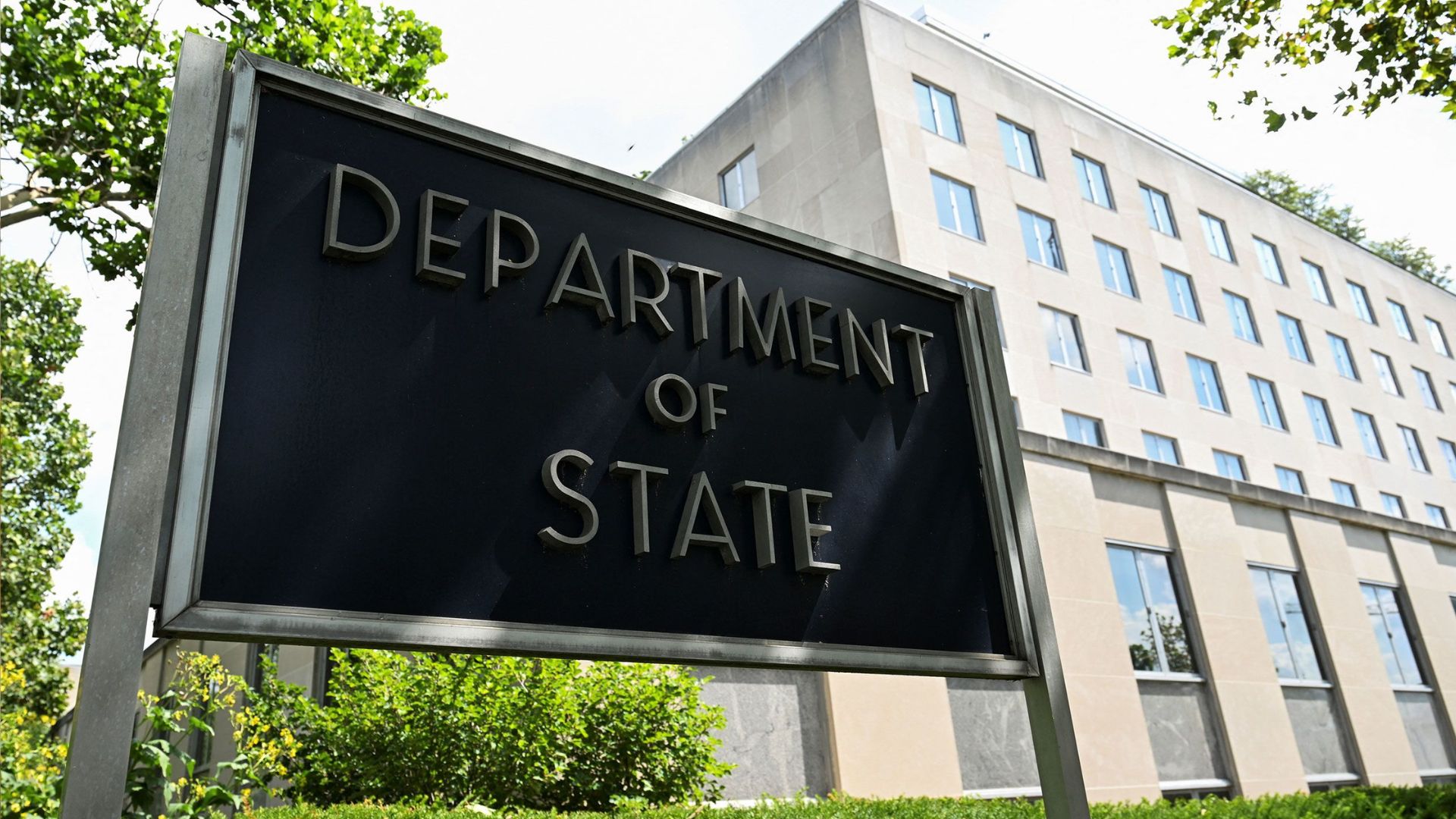
The U.S. State Department has warned Americans that Iran and affiliated proxy groups may target U.S. interests worldwide as Middle East tensions intensify. Security alerts urged heightened vigilance and contingency planning, warning of possible flight cancellations, airspace closures, and other travel disruptions. The alerts specifically cited Houthi attacks on civilian airports and critical infrastructure in Saudi Arabia that officials said caused civilian casualties. Washington also warned that hostilities could spread rapidly beyond the immediate conflict zone.
Watchmen Signals
Biblical Context
Attacks on civilian airports and critical infrastructure, reported civilian deaths, and warnings that regional hostilities could spread connect meaningfully with Scripture's treatment of violence, public authority, human protection, and prudence. Psalm 82:3–4 calls those with responsibility to defend the weak and rescue the vulnerable; that principle bears directly on the reported danger to civilians, although the passage is not a prediction about this conflict. Romans 13:1–4 describes governmental authority as having a responsibility to restrain wrongdoing and protect the public, which helps illuminate the State Department's warning and the broader security duties of governments. Proverbs 22:3 commends prudent action in response to foreseeable danger, providing a limited connection to the travel advisories and contingency planning. James 4:1–2 identifies human conflict as arising from disordered desires; it offers moral insight into the roots of violence, but it does not identify the actors or explain the geopolitical causes reported here. These passages support a biblical concern with war, civilian protection, responsible authority, and prudent conduct. They do not establish that a specific prophecy is being fulfilled.
Biblical Sources
Scripture references supporting the biblical context above.
James describes conflict as arising from destructive desires among people, providing general moral context for violence without explaining this particular geopolitical crisis.
The proverb commends recognizing danger and taking prudent precautions, a limited but relevant parallel to travel warnings and contingency planning.
The passage urges those exercising authority to defend the weak and vulnerable, which relates to the reported civilian casualties and threats to civilian infrastructure.
Paul presents governing authorities as responsible for restraining wrongdoing and serving a protective public function, relevant to government security warnings and responses to violent threats.
Comments
No comments yet.
Sign in to join the conversation.
Sign In