Top tourist destination in the world shuts down amid violent protests
Summary
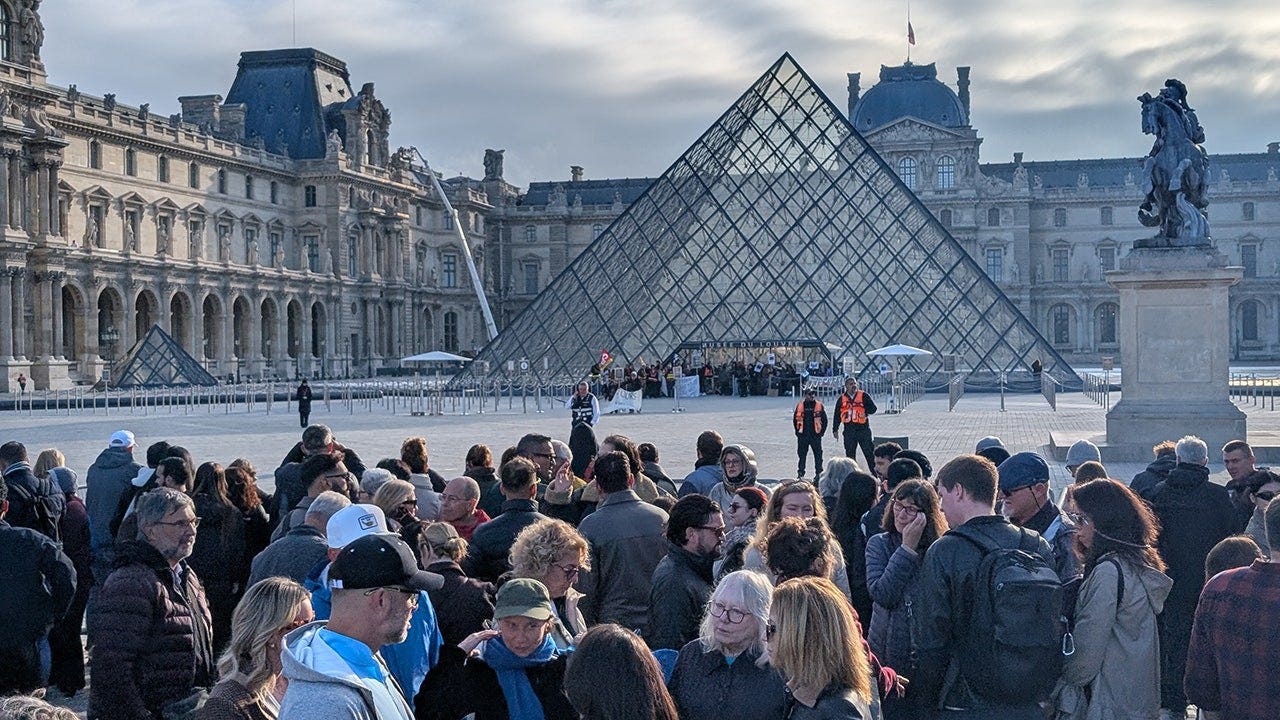
The Louvre closed after students from the École du Louvre barricaded several entrances during nationwide protests over rising living costs, police actions, and other grievances. The disruption followed a weekend of violent clashes that reportedly damaged hundreds of businesses and produced nearly 2,400 arrests across France. The Eiffel Tower also closed for a day because of a staff strike, while Versailles faced a power-related closure. The report describes broader disruption to Parisian tourism, cultural institutions, transportation, and public order, although some details and dates require verification.
Watchmen Signals
Biblical Context
Violent clashes, damaged businesses, mass arrests, and disorder in public spaces raise questions Scripture addresses about lawlessness, justice, and the responsibilities of civil authorities. Jesus warned that as lawlessness increases, love can grow cold (Matthew 24:12). That passage describes a broad moral condition rather than identifying every episode of unrest as a prophetic fulfillment; the reported protests do not provide enough evidence for that conclusion. Romans 13:1–4 presents governing authorities as having a legitimate responsibility to restrain wrongdoing and pursue public order. Applied cautiously, the passage is relevant to the reported police actions, arrests, protection of businesses, and the state’s duty to safeguard public access. It does not automatically validate every governmental response, nor does the supplied account establish whether particular police actions were justified. The destruction or disruption of businesses also implicates the biblical concern for justice and protection from oppression. The prohibition against stealing and the command not to covet another person’s property (Exodus 20:15, 17) support respect for private property, while Proverbs 29:7 emphasizes concern for the rights of the vulnerable. These principles do not settle the protesters’ grievances about housing costs or living expenses, but they distinguish legitimate concerns from violence, vandalism, and coercive disruption. No specific prophetic event is established here. The demonstrations and institutional closures reflect general social disorder, but the supplied facts do not correspond distinctly enough to a particular biblical prophecy to justify more than a general biblical comparison.
Biblical Sources
Scripture references supporting the biblical context above.
The command not to steal supports respect for businesses and property affected by the reported riots and vandalism.
The prohibition against coveting reinforces the biblical protection of others’ property and helps distinguish legitimate economic grievances from unlawful seizure or destruction.
Jesus describes increasing lawlessness and the resulting cooling of love. The verse provides a broad moral comparison to the reported violence and disorder, but it does not identify this episode as prophetic fulfillment.
The proverb emphasizes the righteous person’s concern for the rights of the poor, providing relevant context for protests over living costs without endorsing violence or coercion.
Paul describes the legitimate role of governing authorities in maintaining order and restraining wrongdoing. This relates to the reported police actions, arrests, protection of businesses, and public safety responsibilities.
Comments
No comments yet.
Sign in to join the conversation.
Sign In