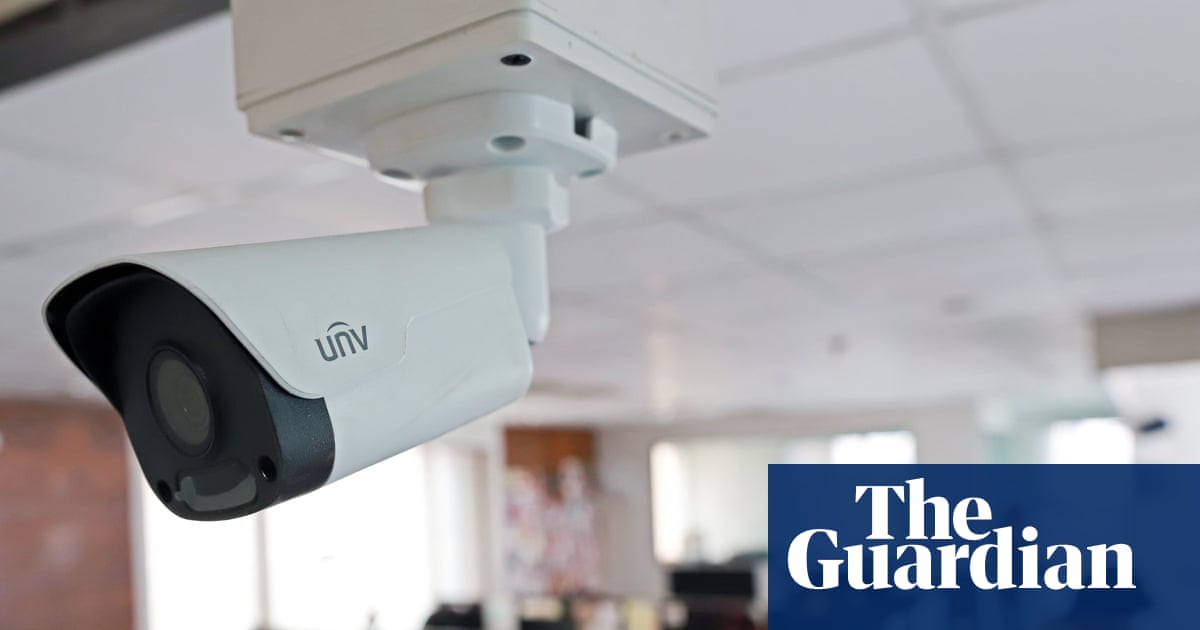
Calls to strengthen workplace privacy in Australia as employers turn to AI to track staff
Summary
An Australian technology institute warns that employers are expanding workplace surveillance through CCTV, keystroke tracking, location data, messaging platforms, and AI systems. Reported examples include cameras used to monitor fast-food employees and an AI system that contributed to a supermarket cashier receiving a warning after an alleged 0.18% error rate. Researchers say employees are often unaware of monitoring, while unions and advocates are seeking stronger privacy protections, fairness requirements, employee consultation, and limits on high-risk tools such as covert smart glasses.
Watchmen Signals
Biblical Context
Workplace surveillance raises a biblical question about how people exercise authority over those who labor under them. James condemns employers who withhold wages from workers and describes the injustice as heard by God (James 5:4). The passage directly addresses exploitation and accountability in employment, although it does not specifically discuss digital monitoring. If automated systems produce disproportionate discipline, conceal relevant information, or make it difficult for workers to challenge decisions, those practices could conflict with the passage’s concern for just treatment. Colossians 4:1 commands masters to provide their servants with what is right and fair, grounding that duty in the fact that they also have a Master in heaven. In the modern employment context, this supports the principle that managerial authority is not unlimited. Monitoring tools should therefore be judged not only by whether they increase productivity, but also by whether their use is fair, proportionate, transparent, and respectful of workers’ legitimate interests. This is a principled application rather than a direct statement about surveillance technology. Ephesians 6:9 similarly warns those who hold authority against threatening or unjust treatment and reminds them that God shows no partiality. The reported use of opaque AI scoring and possible covert monitoring is relevant because workers may have little practical power to understand or contest decisions made about them. Scripture does not require the elimination of workplace oversight, but it does place moral limits on authority and rejects treating people as merely instruments of production. The article also concerns human dignity and privacy. Human beings are made in the image of God (Genesis 1:26-27), which provides a broader theological basis for resisting practices that treat workers as data points without regard for their dignity. That connection is indirect: Genesis does not establish a modern legal right to workplace privacy, but it supports the principle that people must not be reduced to measurable outputs or subjected casually to intrusive control. Nothing reported here corresponds to a specific biblical prophecy. The surveillance is presently described as a workplace practice within Australia, not as a universal authority imposing worship or restricting buying and selling. Technological expansion may be worth watching, but the facts supplied do not justify treating this development as fulfillment of Revelation 13 or another particular prophetic passage.
Biblical Sources
Scripture references supporting the biblical context above.
The command to provide what is right and fair to those under one’s authority supports evaluating workplace monitoring according to fairness, proportionality, and responsible use of managerial power.
Paul instructs those with authority not to threaten or mistreat those under them and emphasizes God’s impartial judgment. This relates to opaque or coercive systems that can affect workers’ treatment and employment.
The teaching that human beings are made in God’s image provides a broader foundation for treating workers as persons of inherent dignity rather than merely as measurable outputs. The connection to workplace privacy is theological and indirect.
James condemns the withholding of workers’ wages and presents employer injustice as accountable before God. It materially supports concern about unfair or exploitative treatment of employees, though it does not specifically address surveillance technology.
Comments
No comments yet.
Sign in to join the conversation.
Sign In