US lawmakers sound alarm as violence grips NATO ally Albania amid anti-government protests
Summary
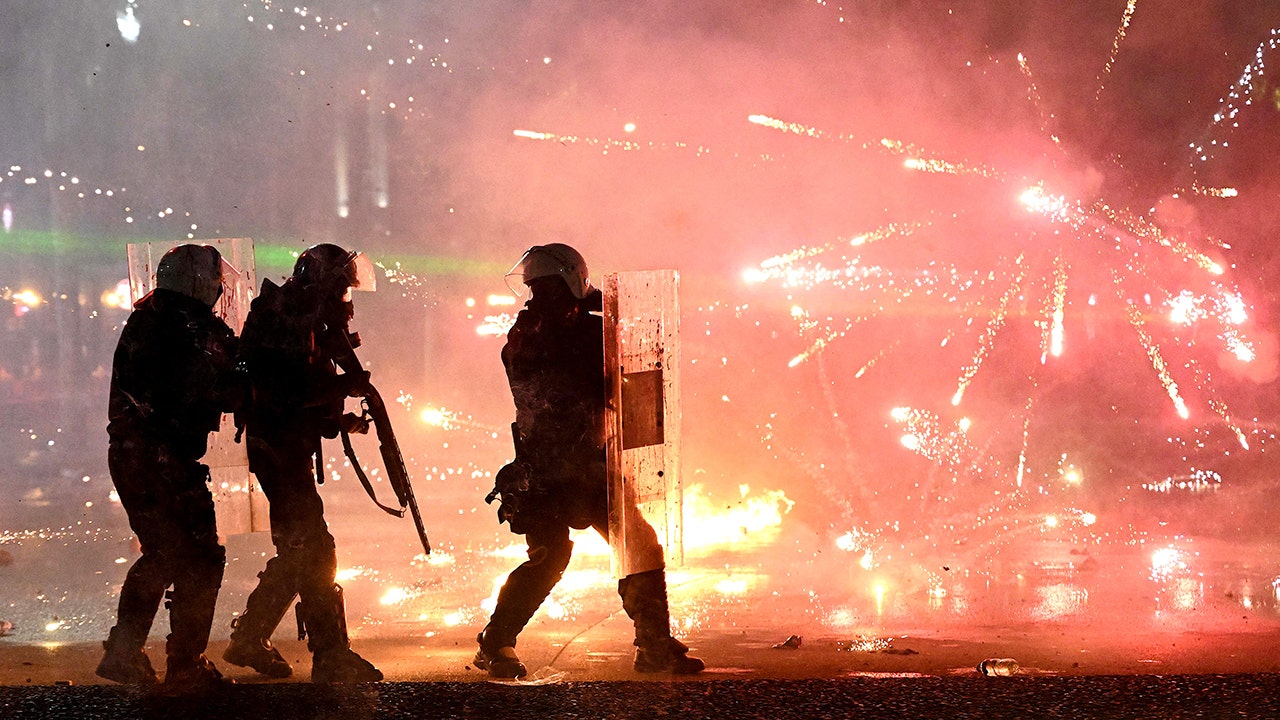
Violent anti-government protests continued for a sixth day in Tirana and other Albanian cities, involving students and citizens demanding action on alleged corruption, poor university conditions, unemployment, and declining opportunity. Police reported 388 criminal charges, while injuries were reported among protesters and officers. Demonstrators have allegedly attacked police, burned government buildings, and damaged public and private property; authorities responded with rubber bullets, water cannons, and tear gas. U.S. lawmakers and European officials urged restraint, lawful policing, and peaceful dialogue as the unrest threatens Albania’s EU-membership prospects.
Watchmen Signals
Biblical Context
The central biblical issues are governmental justice, accountability for corruption, lawful authority, protection from oppression, and the moral limits of protest. Isaiah condemns rulers who enact unjust policies and deprive vulnerable people of justice (Isaiah 10:1-2). That passage does not validate every allegation against Albania’s government, but it provides a direct biblical standard against which reported corruption, institutional failure, and abuse of authority should be evaluated. Proverbs 29:4 connects just government with national stability and warns that corruption undermines a nation. This meaningfully relates to the reported claims that corruption and disregard for the rule of law have fueled public distrust. The passage supports concern about corrupt governance without proving that the protesters’ accusations are true. Romans 13:1-4 describes civil authority as having a legitimate role in restraining wrongdoing and promoting public order. It therefore bears on the government’s responsibility to protect people and institutions. It does not grant officials unlimited discretion: the article’s allegations of excessive force must be assessed against the requirement that authority serve the public good rather than merely preserve political power. First Peter 2:13-17 likewise calls for respect for lawful authority while placing that respect within a broader command to do good and honor others; it does not require approval of corruption or unlawful conduct. The protesters’ conduct raises a separate biblical concern. Burning buildings, attacking police, and destroying public or private property cannot be justified simply because the underlying grievances may be serious. The commands against stealing and coveting in Exodus 20:15, 17, together with the New Testament call to reject destructive anger and pursue constructive conduct (Ephesians 4:25-32), support condemning such acts. These passages do not specifically address modern demonstrations, so the application is principled rather than a direct prediction or endorsement of a particular political response. No specific biblical prophecy is identified by the reported events. Civil unrest, allegations of corruption, and conflict between protesters and authorities are recurring features of human societies and do not, on the facts supplied, establish fulfillment of a particular prophetic passage.
Biblical Sources
Scripture references supporting the biblical context above.
Calls Christians to respect governing authority and do good, providing a balanced framework for lawful conduct without endorsing corruption or unlawful repression.
Urges truthfulness, controlled anger, honest conduct, and the rejection of destructive behavior, offering a relevant moral standard for protesters and authorities alike.
Prohibits theft and covetousness, principles relevant to reported destruction of private property and other unlawful acts during the demonstrations.
Condemns rulers who make unjust laws and deprive the vulnerable of justice; it directly informs evaluation of alleged corruption and abuse of governmental authority.
Connects just rule with national stability and warns that corrupt leadership damages a nation, relating to reported distrust of Albania’s government.
Describes the legitimate civil role of restraining wrongdoing and promoting public order while presenting authority as accountable to God for its proper purpose.
Comments
No comments yet.
Sign in to join the conversation.
Sign In