GOP Focuses on Fraud, Seeking To Redirect Voters’ Ire Over Healthcare Costs
Summary
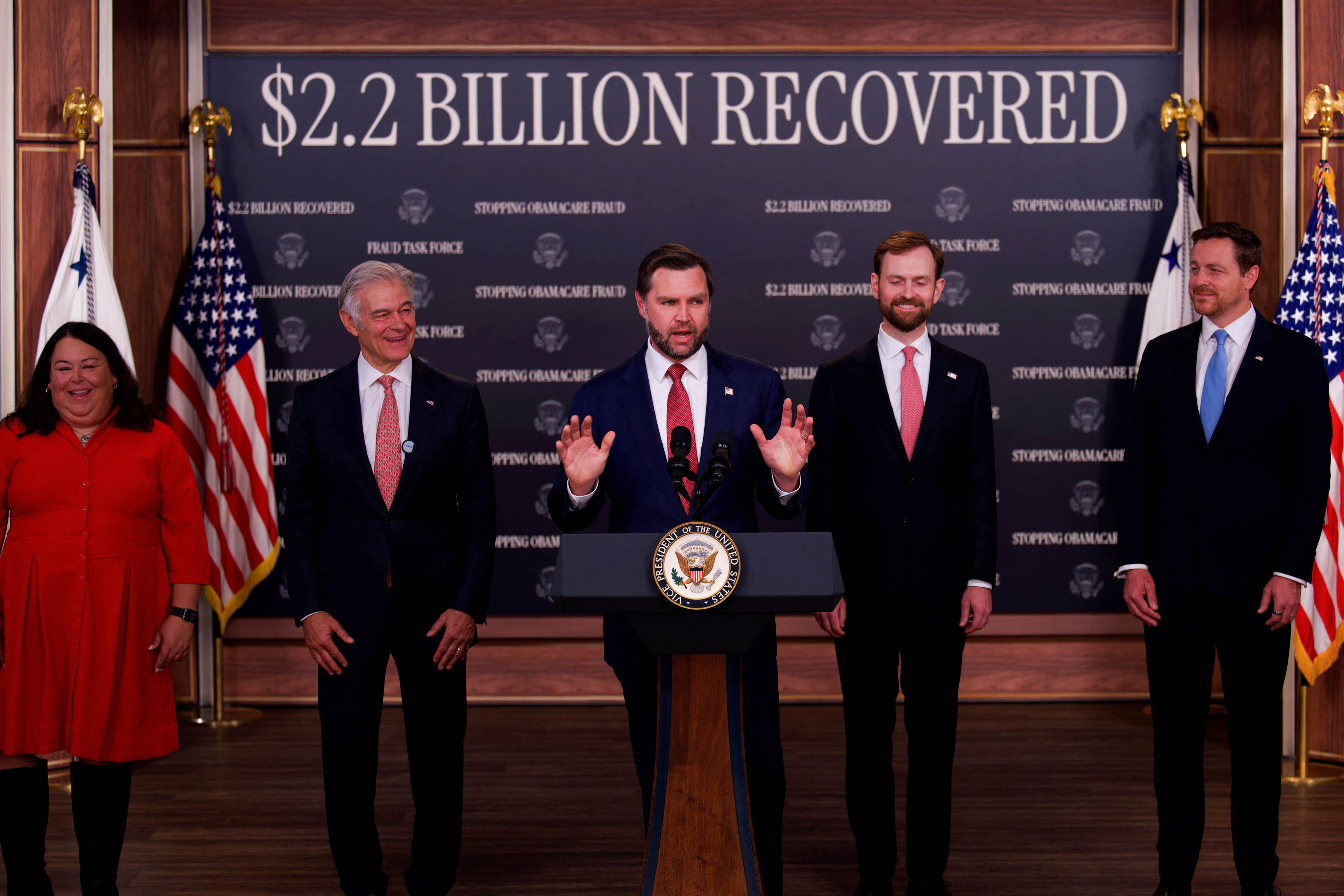
The Trump administration has made alleged fraud in Medicaid, Medicare, and Affordable Care Act coverage a central political issue before the midterm elections. Federal officials have canceled ACA coverage for about 760,000 people and deferred or withheld billions of dollars in Medicaid funding from states including New York, California, and Minnesota. Republicans say the actions protect taxpayers, while Democrats argue that evidence is insufficient and that the campaign masks broader healthcare cuts. Analysts warn that legitimate patients could lose coverage, while projected policy changes could leave 16 million more people uninsured by 2034.
Watchmen Signals
Biblical Context
The reported allegations of fraudulent billing and improper enrollment raise a clear biblical concern about truthful evidence and impartial judgment. Exodus 23:1-8 warns against spreading false reports, joining with the wicked as a witness, and perverting justice through partiality or bribery. Applied carefully, the passage does not determine whether the administration, the states, or particular providers are correct; it underscores the duty to establish claims accurately and judge fairly before withholding funds or imposing penalties. The treatment of people who may lose healthcare also engages Scripture’s concern for vulnerable people. Proverbs 31:8-9 calls rulers and others with authority to speak for those who cannot adequately speak for themselves and to defend the rights of the poor and needy. James 2:1-6 condemns favoritism toward the wealthy and warns against dishonoring the poor. These passages do not prescribe Medicaid, the ACA, or a particular American healthcare policy, and they do not equate every recipient of public assistance with the poor in the biblical sense. They do, however, support careful attention to whether anti-fraud enforcement and funding changes unjustly burden people who are genuinely unable to secure necessary care. The article also involves stewardship of public resources. Preventing fraudulent claims is consistent with the broader biblical expectation that entrusted resources should not be squandered, while withholding legitimate assistance or using unverified accusations would conflict with biblical demands for justice and truthful judgment. Scripture therefore supports accountability for actual wrongdoing and compassion toward people in genuine need; it does not settle the partisan dispute over the proper size of government healthcare programs. No specific biblical prophecy is identified by these events. Political conflict, disputed funding, fraud allegations, and hardship are general conditions and do not correspond to a distinctive prophetic passage or establish prophetic fulfillment.
Biblical Sources
Scripture references supporting the biblical context above.
The passage prohibits false reports, warns against corrupt or partial judgment, and requires fairness in legal disputes. It is relevant to disputed fraud allegations, investigations, and decisions to suspend public funds.
James condemns favoritism and the dishonoring of poor people. The passage provides a principle for evaluating whether healthcare enforcement and funding decisions impose unequal burdens on disadvantaged people, without prescribing a particular government program.
These verses call for defending the rights of people who are vulnerable or unable to advocate for themselves. They relate to whether healthcare actions protect or harm eligible people who depend on coverage.
Comments
No comments yet.
Sign in to join the conversation.
Sign In