Booker rival who ‘shoots from the hip’ hopes viral debate moment can break GOP’s Senate drought
Summary
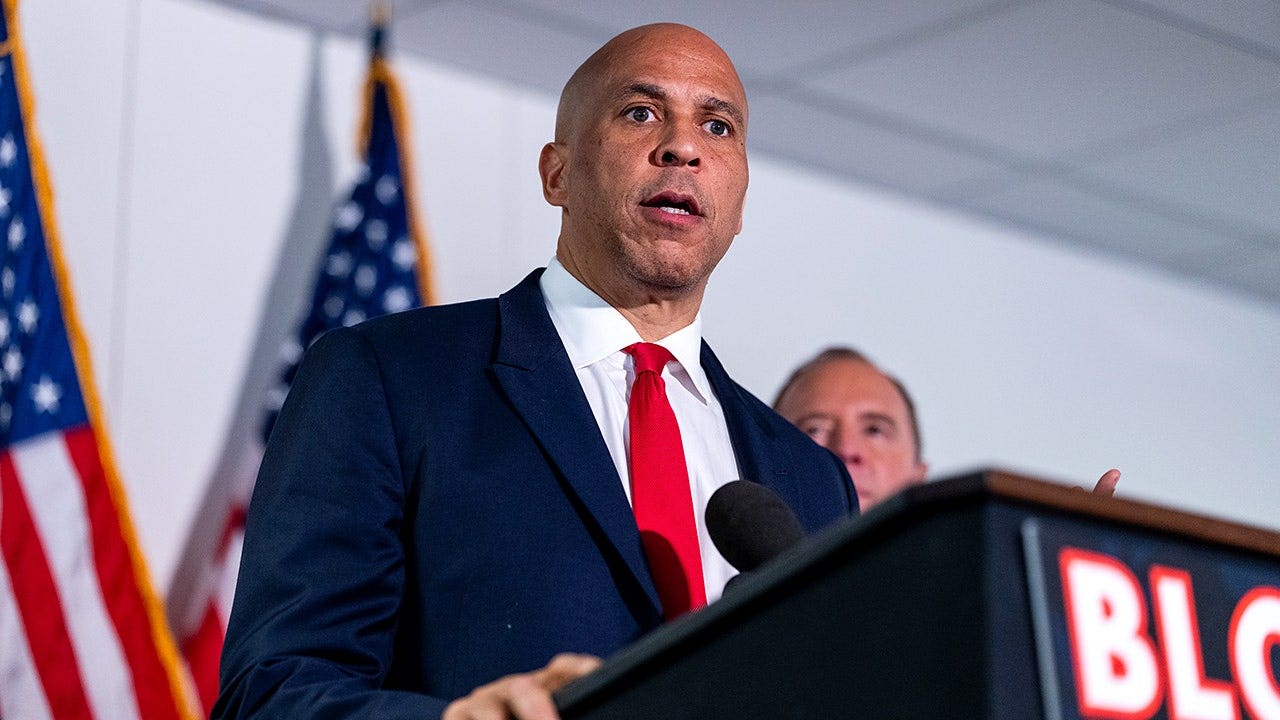
Republican Senate candidate Justin Murphy said his unscripted debate response calling for President Donald Trump to “finish” the Iran conflict could help him challenge Democratic Sen. Cory Booker and end New Jersey’s Republican Senate drought, which dates to Clifford Case’s 1972 election. Murphy defended the position as a long-term national-security strategy despite concerns about gasoline prices. He also criticized Booker’s record, called for increased domestic energy production, questioned New Jersey’s election-roll integrity, and opposed the state’s immigration-enforcement posture.
Watchmen Signals
Biblical Context
The campaign’s focus on national leadership, war policy, public responsibility, election administration, and immigration enforcement falls within subjects Scripture addresses through principles of government, justice, truthfulness, and protection of people under authority. Romans 13:1-4 describes governing authorities as accountable to God for restraining wrongdoing and pursuing public order; it supports examining both a president’s military decisions and a senator’s responsibility for laws and budgets, but it does not endorse any particular party or war strategy. Murphy’s call for a decisive conclusion to the Iran conflict can be considered alongside Luke 14:31-32, where Jesus uses a king’s decision about war to emphasize sober assessment of strength and consequences. The passage is not a policy formula, and the article supplies too little information to evaluate whether the proposed approach meets that standard. Scripture also recognizes the seriousness of violence and the need for justice: Psalm 82:3-4 calls those with authority to defend the weak and rescue the vulnerable, while Micah 6:8 joins justice, mercy, and humble conduct. These principles are relevant to evaluating military action, domestic security, and immigration enforcement, though they do not settle the disputed policy questions reported here. Claims about election rolls and public officials should be assessed against Scripture’s repeated demand for truthful testimony and impartial judgment. Exodus 23:1-3 warns against spreading a false report and against distorting justice because of political alignment. That principle applies to allegations of unlawful voting and to claims made in response, without establishing whether Murphy’s allegations are accurate. The article’s emphasis on government accountability also fits 1 Peter 2:13-17, which calls for respect toward governing institutions while requiring honorable conduct and recognition of God’s higher authority. No specific prophetic passage is identified by the reported campaign debate, Iran policy, or references to the Strait of Hormuz; the subjects create a general political and military comparison, not evidence of prophetic fulfillment.
Biblical Sources
Scripture references supporting the biblical context above.
Addresses conduct toward governing authorities while placing all human authority under God, relating to the article’s emphasis on governmental responsibility and political accountability.
Warns against spreading false reports and distorting justice through group pressure or political preference, directly relevant to competing claims about voter rolls and election integrity.
Jesus’ illustration of a king considering war underscores the need to assess strength, consequences, and the possibility of peace before military action; it provides a cautious framework for evaluating Murphy’s call to finish the Iran conflict.
Requires justice, mercy, and humility before God, providing a relevant standard for evaluating political leadership, national-security decisions, and treatment of people affected by government policy.
Calls rulers to defend the weak and vulnerable, a principle relevant to judging the human consequences of military decisions, public security, and immigration enforcement.
Explains the governing authority’s responsibility to restrain wrongdoing and serve public order, relating to the article’s discussion of presidential war policy, legislative responsibility, and civil government.
Comments
No comments yet.
Sign in to join the conversation.
Sign In