Viewpoint: Selective pronatalism: The radical “ethical” case challenging parents’ right to end a pregnancy when a fetus has a severe genetic disorder
Summary
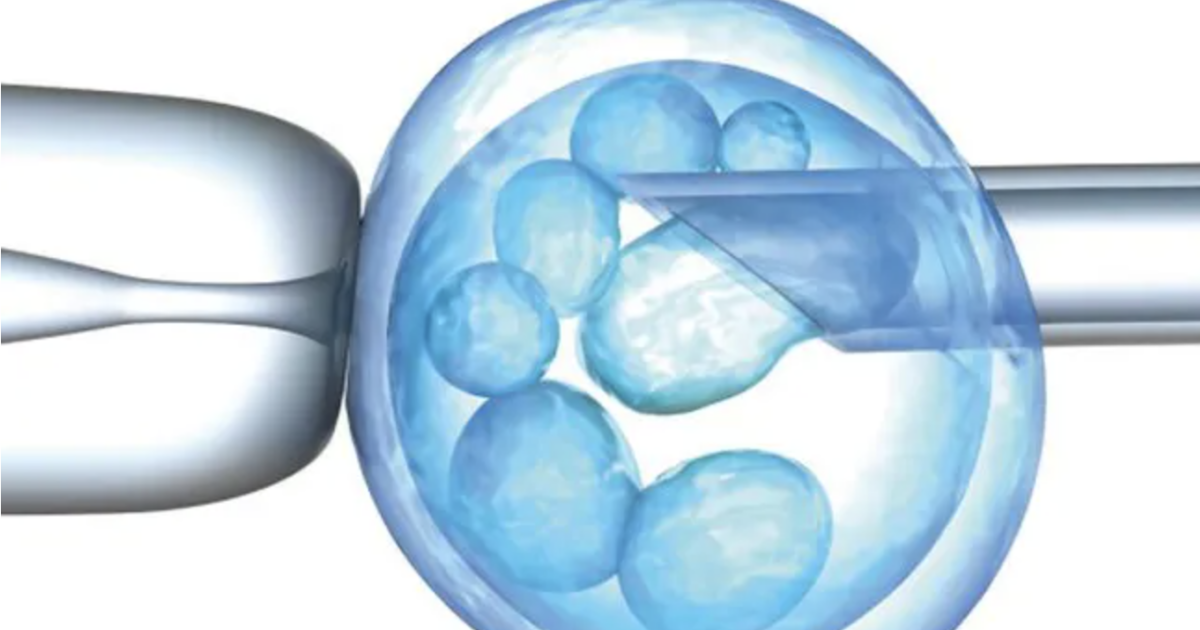
Researchers Gaia Ghirardi, Arno Van Hootegem and K. Paige Harden argue in Nature Human Behaviour that commercializing polygenic embryo testing (PGT-P) could cause social harm even if the technology’s predictions were accurate. PGT-P ranks IVF embryos using scores based on many genetic variants. The authors warn that it could encourage “selective pronatalism,” commodify reproduction, increase stigma and parental pressure, and widen reproductive inequality. The commentary also raises broader questions about prenatal testing and parents’ decisions after severe genetic diagnoses.
Watchmen Signals
Biblical Context
Choosing embryos according to predicted traits raises questions about whether human worth is being measured by health, ability, or social desirability. Genesis 1:27 grounds human dignity in being made in God’s image rather than in genetic advantage. That principle is relevant to concerns that commercial embryo ranking could stigmatize people with disabilities or encourage parents to view some possible children as more worthy than others. Psalm 139:13-16 describes God’s involvement in forming a person in the womb and treats prenatal life as known and significant before birth. It does not address IVF, embryo testing, or the legal status of an embryo directly, but it supports taking decisions about developing human life seriously rather than treating embryos as morally insignificant commodities. The command against murder in Exodus 20:13 establishes the protection of innocent human life as a serious biblical obligation. Applying that command specifically to embryo selection or abortion requires theological and ethical interpretation beyond the verse itself; Scripture does not provide a technical rule for PGT-P. Nevertheless, it helps explain why selecting among embryos, terminating pregnancies after diagnoses, and assigning value according to predicted traits can carry moral significance. These passages support concern for human dignity, prenatal life, and protection from discriminatory valuation. They do not prove the researchers’ predictions about commercialization, settle every question about reproductive decision-making, or identify PGT-P as a fulfillment of prophecy. No specific prophetic passage is meaningfully established by the facts supplied here.
Biblical Sources
Scripture references supporting the biblical context above.
The prohibition of murder expresses the protection of innocent human life as a serious moral principle; applying it to embryo selection or abortion requires additional theological reasoning not supplied by the verse alone.
Human beings are described as made in God's image, providing a basis for evaluating concerns that embryo selection could rank people by perceived genetic desirability.
The psalm speaks of God's forming and knowing a person in the womb, supporting the significance of prenatal human life while not directly resolving questions about IVF or PGT-P.
Comments
No comments yet.
Sign in to join the conversation.
Sign In