Viewpoint: Latest attack on renewable energy and farmers, new USDA rules could put solar grants out of reach for small producers
Summary
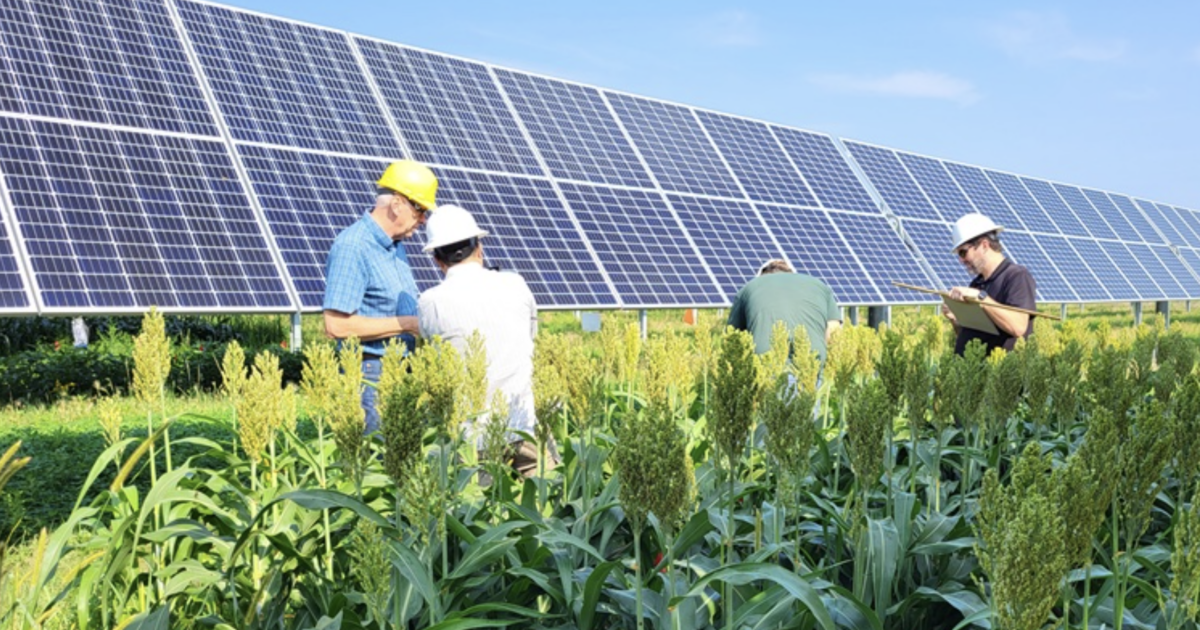
Beginning October 16, 2026, USDA applicants for the Rural Energy for America Program will reportedly have to complete solar or energy-efficiency projects, document a full year of savings, and only then seek assistance. The former system could provide grants covering up to half of project costs in advance. Critics, including the National Sustainable Agriculture Coalition, say the change will disadvantage smaller and newer farms. USDA says the policy prioritizes verified energy production and savings, amid concerns about solar development on farmland.
Watchmen Signals
Biblical Context
Public assistance for agricultural improvements raises questions about justice, stewardship, and the responsibilities of governing authorities, but Scripture does not address REAP or federal renewable-energy subsidies specifically. Proverbs 31:8-9 calls those with authority to speak and judge fairly on behalf of people who lack power. That principle is relevant to whether a funding structure unintentionally excludes smaller farms with limited capital, though it does not prescribe a particular subsidy design. Romans 13:1-4 recognizes civil authority as having a legitimate role in maintaining order and pursuing the public good. In this setting, USDA’s stated effort to verify actual energy production and savings can be viewed as an accountability concern. The passage does not mean every government policy is automatically just, nor does it settle whether the new rule is wise or equitable. James 5:4 condemns the withholding of wages owed to laborers and therefore speaks directly to economic injustice involving people’s legitimate earnings. Its connection here is indirect: the farmers in the report are not described as employees denied wages, but the passage reinforces Scripture’s concern that economically vulnerable people not be disadvantaged through unjust arrangements. The article supplies no basis for treating the policy as prophetic fulfillment. Its subject is an ordinary dispute over agricultural financing, public administration, and energy policy.
Biblical Sources
Scripture references supporting the biblical context above.
James condemns economic wrongdoing against laborers whose rightful compensation is withheld. The connection to REAP is indirect, but it supports the broader biblical concern that economic arrangements not exploit or unfairly burden people with fewer resources.
The passage urges those with authority to speak for people who cannot adequately represent themselves and to judge fairly. It supports careful consideration of whether a financing rule burdens smaller farmers with limited resources.
Paul describes governing authorities as possessing a legitimate public role and accountability before God. This materially informs the question of how USDA should administer public funds, while not endorsing every individual policy.
Comments
No comments yet.
Sign in to join the conversation.
Sign In