Strait of Hormuz crisis traps 6,000 sailors as attacks on ships mount, UN maritime chief says
Summary
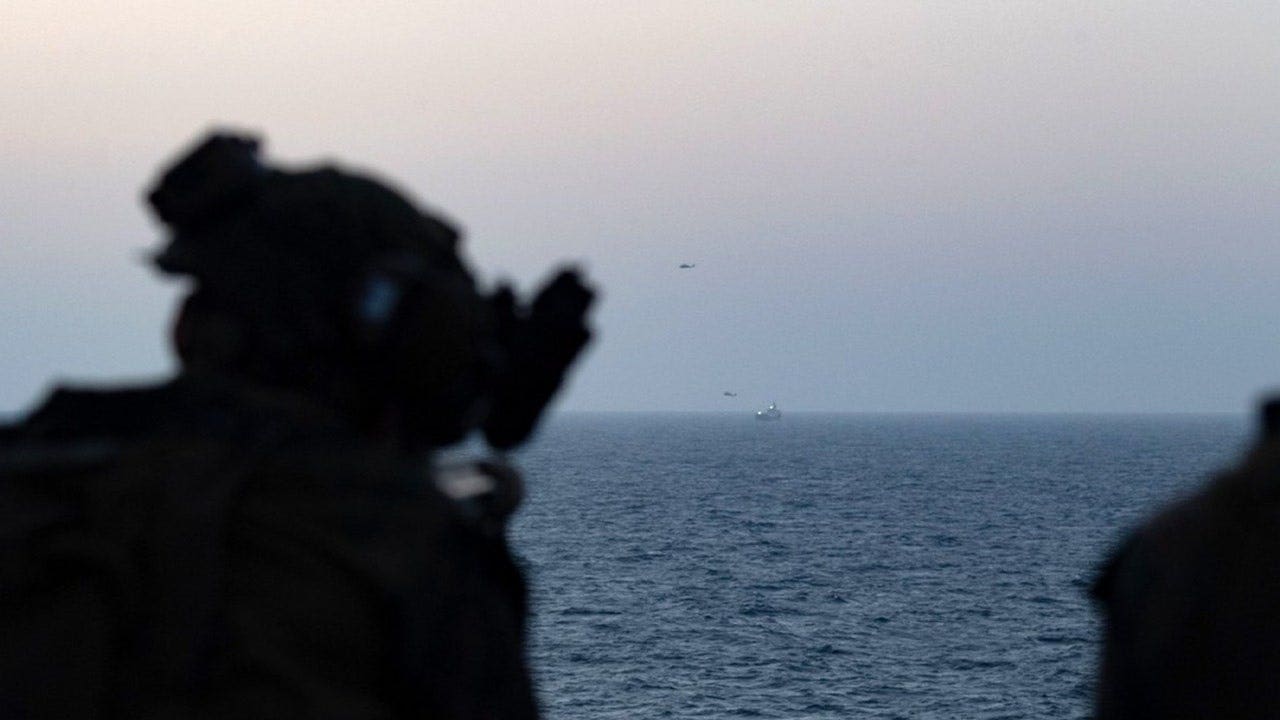
Thousands of seafarers remain stranded near the Strait of Hormuz as attacks on commercial shipping intensify. The International Maritime Organization says about 24 ships were attacked over roughly two weeks, 100 maritime incidents were recorded regionally, and 24 seafarers have died since the conflict began on February 28. Iran alleges that U.S. forces used the international VHF Channel 16 distress frequency to threaten civilian crews; CENTCOM denies wrongdoing and says blockade warnings are professional. The allegations remain independently unverified, while the IMO considers possible safeguards.
Watchmen Signals
Biblical Context
The reported deaths of seafarers, attacks on commercial vessels, and danger facing civilian crews relate directly to Scripture's concern for the protection of human life. Genesis 9:6 grounds the seriousness of unlawful killing in the value of human beings made in God's image; it does not provide a specific rule for modern naval blockades, but it supports treating each civilian death as morally significant. Proverbs 24:11-12 calls people to rescue those being led toward danger and rejects indifference to threatened lives. That principle bears on the responsibility of states, shipowners, and international institutions to protect crews rather than expose them unnecessarily to attack. The conduct of governing authorities is also relevant. Romans 13:1-4 describes civil authority as having a role in restraining wrongdoing and pursuing the good, while warning that authority is accountable to a moral purpose rather than being a license for arbitrary violence. Applied cautiously, the passage illuminates the dispute over blockade enforcement and alleged intimidation: a government may claim security responsibilities, but military actions and communications toward civilian mariners should be evaluated against the protection of the innocent and the restraint of wrongdoing. Scripture does not settle the factual dispute over Channel 16, determine whether the blockade is lawful, or endorse either side's account. These passages establish ethical principles concerning life, protection of the vulnerable, and governmental responsibility. They do not identify the Strait of Hormuz crisis as a fulfillment of prophecy. The reported conflict resembles the broad realities of war and international instability found throughout Scripture, but no specific prophetic text is sufficiently connected to these facts to support a prophetic conclusion.
Biblical Sources
Scripture references supporting the biblical context above.
Human life is treated as uniquely valuable because people are made in God's image. This supports the moral seriousness of the reported deaths of civilian seafarers, without prescribing a specific response to a modern naval blockade.
The passage calls for rescuing people who are being led into danger and rejects claiming ignorance of their plight. It meaningfully relates to efforts to protect stranded and threatened maritime crews.
Paul presents governing authorities as responsible for restraining wrongdoing and serving a legitimate public good. This provides a cautious framework for considering the claimed purposes and conduct of military blockade enforcement, while not resolving the factual or legal dispute.
Comments
No comments yet.
Sign in to join the conversation.
Sign In