The one lesson every parent should teach their child after the Bend school shooting
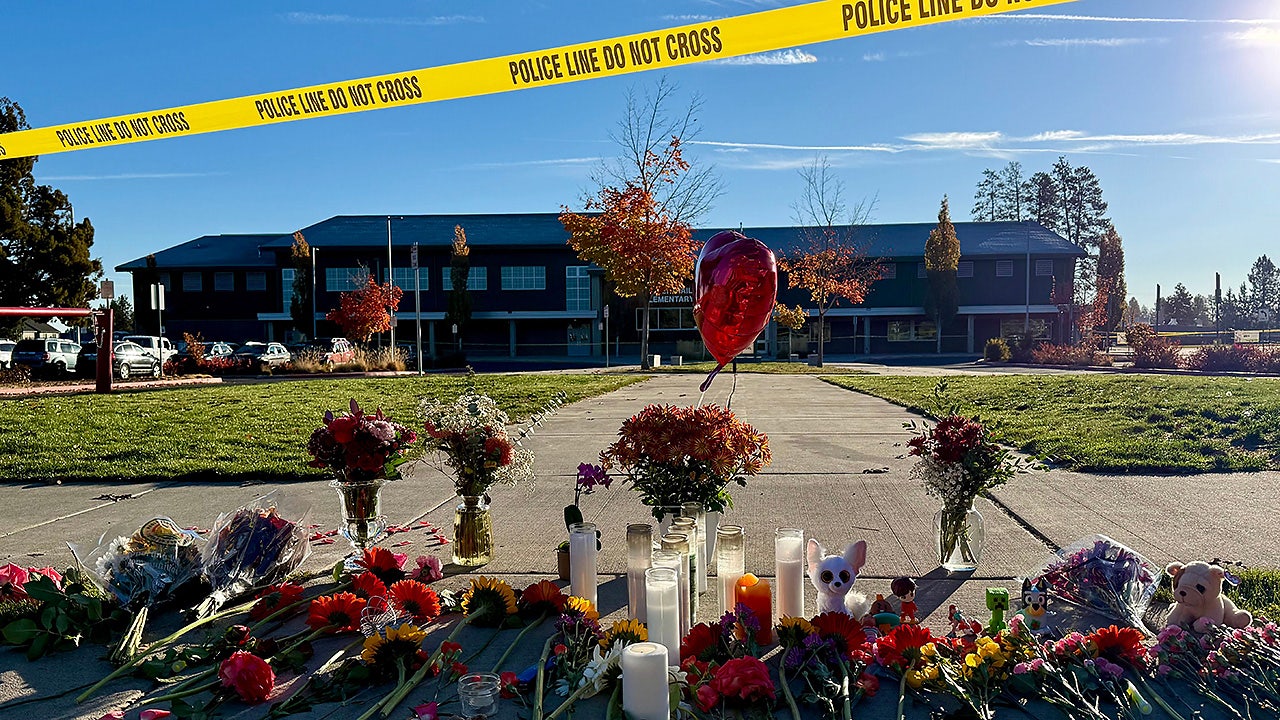
Summary
A Fox News opinion essay mourns four people—three children and a teacher—killed in an Oct. 15 shooting at Silver Rail Elementary School in Bend, Oregon. It says 7-year-old Saylor was critically injured and that a 16-year-old was suspected in the attack before being fatally shot by an armed bystander. The author cautions that no evidence currently links bullying to this shooting, while arguing that persistent bullying, failures to protect victims, silence by bystanders, and inadequate reporting systems deserve broader community attention.
Watchmen Signals
Biblical Context
The deaths of children and a teacher, the reported shooting of a critically injured child, and the wider concern about cruelty toward vulnerable students fall directly within Scripture’s treatment of murder, violence, justice, and protection of the defenseless. Genesis 9:6 treats human life as possessing distinctive value and condemns murder. The command to rescue those being led toward danger in Proverbs 24:11-12 provides a particularly relevant principle for adults and bystanders who become aware of serious harm, although applying it to modern school reporting is an application rather than the passage’s original setting. The author’s criticism of leaving targeted children to endure abuse also connects with biblical commands to defend the weak and speak for those who cannot adequately protect themselves. Psalm 82:3-4 and Proverbs 31:8-9 address justice for the weak and voiceless, while James 1:27 emphasizes practical care for vulnerable people. These passages support responsible protection and compassionate action; they do not prescribe a specific modern school policy or establish that bullying caused this shooting. The call for safe, nonviolent intervention is consistent with Jesus’ command to love one’s neighbor and with Paul’s instruction to bear one another’s burdens. Matthew 5:39 should not be used to require a child to passively endure persistent abuse: in context, Jesus addresses personal retaliation and the renunciation of vengeance, not a command to leave the vulnerable unprotected. Accordingly, “turn the other cheek” does not negate duties of prudent protection, reporting, and seeking help. None of these passages identifies the Oregon shooting as fulfillment of a specific prophecy; the event reflects serious violence and moral disorder but does not provide a sufficiently distinctive prophetic correspondence.
Biblical Sources
Scripture references supporting the biblical context above.
Paul’s instruction to bear one another’s burdens supports the article’s call for adults and bystanders to share responsibility for children facing persistent abuse.
The passage grounds the seriousness of murder in the value of human life made in God’s image, directly relating to the reported killing of children and a teacher.
James describes genuine religion partly through practical care for vulnerable people, providing a New Testament basis for compassionate protection of children suffering cruelty.
The Good Samaritan teaches active neighbor-love toward a person in distress rather than detached concern, paralleling the call to comfort and assist children harmed by bullying.
Jesus addresses personal retaliation and nonvengeful conduct. In relation to the article, this passage cautions against revenge but does not require passivity toward ongoing abuse or prevent prudent protective action.
These verses call for rescuing people facing danger and rejecting indifference, supporting the essay’s emphasis on reporting abuse and intervening responsibly when children are at risk.
These verses urge people to speak for those who cannot speak adequately for themselves and to judge justly, supporting trustworthy reporting and advocacy for targeted students.
The psalm commands the defense of the weak, fatherless, afflicted, and needy, which materially relates to protecting bullied and vulnerable children.
Comments
No comments yet.
Sign in to join the conversation.
Sign In