Trump tries different approach with Russia to bring Americans relief amid ongoing war with Ukraine
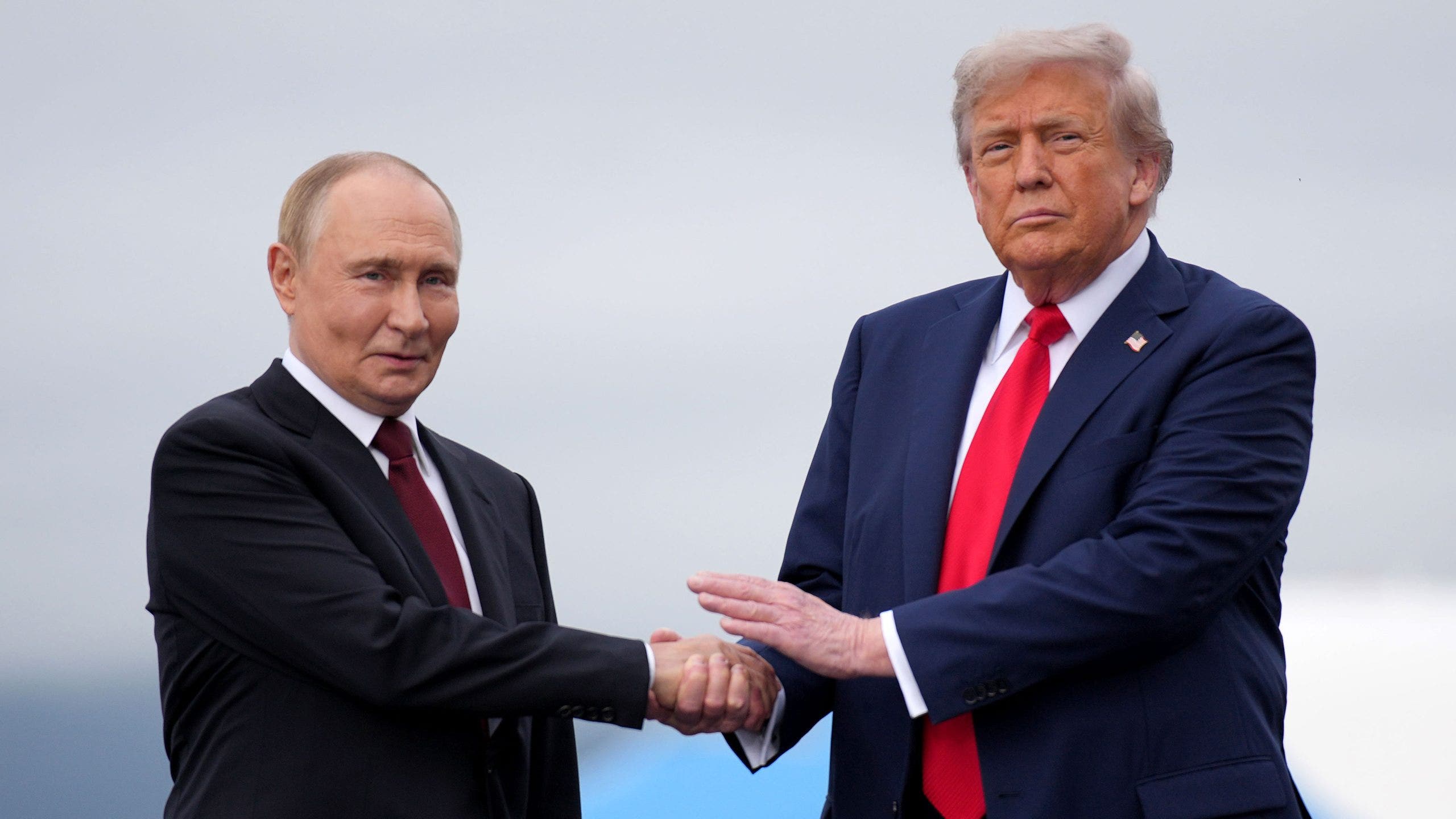
Summary
President Donald Trump authorized a temporary easing of restrictions on Russian-origin diesel, saying increased global supply could lower fuel prices and demonstrate the economic benefits of improved U.S.-Russia relations. Treasury’s General License 135 permits related transactions through April 7, 2027, following announced Russian shipments totaling potentially several million metric tons. The move has drawn bipartisan congressional opposition, while Russia continues attacks on Ukrainian energy infrastructure. Analysts question both the agreement’s effect on prices and whether sanctions relief will persuade Vladimir Putin to compromise.
Watchmen Signals
Biblical Context
The reported policy places economic relief, wartime conduct, civilian suffering, and peace negotiations in direct tension. Scripture does not prescribe a modern sanctions regime or determine whether this particular diesel authorization is wise, but it does address the responsibilities of rulers, the pursuit of peace, and the protection of people affected by conflict. Romans 13:1-4 describes governing authorities as accountable for using their authority to restrain wrongdoing and pursue public order. That passage does not automatically endorse every government decision, nor does it settle the prudence of negotiating with an adversary. It does provide a framework for examining whether state power is being used responsibly and whether a policy serves justice and the protection of the public rather than merely advancing political interests. Jesus’ blessing of the peacemakers in Matthew 5:9 supports the stated goal of seeking an end to the Russia-Ukraine war. Yet peacemaking is not identical to making unilateral concessions. The article’s uncertainty about Russian reciprocity makes the distinction important: efforts to reduce conflict should be judged by whether they genuinely move the parties toward peace, not simply by whether they are described as diplomatic engagement. The attacks on energy infrastructure and the resulting loss of electricity for civilians can be considered alongside Jeremiah 22:3, where rulers are commanded to deliver the oppressed and not to do violence to the vulnerable. The passage addresses Judah’s leaders in a specific covenant setting, so it should not be treated as a technical rule for modern warfare. It nevertheless supplies a meaningful moral principle: those with power bear responsibility for protecting people exposed to political and military decisions. James 4:1-2 identifies conflict as arising from disordered desires and disputes among people. It does not explain every cause of an international war, but it cautions against reducing war to economics alone. The report itself raises a similar question by noting that Putin may be motivated more by territorial aims, legacy, and broader grievances than by Russia’s economic welfare. Scripture therefore supports sober evaluation of both material incentives and the deeper motives driving leaders. The article’s facts do not establish a specific fulfillment of biblical prophecy. Although war involving Russia may prompt comparisons with passages such as Ezekiel 38, the report does not identify the distinctive coalition, circumstances, or prophetic setting described there. The responsible conclusion is that the event is relevant to biblical teaching on authority, justice, war, and peacemaking, but it should not be presented as evidence that a particular prophecy is being fulfilled.
Biblical Sources
Scripture references supporting the biblical context above.
James links conflicts to sinful desires and disputes, offering a broader biblical lens for the article’s question about whether economic incentives can change leaders’ deeper motives and ambitions.
This command to Judah’s rulers to deliver the oppressed and reject violence provides a relevant moral principle for considering attacks on energy infrastructure and the effects on civilians, while recognizing its original historical context.
Jesus commends peacemakers, which directly relates to the reported effort to use economic policy and diplomacy to bring the Russia-Ukraine war toward a settlement.
These verses describe governing authorities as accountable for exercising authority to restrain wrongdoing and serve public order. They provide a framework for evaluating the responsibilities behind sanctions relief and wartime policy without endorsing every government decision.
Comments
No comments yet.
Sign in to join the conversation.
Sign In