Teen suspected of killing boy and stepmom was in prosecutors' sights for years — until new law let them strike
Summary
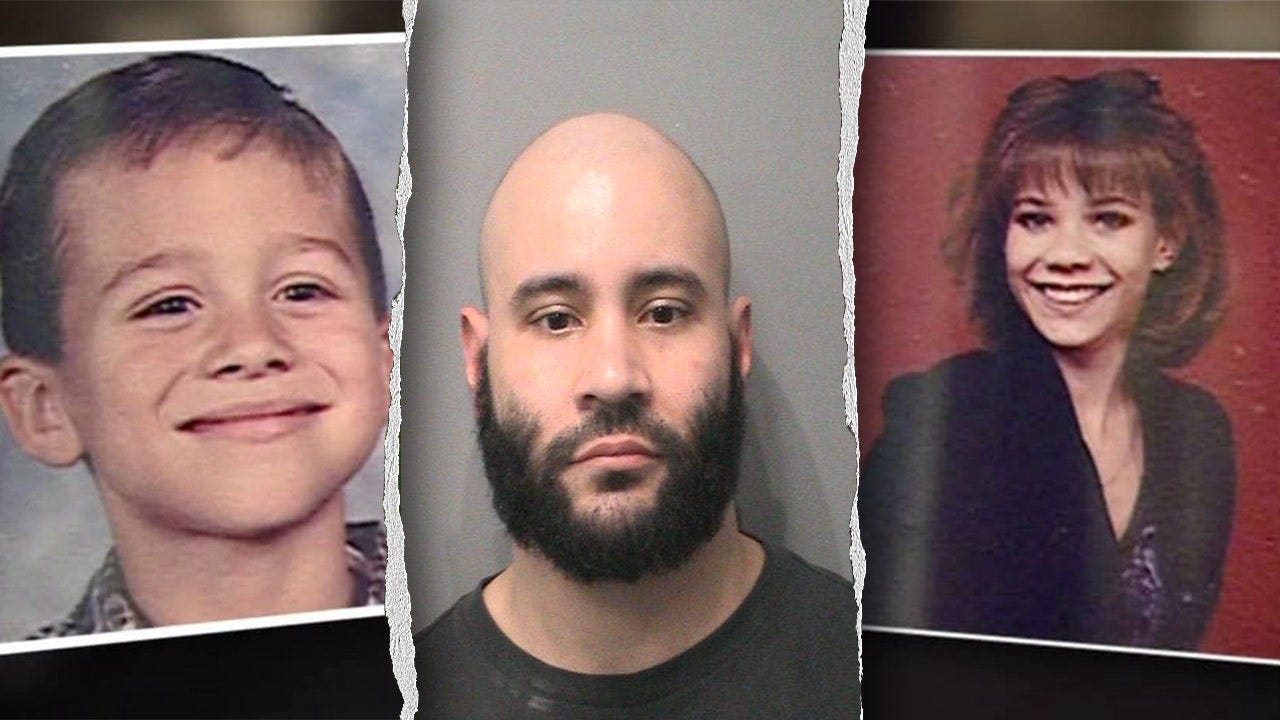
Indiana prosecutors have indicted Michael Jerome James, now 35, over the July 24, 2006, killings of 10-year-old Blake Dickus and his 26-year-old stepmother, Chynna, in Franklin. Authorities reportedly identified James years ago but said Indiana’s former juvenile-jurisdiction law prevented them from charging him after he became an adult. Legislation enacted in 2025 created a new legal mechanism, enabling the indictment. James remains jailed without bond, but a defense challenge may determine whether the case can proceed. Authorities have not disclosed the forensic evidence linking him to the murders.
Watchmen Signals
Biblical Context
The deaths of Blake and Chynna involve the direct biblical prohibition against murder. Exodus 20:13 treats the intentional taking of innocent life as a grave moral wrong, while Genesis 9:6 grounds the seriousness of human life in humanity’s creation in God’s image. Those passages address the alleged killings themselves; they do not determine whether James is guilty, since the article reports accusations and an indictment rather than a completed trial. The effort to prosecute the case through lawful courts also relates to the Bible’s recognition of civil authority and its responsibility to restrain wrongdoing. Romans 13:1-4 describes governing authorities as accountable for maintaining order and bearing the sword against evil. In this case, that principle supports the legitimate pursuit of justice through established legal procedures, but it also underscores the importance of lawful jurisdiction and fair process. Scripture does not provide a ruling on Indiana’s particular juvenile-court statutes, nor does it resolve the competing legal interpretations described in the report. The article’s uncertainty also makes biblical standards concerning truthful judgment relevant. Deuteronomy 16:18-20 commands judges to administer justice impartially and warns against perverting judgment. Applied here, the principle supports careful examination of the undisclosed forensic evidence, the statute’s legal validity, and the accused’s rights rather than treating an indictment as proof of guilt. No specific biblical prophecy is identified: a cold-case indictment, a dispute over juvenile jurisdiction, and the pursuit of a murder prosecution do not correspond to a particular prophetic passage or identifiable prophetic pattern.
Biblical Sources
Scripture references supporting the biblical context above.
These instructions require judges to pursue justice and avoid distorted judgment, relevant to the unresolved jurisdictional dispute and the need to evaluate evidence fairly.
The command against murder directly addresses the alleged killing of Blake and Chynna, while not determining the accused's guilt.
This passage emphasizes the gravity of unlawfully taking human life because people are made in God's image; it supports the seriousness of the alleged murders.
Paul describes civil authorities as responsible for public order and punishment of wrongdoing, relating to the prosecution through lawful courts.
Comments
No comments yet.
Sign in to join the conversation.
Sign In