The crisis facing American boys might trace back to one essential problem
Summary
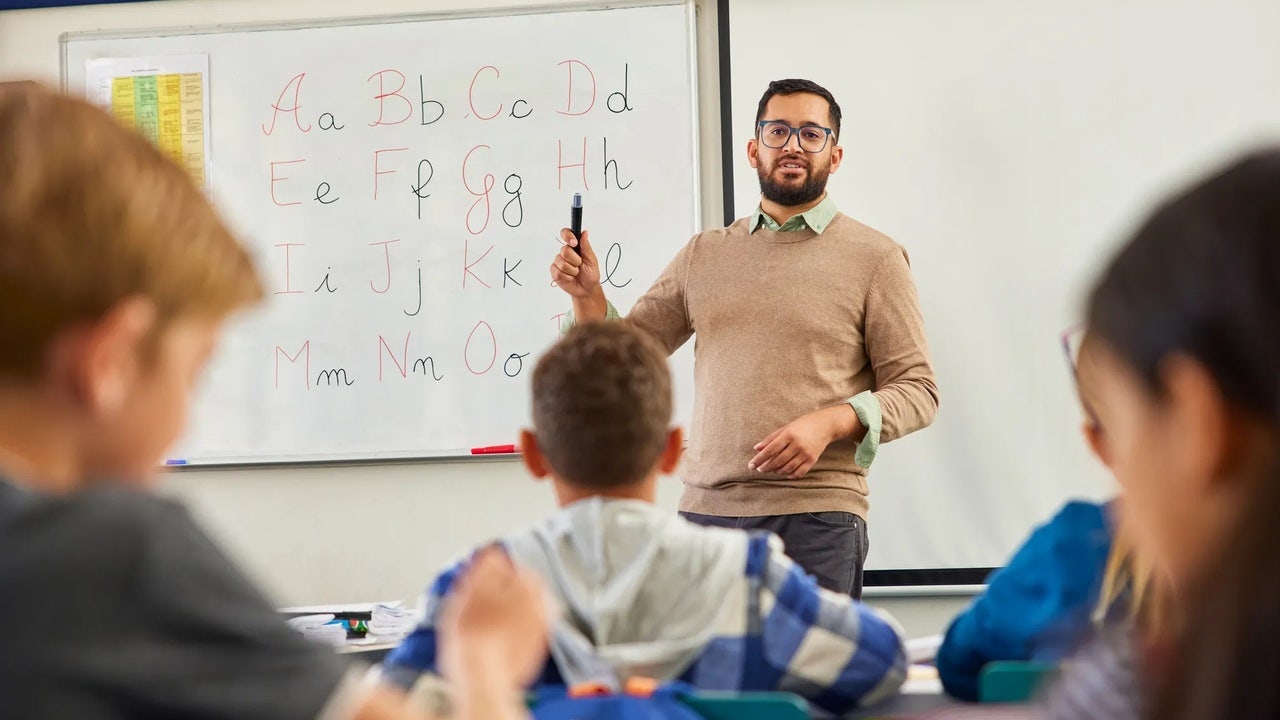
The commentary argues that American boys are increasingly growing up without consistent fathers or male role models. It links this trend to industrialization, the rise of female-dominated public-school teaching, declining marriage rates, and father absence, while acknowledging that women educators are not inferior. Citing estimates that nearly 80% of public-school teachers are women and more than 15 million children live with their mothers but not their fathers, the writer calls for stronger paternal involvement, male mentorship, and intentional moral education.
Watchmen Signals
Biblical Context
Children’s moral and spiritual formation is assigned substantial importance in Scripture, and parents are repeatedly presented as primary teachers. Deuteronomy 6:6-7 directs parents to teach God’s commands diligently to their children in the ordinary rhythms of life. Psalm 78:5-7 likewise describes one generation transmitting God’s works and commands to the next so that children would place their confidence in God and remain faithful. These passages support the article’s concern that fathers and families should not surrender responsibility for a child’s formation, although they do not require schools to employ male teachers or imply that women are incapable of teaching children. Proverbs presents instruction as a family responsibility that includes correction, wisdom, self-control, and moral discernment. Proverbs 1:8-9 refers to a father’s instruction and a mother’s teaching together, which is significant because it supports active parental formation while avoiding the article’s sharper implication that education becomes deficient when women teach. Proverbs 22:6 emphasizes intentional early training, though it should not be treated as a mechanical guarantee that every child will follow a particular path. Ephesians 6:4 specifically addresses fathers, charging them not to provoke their children but to bring them up in the discipline and instruction of the Lord. This directly supports the article’s criticism of passive or absent fatherhood and its call for fathers to take responsibility for their children’s development. At the same time, Scripture’s broader pattern includes women as teachers and exemplars: Titus 2:3-5 instructs older women to train younger women, and Timothy received formative instruction from his mother and grandmother in 2 Timothy 1:5 and 3:14-15. The biblical picture is therefore not that children require only male instruction, but that faithful adults—parents, relatives, and mature members of the community—should actively transmit truth, character, and wisdom. Titus 2:1-8 also supports the value of older men modeling soundness, self-control, dignity, and good works for younger people. That is a meaningful parallel to the article’s appeal for male mentors who can channel strength, competitiveness, and sexuality toward responsibility and service. The passage concerns life in the Christian community rather than a modern school staffing policy, so the connection is principled rather than prescriptive. Overall, Scripture materially addresses fatherhood, family responsibility, intergenerational instruction, discipline, and moral formation, but it does not validate every historical or educational conclusion made in the commentary.
Biblical Sources
Scripture references supporting the biblical context above.
Recognizes the formative faith of Timothy’s grandmother and mother, illustrating that women can play a significant role in transmitting faith and character.
Points to Timothy’s childhood instruction in the sacred writings, reinforcing the importance of early, sustained teaching within the family and faith community.
Commands parents to teach God’s words diligently to their children in everyday life, supporting the article’s emphasis on intentional family formation.
Charges fathers to raise children with disciplined and godly instruction, directly relating to the article’s concern about paternal involvement.
Names both a father’s instruction and a mother’s teaching, supporting active parental guidance while showing that biblical education is not exclusively male.
Emphasizes the importance of early training and formation, which relates to the article’s focus on childhood development.
Describes one generation teaching the next about God’s works and commands so that children may place their hope in God and remain faithful.
Describes mature men and women modeling and teaching godly character across generations, supporting the value of responsible mentors without prescribing modern school staffing ratios.
Comments
No comments yet.
Sign in to join the conversation.
Sign In