BROADCAST BIAS: Feminist freakout over Shane Gillis comment is the real joke
Summary
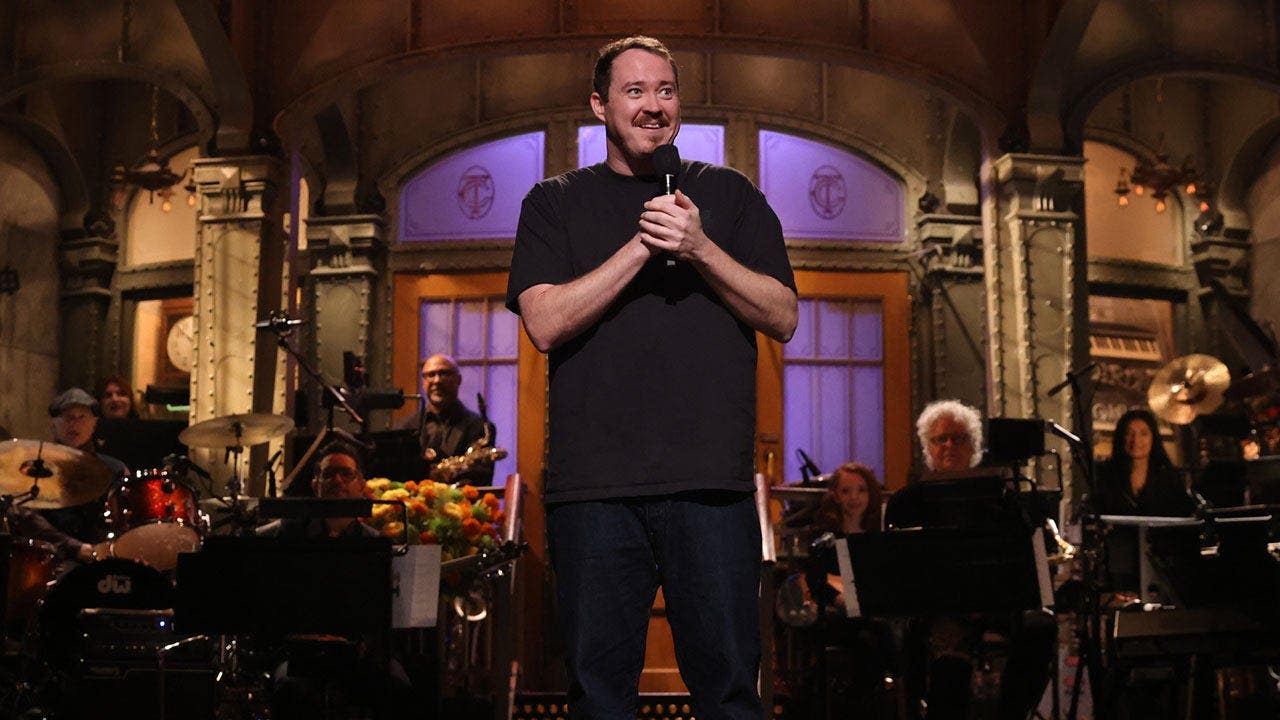
Fox News opinion writer Tim Graham criticizes the backlash against comedian Shane Gillis after his October 2026 “Saturday Night Live” monologue used sexually degrading language about women’s clothing and bodies. NBC, ABC, CBS, commentators, and feminist writer Jessica Valenti condemned the remarks, linking them to concerns about sexual assault and “rape culture.” Graham argues the reaction reflects political and media double standards, contrasting the criticism of Gillis with jokes about a female conservative official on “Jimmy Kimmel Live.”
Watchmen Signals
Biblical Context
The remarks described in the report raise direct biblical concerns about the dignity of women and the moral use of speech. Genesis 1:27 teaches that both men and women are created in the image of God, which weighs against reducing women to sexualized objects or treating their bodies as material for contemptuous ridicule. The passage does not settle every question about comedy, clothing, or public speech, but it establishes the equal human worth that degrading language violates. Ephesians 5:3-4 specifically warns against sexual immorality, impurity, and “obscene, foolish talk” and crude joking. That teaching is materially relevant to the quoted monologue because the reported humor uses sexualized and degrading descriptions of women. Ephesians 4:29 adds the positive requirement that speech should build others up rather than corrupt or tear them down. These passages address the reported language itself, though they do not by themselves determine whether a particular comedian should be canceled or how a broadcaster should respond. The article also alleges inconsistent treatment of similar jokes aimed at people with different political views. If that inconsistency exists, Scripture’s warnings against partiality and its demand for fair judgment are relevant. James 2:1-4 condemns showing favoritism based on status, while John 7:24 calls for righteous judgment rather than judgment based on appearances. These passages support evaluating comparable conduct by consistent standards; they do not establish from the supplied examples that the media actually acted with unlawful or deliberate bias. The reported discussion of sexual assault also calls for moral seriousness and protection of human dignity. However, the article does not establish a direct causal relationship between the monologue and any assault. Scripture supports rejecting sexual degradation and taking accusations of wrongdoing seriously, but it does not provide a basis for treating an entertainment controversy as evidence that a specific biblical prophecy is unfolding. No specific prophetic passage is meaningfully identified by the facts reported.
Biblical Sources
Scripture references supporting the biblical context above.
Speech should build others up and give grace rather than corrupt or tear down; this provides a standard for evaluating public humor and commentary.
Paul warns against impurity, obscenity, foolish talk, and crude joking, directly relating to the sexually degrading language quoted from the monologue.
Human beings, male and female, are made in God’s image; this supports treating women as persons of equal dignity rather than reducing them to sexual objects.
James condemns favoritism in judgment, supporting the principle that comparable conduct should not be evaluated differently because of a person’s status or political identity.
Jesus calls for righteous judgment rather than superficial judgment; this is relevant to the article’s claim that media responses may be politically inconsistent.
Comments
No comments yet.
Sign in to join the conversation.
Sign In