2,000-year-old mikveh points to previously unknown Jewish settlement in Israel
Summary
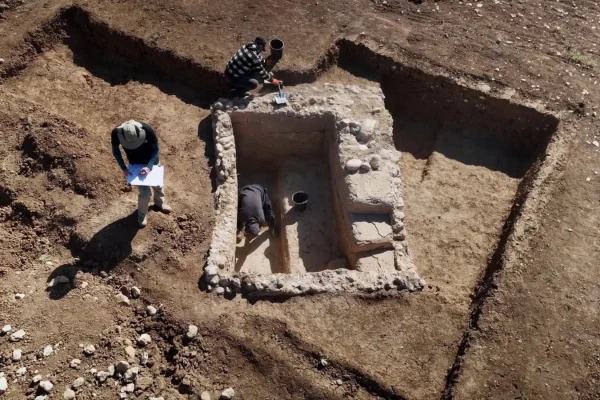
Archaeologists uncovered a roughly 2,000-year-old Jewish ritual bath, or mikveh, in Kiryat Gat’s Carmei Gat neighborhood. The Israel Antiquities Authority says the discovery provides the first known evidence of a Jewish settlement in the area between the Judean Lowlands and northern Negev during the Second Temple period. Additional finds included stone measuring vessels associated with Jewish ritual practice. The 25-ton structure was carefully relocated to Jerusalem for conservation and is expected to return for public display after nearby construction is completed.
Watchmen Signals
Biblical Context
The discovery provides archaeological context for Jewish ritual life and settlement in the Second Temple period, the era in which Jesus lived and ministered. The existence of a mikveh is consistent with the broader Jewish purification practices reflected in the New Testament, including references to Jewish washings and stone water jars intended for purification. These passages support a historical thematic connection, but they do not identify this particular settlement or mikveh. The article should therefore be viewed as background evidence about the material culture of Second Temple Judaism, not as proof of prophecy fulfillment.
Biblical Sources
Scripture references supporting the biblical context above.
John describes six stone water jars kept for Jewish purification, providing a direct New Testament context for the importance of ritual purification vessels in the period associated with the discovered mikveh.
Mark refers to Jewish washing traditions involving hands, cups, pots, and other vessels, illustrating the ritual-purity practices that form a broader context for the article’s discussion of a Jewish ritual bath and purity-related vessels.
Comments
No comments yet.
Sign in to join the conversation.
Sign In