Mamdani accused of betraying NYC workers as union boss blasts 'anti-labor' horse carriage ban
Summary
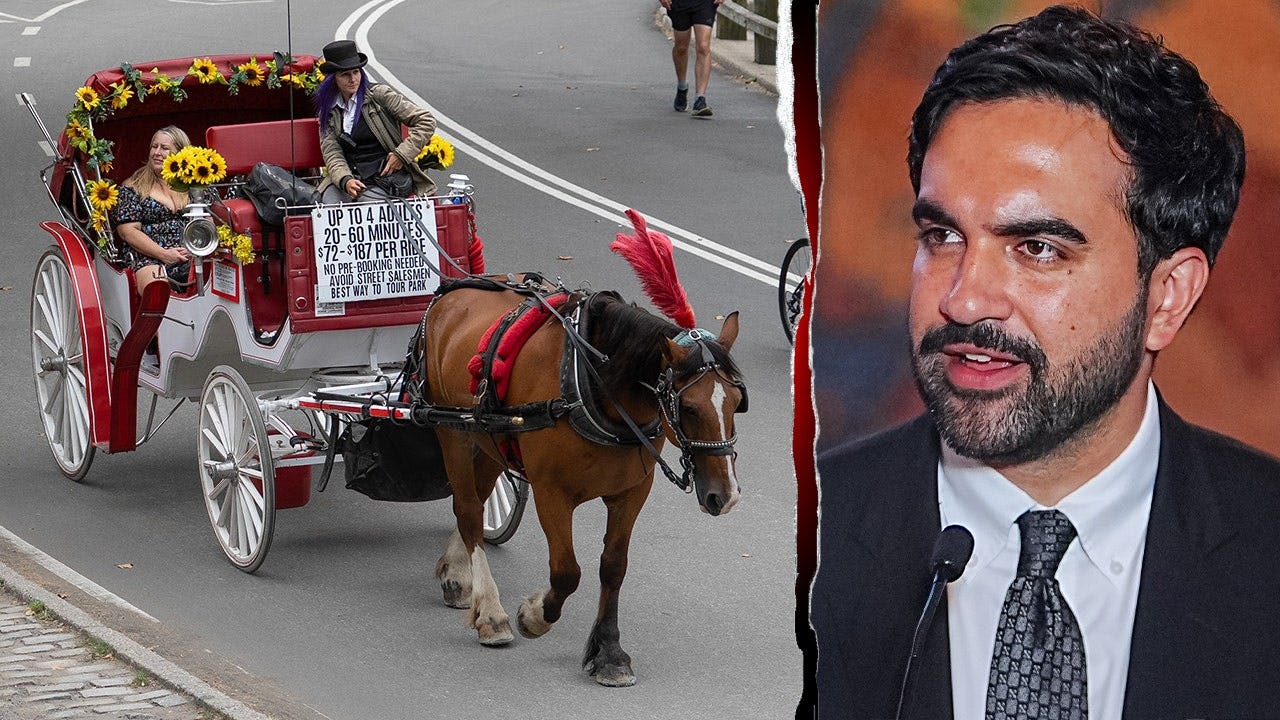
New York City lawmakers are expected to vote October 22 on legislation ending horse-drawn carriage rides in Central Park by June 1, 2028. The proposal follows a fatal June 17 carriage accident involving 18-year-old Romanch Mahajan and the reported death of a carriage horse eight days earlier. Supporters cite animal welfare and public safety, while the industry’s union argues the incidents are being used to eliminate roughly 160 jobs, many held by immigrant workers. The bill would require a workforce transition plan and humane placement of the horses.
Watchmen Signals
Biblical Context
The strongest biblical connection concerns the treatment of animals. Proverbs 12:10 presents care for domestic animals as a mark of righteous character, which bears directly on the allegations that some carriage horses have been exhausted, injured, or inadequately treated. That principle does not by itself determine whether a citywide ban is the best remedy, but it makes humane treatment a legitimate moral concern. Government also has a recognized responsibility to restrain wrongdoing and protect the public. Romans 13:1-4 describes civil authority as having a legitimate role in promoting order and punishing harmful conduct. Applied cautiously, that principle can illuminate the city’s stated concerns about accidents, pedestrians, and public safety. It does not require this particular policy, nor does it settle the factual dispute over whether the industry as a whole is unsafe. The reported effect on approximately 160 workers raises a separate concern about responsible treatment of laborers. Deuteronomy 24:14-15 forbids exploiting a poor or vulnerable hired worker and stresses the importance of timely, fair payment. The passage does not require government to preserve every occupation threatened by regulation, and the article does not report withheld wages. It nevertheless supports careful attention to whether the promised transition and possible compensation genuinely protect workers rather than treating them as incidental costs. These passages support ethical principles relevant to animal welfare, public safety, and worker protection. They do not identify a specific biblical policy for horse-drawn carriages, and no specific prophetic passage is meaningfully connected to this localized municipal decision.
Biblical Sources
Scripture references supporting the biblical context above.
The law prohibits exploiting vulnerable hired workers and requires prompt payment. It relates indirectly to the proposal’s workforce transition and concern for drivers’ livelihoods, though the passage does not address industry closures or compensation programs.
The proverb contrasts righteous care for an animal with the cruelty of the wicked, directly supporting concern for the humane treatment of carriage horses.
Paul describes civil authorities as responsible for public order and for restraining wrongdoing; this provides a broad framework for evaluating the city’s stated safety responsibilities, without prescribing a ban.
Comments
No comments yet.
Sign in to join the conversation.
Sign In