NFL lifts abuse suspensions on Green Bay's Josh Jacobs and Denver's Jonathon Cooper as investigations continue
Summary
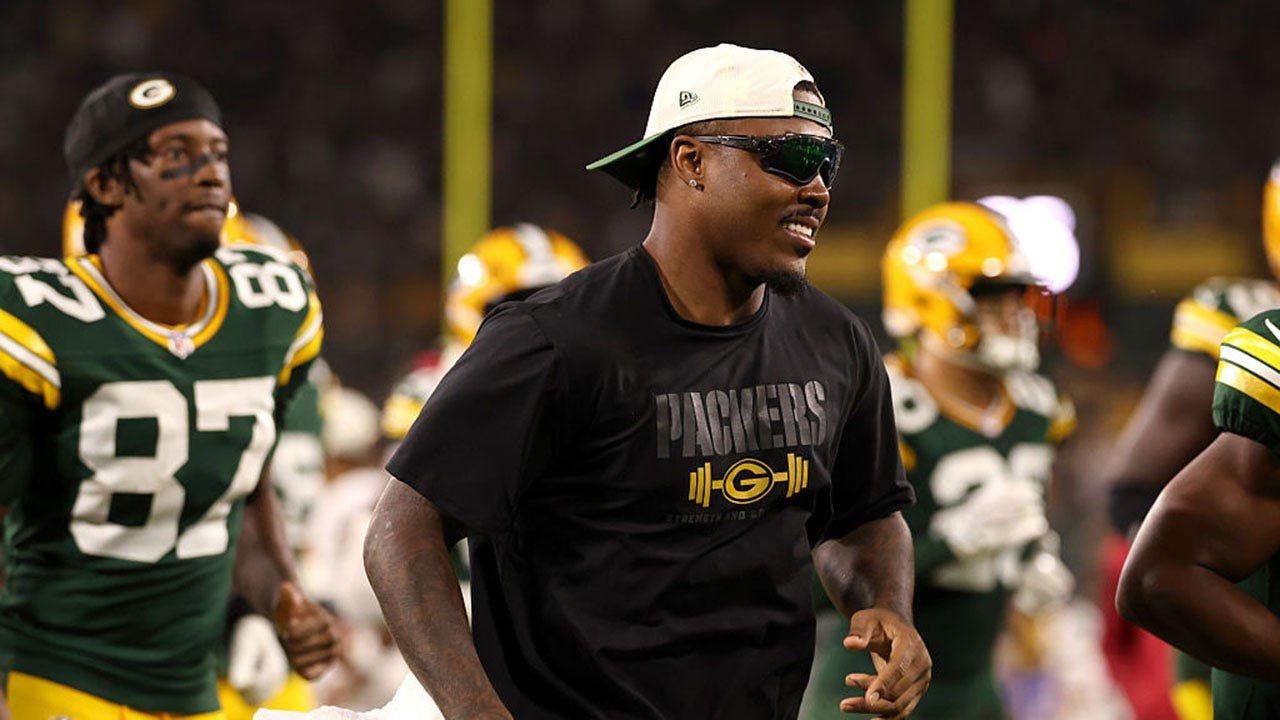
Green Bay Packers running back Josh Jacobs and Denver Broncos linebacker Jonathon Cooper are being removed from the NFL’s Commissioner’s Exempt List after missing games in connection with domestic-abuse-related arrests and allegations. Jacobs pleaded no contest on September 10 to misdemeanor battery and criminal-damage charges and received a fine, counseling, restitution, and a no-contact order. Cooper pleaded not guilty to more serious charges, including second-degree assault by strangulation, and awaits hearings and a tentatively scheduled March trial. Both remain subject to NFL investigations and possible further discipline.
Watchmen Signals
Biblical Context
Domestic violence allegations, alleged violations of protective orders, legal proceedings, and possible professional consequences raise direct biblical concerns about violence, oppression, justice, personal responsibility, and the protection of those at risk. Scripture condemns violent conduct rather than treating it as merely a private or reputational matter. Psalm 11:5 identifies violence as something God hates, while Proverbs 24:11-12 calls for rescuing vulnerable people and refusing to ignore wrongdoing. Those principles do not determine whether the allegations against either player are true, but they support taking credible accusations seriously and protecting potential victims. The reported court proceedings and NFL investigations also illustrate the importance of accountable authority. Romans 13:1-4 describes civil government as responsible for restraining wrongdoing and administering justice; the passage does not imply that every governmental decision is infallible, but it recognizes lawful accountability as a legitimate social function. The NFL’s separate investigation reflects organizational discipline, though Scripture does not prescribe this particular league process. Personal responsibility is also relevant. Galatians 6:7 teaches that people reap what they sow, and Proverbs 28:13 contrasts concealing wrongdoing with confessing and turning from it. These passages provide general moral principles, not a basis for declaring that a plea agreement necessarily proves repentance or that either player’s case has been fully resolved. Cooper’s pending trial especially requires a distinction between accusation and adjudicated guilt. No specific biblical prophecy is identified in these arrests, plea proceedings, or possible suspensions; the significance is ethical and legal rather than prophetic.
Biblical Sources
Scripture references supporting the biblical context above.
The principle that people reap what they sow provides a general biblical framework for personal accountability and the consequences of conduct.
These verses call people to rescue those being led toward danger and reject claims of ignorance, supporting concern for protecting potential victims and confronting wrongdoing.
The verse distinguishes concealment of wrongdoing from confession and renunciation, offering a relevant principle concerning responsibility and repentance without assuming that either legal outcome proves genuine repentance.
The verse states that God hates the one who loves violence, directly supporting the article’s relevance to allegations of domestic violence and assault.
This passage describes civil authorities as having a legitimate role in restraining wrongdoing and administering justice, relevant to the arrests, courts, protective-order allegations, and pending trial.
Comments
No comments yet.
Sign in to join the conversation.
Sign In