Tish James confronted on camera over Trump's accusation of bias in Cornell rape case
Summary
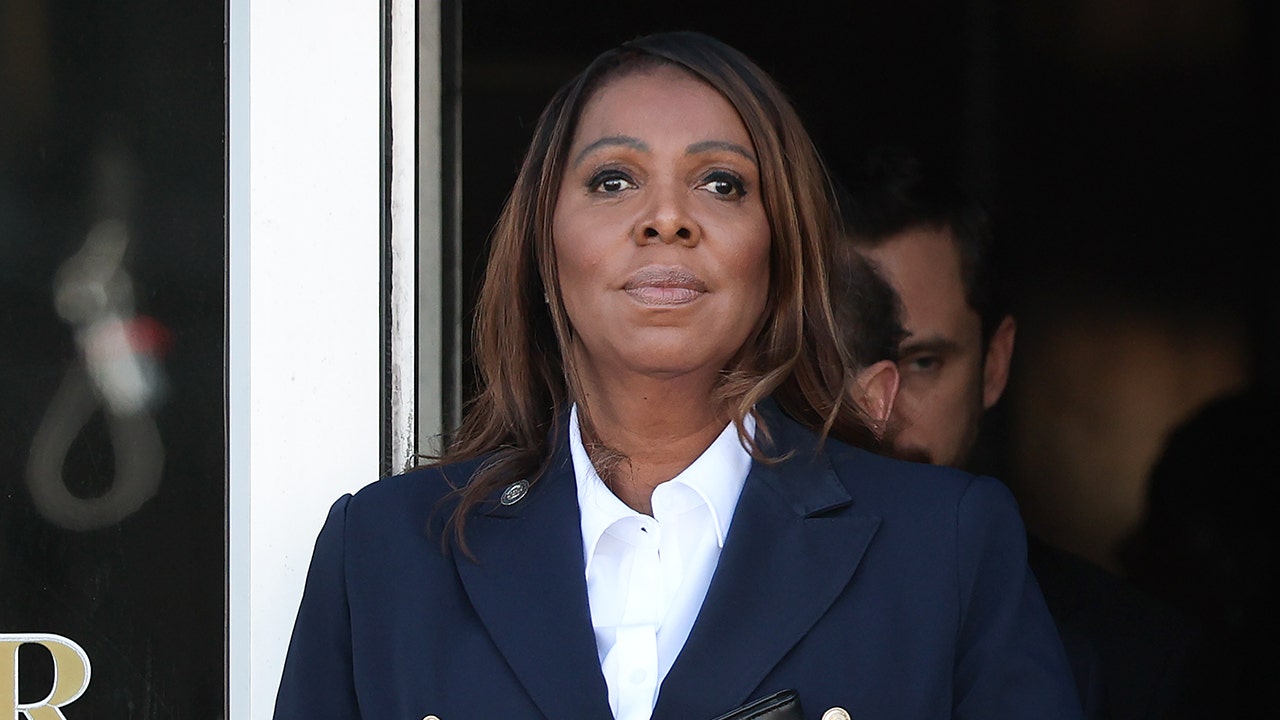
New York Attorney General Letitia James has vowed to conduct a fair investigation into allegations that a Cornell University student was sexually assaulted by seven men at a 2024 Chi Phi fraternity party. Cornell police previously referred the woman’s sworn statement to local prosecutors, who declined charges, while a separate Title IX proceeding led to expulsions and suspensions. New York Gov. Kathy Hochul appointed James as special prosecutor, but defense attorneys and President Donald Trump have challenged her impartiality, citing public comments supporting the alleged victim.
Watchmen Signals
Biblical Context
Sexual violence and the treatment of alleged victims are matters Scripture addresses seriously, but biblical principles do not determine the facts of this particular case. Passages such as 1 Corinthians 6:18 and 1 Thessalonians 4:3-7 condemn sexual immorality and call for sexual conduct marked by self-control and respect rather than exploitation. Those teachings are relevant to the nature of the allegations, while the article does not establish whether the alleged conduct occurred. The dispute over James’s impartiality also directly engages biblical demands for truthful and evenhanded judgment. Leviticus 19:15 prohibits partiality in judgment, and Deuteronomy 16:18-20 commands judges to judge fairly, reject bribes, and pursue justice. These passages support the importance of an investigation that neither presumes guilt nor dismisses the complainant without evaluating the evidence. Proverbs 18:13 and 18:17 further caution against reaching conclusions before hearing the relevant account and testing competing claims. Scripture also assigns governing authorities responsibility to restrain wrongdoing and administer justice. Romans 13:1-4 describes civil authority as accountable for punishing evil and protecting the public order. That principle supports the responsibility of prosecutors and university authorities to investigate credible allegations appropriately, but it does not endorse a particular official or resolve whether James should be removed. Psalm 82:3-4 likewise emphasizes defending the weak and vulnerable, though applying that broad principle to this specific legal dispute requires care. The reported allegations and impartiality dispute therefore have a meaningful biblical connection, but no specific prophetic fulfillment is identified.
Biblical Sources
Scripture references supporting the biblical context above.
Paul directly warns against sexual immorality and calls believers to flee it, providing a clear moral connection to allegations of sexual assault and exploitation.
This passage calls for sexual holiness, self-control, and conduct that does not wrong or exploit another person, principles relevant to the alleged conduct.
These instructions require judges to administer true justice and avoid partiality, supporting the need for a fair and evidence-based legal process.
The command to judge fairly without partiality directly relates to the dispute over whether the special prosecutor can impartially evaluate the evidence.
These proverbs caution against answering before hearing a matter and recognize that an initial account must be tested by another side, relevant to unresolved allegations and competing claims of bias.
The call to defend the weak and vulnerable provides a broader biblical principle relevant to protecting alleged victims while pursuing justice through proper procedures.
Paul describes civil authorities as responsible before God for maintaining order and punishing wrongdoing, illuminating the duties of prosecutors and other authorities.
Comments
No comments yet.
Sign in to join the conversation.
Sign In