Syria Announces Capture of “Butcher of Baniyas” Accused of Civilian Massacres
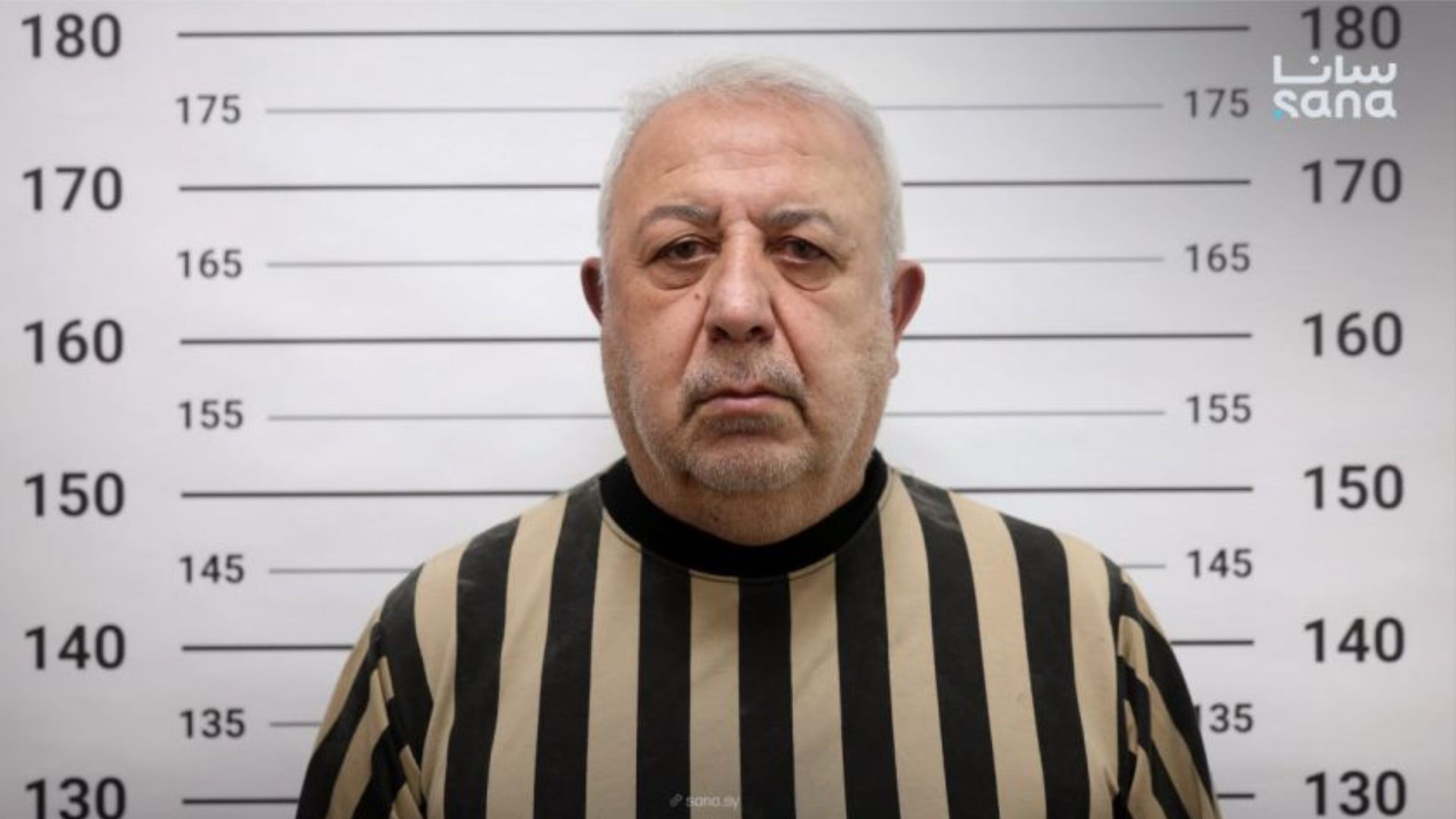
Summary
Syrian authorities announced the arrest of Ali Kayali, also known as Mihrac Ural, an Assad-linked militia leader accused of involvement in the 2013 Baniyas massacres. His forces have been accused of killing hundreds of civilians, including women and children, in Baniyas and nearby al-Bayda. A Syrian security source said he was apprehended in Lebanon with Lebanese cooperation, but Lebanese reports described a kidnapping, while Syrian state media said he was captured while attempting to cross a border. The circumstances remain unverified.
Watchmen Signals
Biblical Context
The alleged killing of civilians, including women and children, directly engages Scripture’s condemnation of murder and its concern for the protection of the innocent. Exodus 20:13 prohibits murder, establishing the basic moral seriousness of the reported allegations; the passage does not itself determine guilt in this particular case. Isaiah 1:17 calls those who seek righteousness to defend the oppressed and pursue justice. That principle is relevant to efforts to investigate alleged massacres and to protect victims, although the article does not establish that the arrest will produce a fair or completed process of justice. Psalm 82:3-4 likewise calls for the defense of the weak and needy against oppression, providing a broader biblical basis for concern about civilian victims. Romans 13:3-4 describes governing authority as having a responsibility to restrain wrongdoing and punish evil. Applied cautiously, it supports the principle that authorities should investigate grave violence and hold responsible persons accountable through lawful means. It does not validate every action by Syrian or Lebanese authorities, especially where the circumstances of the capture remain disputed. These passages provide a meaningful biblical framework for considering alleged mass killing, oppression, and accountability. They do not identify Kayali’s arrest as prophetic fulfillment, and the reported facts do not correspond to a specific biblical prophecy or distinctive prophetic pattern.
Biblical Sources
Scripture references supporting the biblical context above.
The prohibition of murder directly supports the moral seriousness of allegations that civilians were deliberately killed.
This command to seek justice and defend the oppressed is relevant to investigating alleged massacres and pursuing accountability for victims.
The passage calls for defending the weak, fatherless, afflicted, and needy, relating to the reported killing of vulnerable civilians.
Paul describes civil authority as having a role in restraining wrongdoing and punishing evil, relevant to lawful investigation and accountability while not endorsing disputed capture methods.
Comments
No comments yet.
Sign in to join the conversation.
Sign In