Americans back Trump's decision against livestreaming Nidal Hasan's firing squad execution
Summary
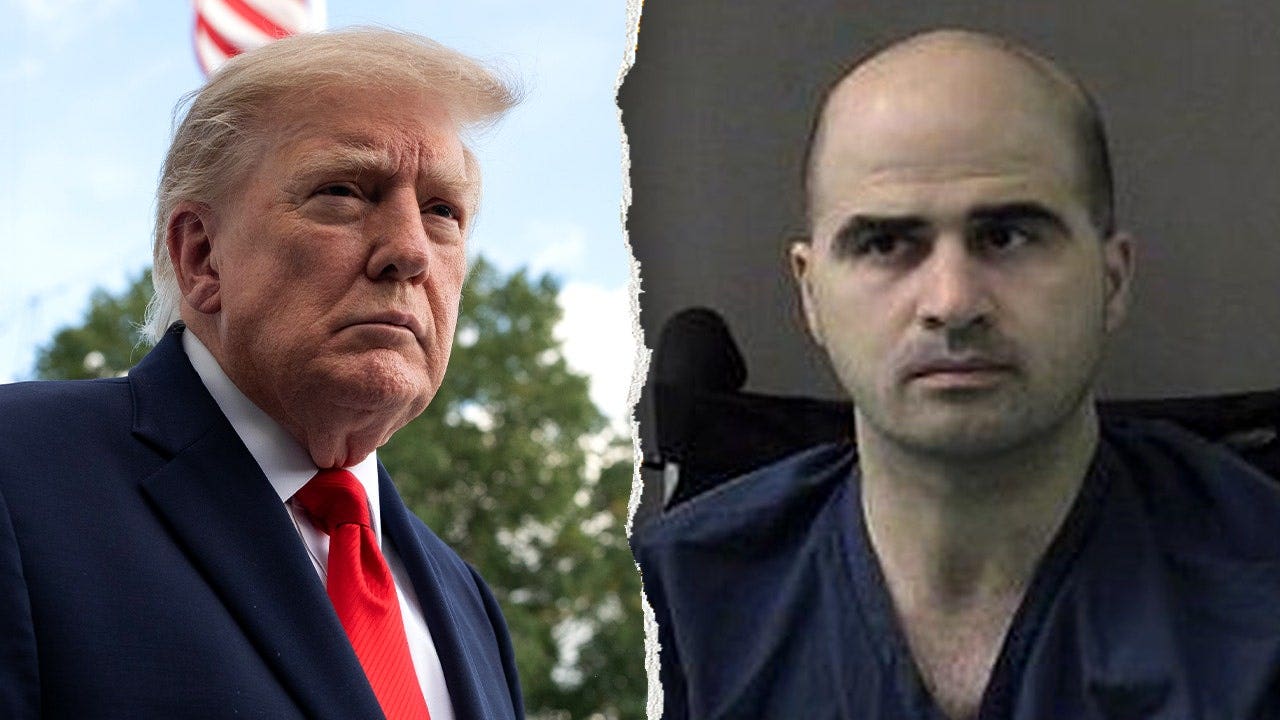
President Donald Trump reversed a Pentagon decision to livestream the Dec. 3 firing-squad execution of former Army psychiatrist Nidal Hasan, who was convicted in a 2013 military trial of killing 13 people and injuring 32 at Fort Hood in 2009. Trump said Hasan would still be executed as scheduled, while relatives of victims could attend in person. Fox News Digital interviews found broad opposition to public broadcasting, with several Americans calling it a degrading spectacle, though one supported livestreaming it as a deterrent.
Watchmen Signals
Biblical Context
The execution itself raises a biblical question about the authority and limits of civil government. Genesis 9:6 presents the taking of human life as uniquely serious and connects the punishment of murder with humanity’s accountability to God because people bear His image. Romans 13:1-4 likewise describes governing authorities as responsible for restraining wrongdoing and says that the magistrate does not bear the sword without purpose. These passages support the general legitimacy of government punishment for grave crimes, but they do not determine the legality of Hasan’s military sentence or require a particular execution method. The article’s competing claims about deterrence also have a limited biblical parallel. Ecclesiastes 8:11 observes that when punishment is not promptly carried out, people may become more willing to do evil. That passage supports taking justice and consequences seriously, but it does not establish that broadcasting an execution would deter terrorism. The article supplies no evidence resolving that empirical question. The strongest additional issue is the proposed public spectacle. Scripture does not specifically address livestreamed executions, social media, or broadcasting state violence. Nevertheless, the interviewees’ concern that a killing could become entertainment is morally relevant to the biblical emphasis on the seriousness of human life and the proper exercise of authority. That is an application of biblical principles rather than a direct biblical rule about livestreaming. Scripture supports justice and accountability, while also cautioning against treating punishment as an occasion for voyeurism or public amusement. Nothing in the reported event corresponds to a specific biblical prophecy; it is a domestic criminal-justice and media-policy dispute.
Biblical Sources
Scripture references supporting the biblical context above.
The passage observes that delayed punishment can encourage wrongdoing, providing a limited biblical context for claims that punishment may have a deterrent function without proving that livestreaming would deter terrorism.
The passage grounds the seriousness of taking human life in humanity’s creation in God’s image and is relevant to the article’s discussion of punishment for a mass killing.
Paul describes civil authorities as responsible for restraining wrongdoing and bearing the sword, supporting the general biblical recognition of government authority to punish serious crime.
Comments
No comments yet.
Sign in to join the conversation.
Sign In