Jewish Residents of Judea, Samaria Claim Media Gives Skewed Picture of Palestinian Violence, Corruption
Summary
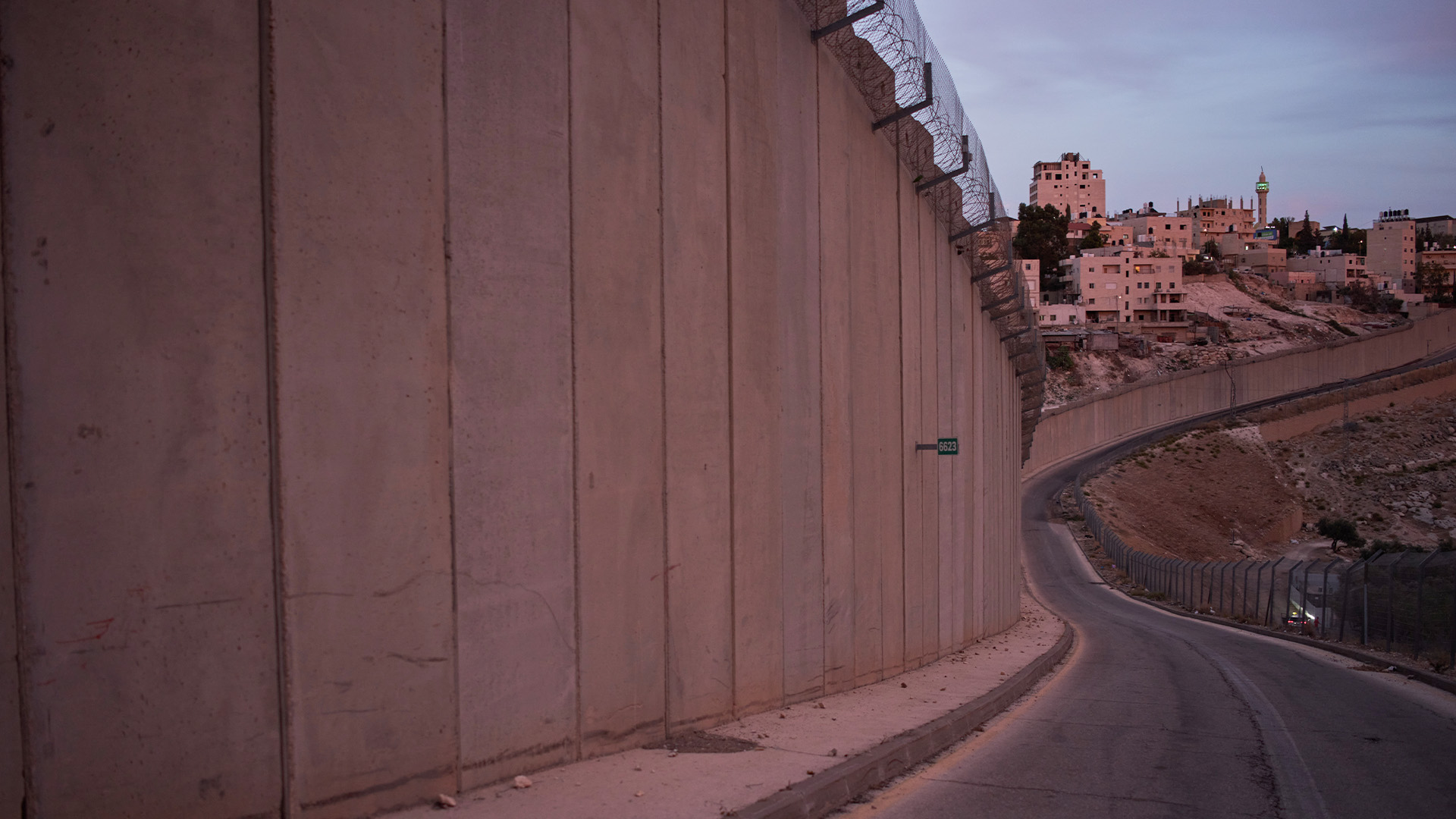
Britain announced an import ban on goods from Israeli communities in Judea and Samaria after reports of settler violence against Palestinians and described the situation as involving “ethnic cleansing.” CBN News interviewed Rabbi Leo Dee, whose wife and daughters were killed in a 2023 Palestinian terrorist attack. Dee argues that Western coverage minimizes violence against Israelis, repeats disputed casualty comparisons, and overlooks Palestinian Authority corruption and alleged payments to imprisoned terrorists. He advocates direct economic ties between Israel and local Arab communities rather than continued reliance on the Palestinian Authority.
Watchmen Signals
Biblical Context
The reported dispute involves Israel’s land, violence against both Israelis and Palestinians, government responsibility, treatment of civilians, and competing claims about justice. Those are matters Scripture addresses meaningfully, although Scripture does not directly settle Britain’s present trade policy, the legal status of modern settlements, or the accuracy of the article’s casualty and payment statistics. God’s promises concerning Abraham’s descendants and the land are relevant to the article’s focus on Judea and Samaria. Genesis 12:1-3 records God’s promise to bless Abraham and make him a blessing, including consequences for those who bless or dishonor him; Genesis 17:7-8 and 15:18-21 identify the covenantal land promise in its biblical setting. These passages support the significance of Israel’s relationship to the land in biblical theology, but they should not be treated as a complete legal analysis of modern borders or as automatic endorsement of every action by an Israeli government or settler. The article’s competing accounts of attacks and casualties also bring biblical demands for impartial justice and truthful testimony into view. Deuteronomy 16:18-20 requires judges to administer justice without partiality, while Exodus 23:1-3 warns against spreading false reports and against following a crowd to pervert justice. These principles apply to violence by Palestinians, violence by settlers, government conduct, media reporting, and public claims alike; they do not validate either side’s statistics without evidence. Micah 6:8 likewise calls for justice, mercy, and humble conduct before God, which is relevant to the treatment of civilians and vulnerable communities. Romans 13:1-4 describes civil authorities as accountable to God to restrain wrongdoing and pursue public order. That principle is relevant to Britain’s exercise of trade policy, Israel’s responsibility to prosecute violent offenders, and the Palestinian Authority’s alleged role in rewarding terrorism. It does not by itself determine whether any particular government policy is wise or just. Romans 11:28-29 also treats Israel as significant within God’s continuing purposes, but it does not identify this British measure or current West Bank conflict as a prophetic fulfillment. No specific prophetic event is established by the reported ban, disputed statistics, or ongoing violence. International pressure on Israel can invite comparison with broader biblical themes of opposition to Israel, but the supplied facts lack the distinctive scope and defining features needed to identify a particular prophecy responsibly.
Biblical Sources
Scripture references supporting the biblical context above.
Israelite judges are commanded to administer justice, avoid partiality, and pursue justice. This bears on allegations of violence, accountability, and the evaluation of competing claims about victims and perpetrators.
These instructions prohibit spreading false reports and warn against allowing crowds or partiality to corrupt judgment. They are materially relevant to the article’s disputed casualty claims, media narratives, and politically consequential allegations.
God’s call of Abram includes a promise that through him and his descendants the nations would be blessed, with consequences for those who bless or dishonor him. This supports the biblical significance of Israel and the treatment of the Jewish people, while not resolving modern policy disputes.
God’s covenant with Abraham includes a promise concerning Abraham’s descendants and the land of Canaan. The passage is relevant to the article’s focus on Israel’s presence in Judea and Samaria, but it should not be used as a complete determination of modern borders or governmental actions.
The passage summarizes a requirement to do justice, love mercy, and walk humbly with God. It provides a relevant moral framework for evaluating violence against Israelis and Palestinians and the treatment of civilians.
Paul affirms Israel’s continuing significance in relation to God’s promises and calling. This supports treating developments involving Israel as biblically significant, but it does not identify the reported events as prophecy fulfilled.
Paul describes governing authorities as responsible for public order and the punishment of wrongdoing. This relates to Britain’s policy, Israel’s prosecution of violent offenders, and allegations concerning the Palestinian Authority, without automatically endorsing any particular government decision.
Comments
No comments yet.
Sign in to join the conversation.
Sign In