Houthis emerge as global threat beyond Iran control amid Saudi strikes, former envoy warns
Summary
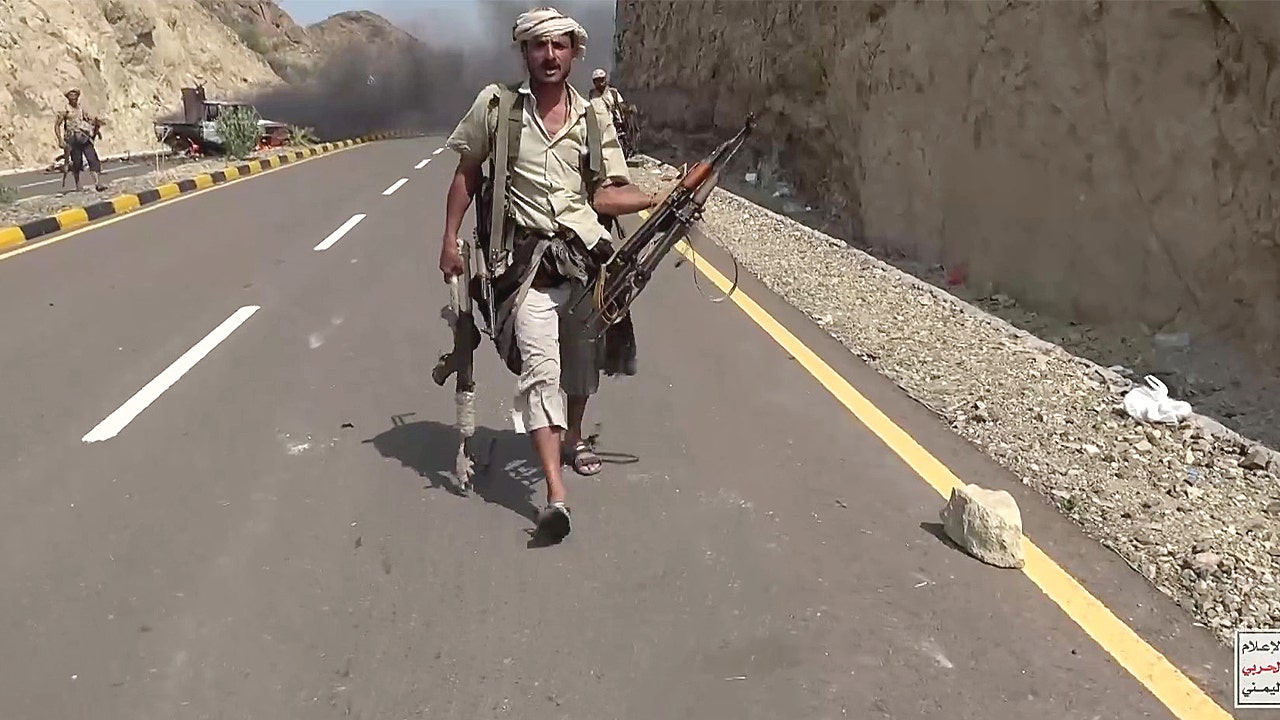
Former U.S. Yemen envoy Tim Lenderking warned that the Houthis have developed increasingly independent weapons, financing, and smuggling capabilities, making them an international security threat. Saudi officials said Houthi attacks on King Khalid International Airport in Riyadh from October 7–11 killed 17 people and injured 333. The report also describes missile interceptions, damage to an Aramco facility in Dhahran, and threats to energy, water, and Red Sea shipping infrastructure. Possible U.S. involvement could widen the regional conflict.
Watchmen Signals
Biblical Context
The reported deaths, attacks on civilian infrastructure, threats to shipping, and forced recruitment directly involve biblical concerns about the value of human life, violence, justice, and the proper use of authority. Genesis 9:6 grounds the seriousness of taking human life in humanity’s creation in God’s image; the passage does not provide a specific analysis of the Houthi movement but establishes a relevant moral principle regarding lethal attacks. Jesus’ warning that nations would rise against nations and that wars and rumors of wars would occur in Matthew 24:6-7 provides a broad description of conflict conditions. It is relevant to the article’s regional escalation, but the passage does not identify these attacks as a fulfillment of prophecy. The warning should not be used to treat every war as a specific end-times sign. Romans 13:1-4 describes civil authority as having responsibility to restrain wrongdoing and pursue justice. That principle bears on Saudi, Yemeni, U.S., and other governmental decisions regarding civilian protection, military response, and maritime security. It does not automatically endorse every state action or settle the legitimacy of any particular intervention. The article’s allegations of extortion, forced taxation, and compelled recruitment also raise questions of coercion and oppression. Those concerns are consistent with Scripture’s condemnation of unjust power, but the supplied report does not provide enough detail to apply a more specific biblical legal judgment. Overall, the connection is meaningful because the reported events concern violence, threatened civilians, coercive rule, and the responsibilities of authorities; no particular prophetic passage is specifically established by these facts.
Biblical Sources
Scripture references supporting the biblical context above.
The passage treats the taking of human life as a grave matter because human beings are made in God’s image. It supports the moral significance of reported deaths from attacks, without identifying the events as prophecy.
Jesus refers to wars, rumors of wars, and conflict among nations. This provides broad biblical context for the reported regional escalation, but it does not specifically predict Houthi attacks or establish prophetic fulfillment.
Paul describes governing authorities as responsible for restraining wrongdoing and serving public justice. This relates to the responsibilities of governments responding to attacks, protecting civilians, and maintaining security, while not endorsing every governmental decision.
Comments
No comments yet.
Sign in to join the conversation.
Sign In