Iran Backed Houthis Fire Missiles at Yemen’s Presidential Palace in Aden
Summary
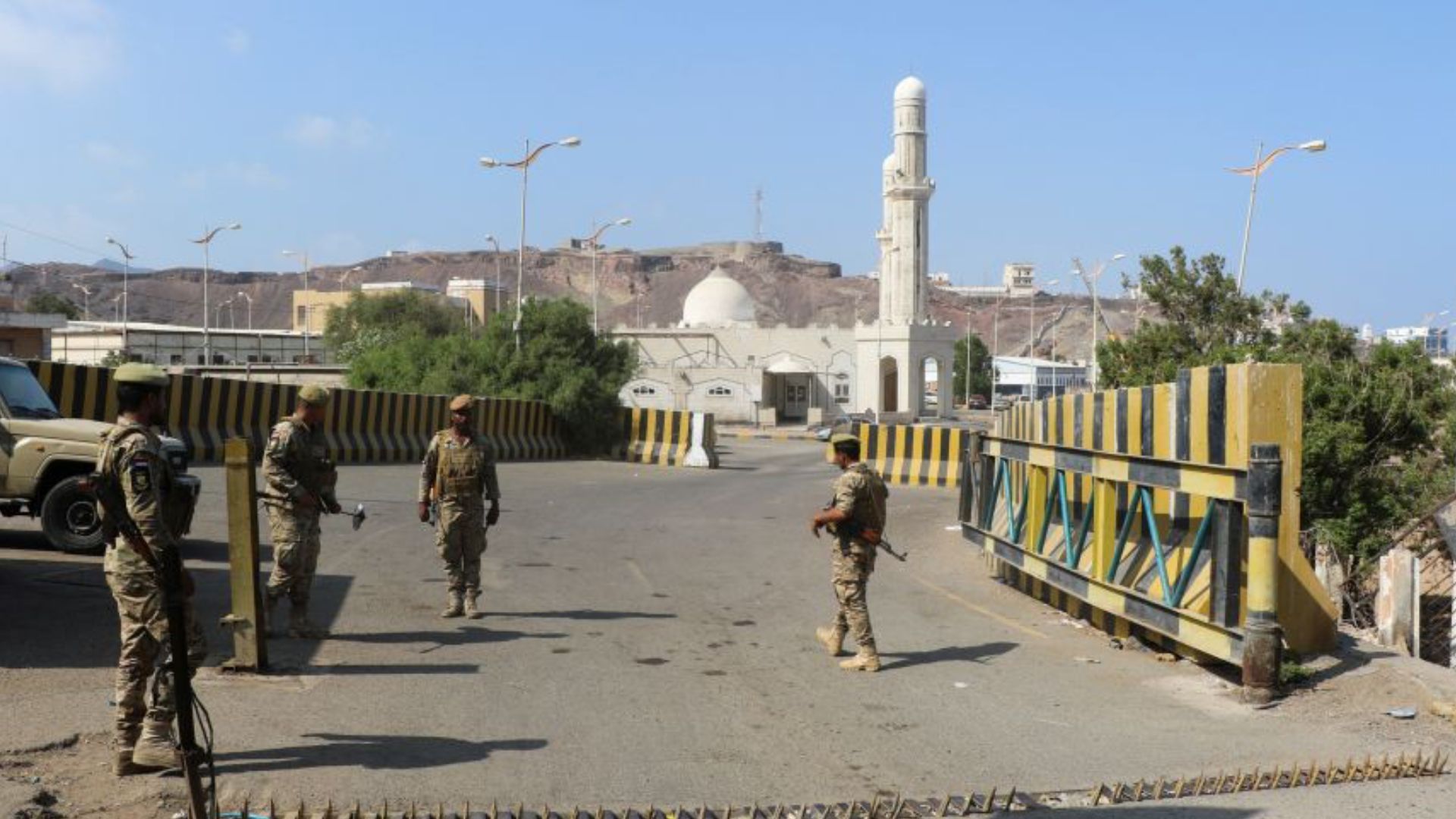
Iran-backed Houthi militants reportedly fired several missiles at Yemen’s presidential palace complex in Aden on Thursday, October 15, according to two Yemeni government officials cited by Reuters. Witnesses and the Associated Press described at least six explosions near Maashiq Palace, including by a security gate and nearby hill. The Houthis claimed they targeted a command center and weapons warehouse. Yemen’s internationally recognized leadership was reportedly unharmed. The strike occurred amid intensifying fighting between Houthi forces and Saudi-backed forces.
Watchmen Signals
Biblical Context
The attack involves armed conflict, violence against governing authorities, and instability surrounding a national government—subjects Scripture addresses directly, even though the supplied facts do not identify a specific prophetic fulfillment. Romans 13:1-4 describes civil authority as having a legitimate role in restraining wrongdoing and protecting public order. The strike on a presidential palace complex is therefore relevant to the biblical concern for government authority and the disruption caused by violent attacks on those responsible for governing. This passage does not endorse every action taken by a government, nor does it determine which side in Yemen’s conflict is just. Jesus’ teaching in Matthew 24:6-7 places wars and reports of wars within the general experience of a troubled world, while warning against treating every conflict as proof that the end has arrived. The fighting in Yemen fits that broad category, but the passage does not specifically identify the Houthis, Yemen, Aden, or this attack as a fulfillment of prophecy. James 4:1-2 connects violent conflict to disordered desires and disputes among people. Its focus is moral and spiritual rather than geopolitical, but it provides a relevant framework for recognizing the human cost and destructive character of armed power struggles. Scripture also repeatedly calls for justice and protection of the vulnerable, as in Isaiah 1:17; the supplied report does not provide enough information to assess the treatment of civilians or the justice of the competing military claims in this particular incident. No distinctive prophetic correspondence is established here. The article reports a missile attack within an ongoing regional conflict, but generic warfare and Middle Eastern instability are not sufficient to identify a particular biblical prophecy as being fulfilled.
Biblical Sources
Scripture references supporting the biblical context above.
This verse calls for justice and protection of the oppressed. It is relevant to evaluating the human consequences of armed conflict, although the supplied report does not provide enough information to determine how civilians were affected.
James examines the disputes and destructive desires that produce conflict. The connection is a moral and thematic application to the violence reported, not a claim that the passage predicts this event.
Jesus refers generally to wars and reports of wars as part of a troubled age, while cautioning against treating such events alone as proof of the end. The passage supplies context for the conflict without identifying this attack as prophetic fulfillment.
These verses address the role of governing authorities in maintaining public order and restraining wrongdoing, making them relevant to a missile attack on a presidential palace complex and the disruption of governmental authority.
Comments
No comments yet.
Sign in to join the conversation.
Sign In