Trump-appointed justice joins Sotomayor in unlikely alliance to rip DOJ's handling of illegal immigrant case
Summary
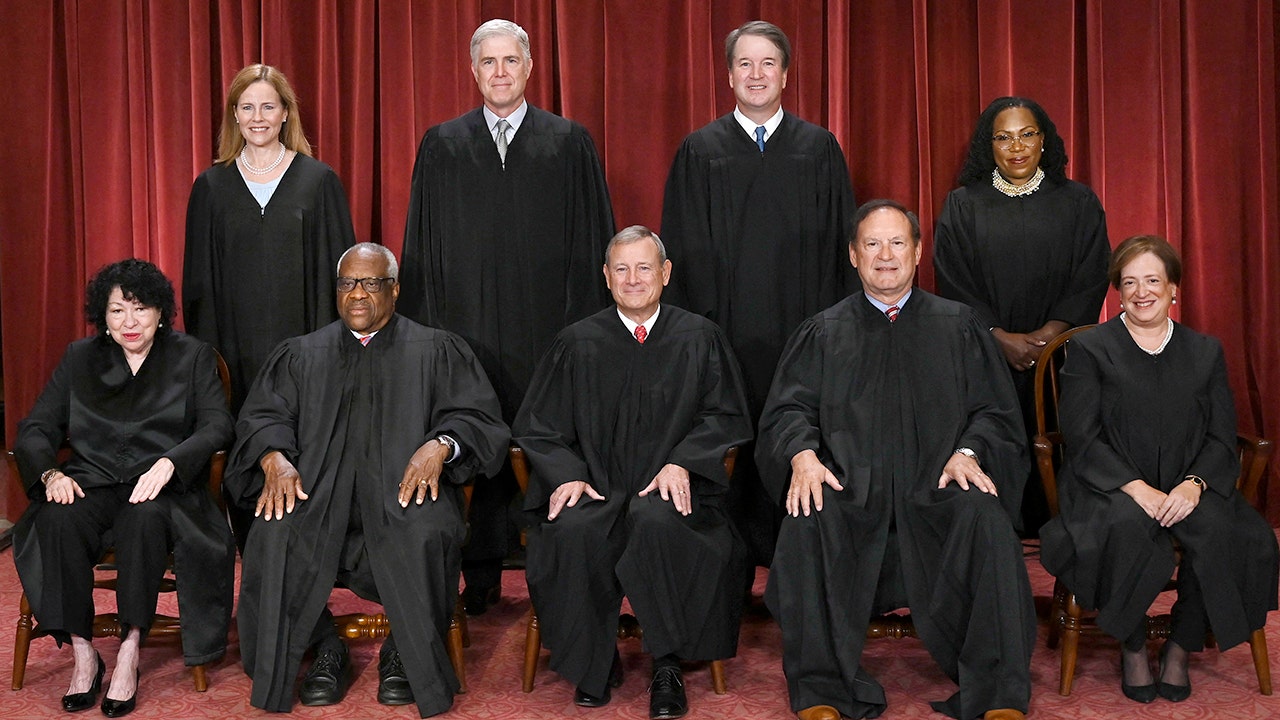
Supreme Court Justices Sonia Sotomayor and Neil Gorsuch jointly questioned the federal government’s second prosecution of Jesus Herrera-Salazar, a Mexican national previously removed from the United States. After serving prison time for unlawful reentry, Herrera-Salazar was placed under supervised release and barred from leaving eastern Oklahoma, then prosecuted again for unlawfully remaining in the country. The Court declined to hear his appeal, but the justices warned that repeated punishment for one continuous offense could violate double-jeopardy principles and create a constitutional absurdity.
Watchmen Signals
Biblical Context
The reported dispute concerns whether government punishment is being applied fairly and whether legal authority is being exercised within legitimate limits. Deuteronomy 16:18-20 commands judges to judge fairly, reject partiality, and pursue justice; that principle is relevant to the concern that a continuing condition might be converted into repeated prosecutions without a distinct new act. Leviticus 19:15 likewise requires impartial judgment and forbids both favoritism and injustice, supporting careful scrutiny of how criminal law is applied. Romans 13:1-4 recognizes civil government as an authority intended to restrain wrongdoing and administer justice, but it describes that authority as accountable to a moral purpose rather than unlimited discretion. The passage does not answer the constitutional double-jeopardy question, nor does it settle immigration policy. It does, however, provide a relevant framework for evaluating whether governmental punishment corresponds proportionately to an actual offense. The principle against oppressive or arbitrary legal action is also consistent with Exodus 23:6-8, which warns judges not to pervert justice, condemn the innocent, or accept corrupting influence. These passages do not establish a direct biblical rule against successive prosecutions in the modern constitutional sense. They support the narrower conclusion that rulers and courts should administer law impartially, avoid abusive punishment, and respect the boundaries of just authority. No specific prophetic connection is identified in this case.
Biblical Sources
Scripture references supporting the biblical context above.
Commands judges and officials to judge fairly, reject partiality, and pursue justice, directly informing the article’s concern about repeated or potentially arbitrary criminal punishment.
Warns those administering justice not to pervert legal judgment or condemn the innocent, providing a relevant principle against oppressive or arbitrary government action.
Requires impartial judgment and prohibits treating legal cases unjustly, supporting careful and evenhanded application of criminal law.
Describes government authority as having a legitimate role in restraining wrongdoing and administering justice, while placing that authority within a moral purpose rather than endorsing unlimited power.
Comments
No comments yet.
Sign in to join the conversation.
Sign In