U.S. Weighs “Mother of All Bombs” for Potential Strikes on Iran
Summary
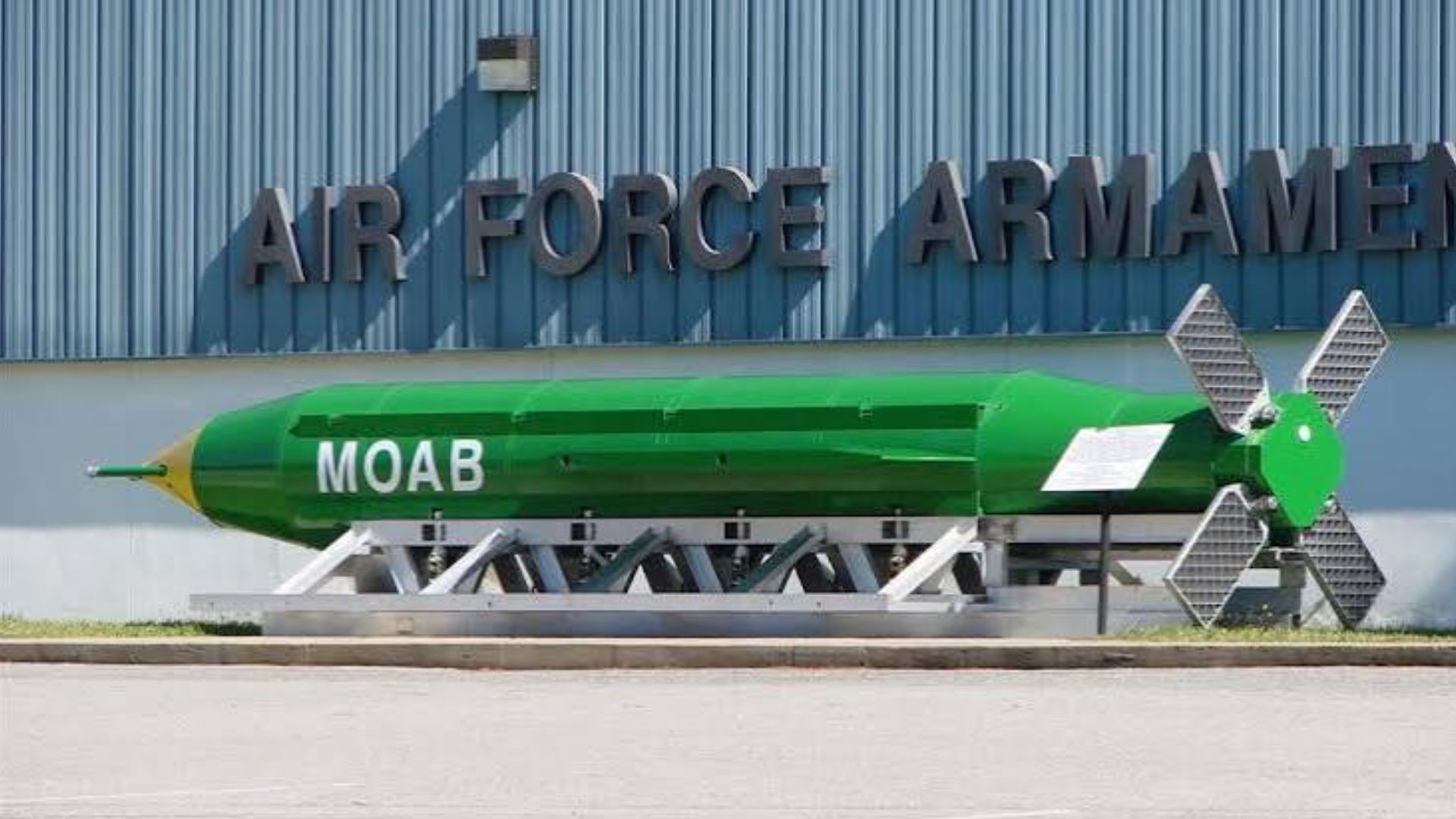
The U.S. military has reportedly prepared contingency plans that could include using the GBU-43/B Massive Ordnance Air Blast bomb against Iranian nuclear and energy facilities if President Donald Trump authorizes renewed combat operations. CNN attributed the report, dated Thursday, October 15, to American officials familiar with the discussions. Those officials questioned whether employing the weapon would accomplish U.S. strategic objectives. Iranian President Masoud Pezeshkian said Iran is under unprecedented pressure from attacks, assassinations, and restrictions affecting maritime, air, and land routes.
Watchmen Signals
Biblical Context
Potential attacks on Iranian nuclear and energy facilities place the story within Scripture’s direct treatment of warfare, national power, violence, and the accountability of rulers. Romans 13:1-4 recognizes government authority and the responsibility of rulers to restrain wrongdoing, but it does not automatically validate every military action taken by a government. The passage therefore supports careful consideration of the stated purpose and justice of any proposed operation, rather than treating military capability as proof of moral legitimacy. Jesus’ teaching in Matthew 26:52 gives a direct warning about the destructive consequences of relying on violence: those who take the sword may perish by it. In context, Jesus is addressing the arrest of Himself and correcting a disciple’s violent intervention, not establishing a complete theory of national defense. It nevertheless provides a relevant moral caution as officials consider the use of an exceptionally destructive weapon. James 4:1-2 connects conflicts and wars with human desires and rivalries. This is not a claim that the passage identifies the motives of the United States or Iran in this particular dispute; rather, it offers a biblical framework for recognizing how competing ambitions can produce escalation. Proverbs 24:11-12 also emphasizes the duty to act when lives are endangered and teaches that God weighs human responsibility. That principle can inform concern for civilians and other people affected by military decisions, although the passage does not prescribe a particular policy for this operation. The report’s reference to attacks, assassinations, and restrictions on land, sea, and air routes also fits Scripture’s broader concern with violence against human life and the conduct of nations. Psalm 82:3-4 calls for the defense of the weak and vulnerable, while Micah 4:3 presents the prophetic hope that nations will ultimately abandon warfare. These passages support concern for justice, protection of civilians, and the biblical hope of peace, but they do not identify the reported U.S. plans as a fulfillment of prophecy. No specific prophetic passage is established by the supplied facts. Iran’s possible association with ancient Persia in some interpretations does not make a modern U.S. strike on Iranian sites a defined fulfillment of prophecy. The article reports a possible military contingency, not the distinctive sequence or conditions required to connect it responsibly to a particular biblical prediction.
Biblical Sources
Scripture references supporting the biblical context above.
Connects wars and conflicts with human desires and rivalries, providing a relevant biblical lens for examining escalation between nations without assigning motives not established by the report.
Jesus warns about the destructive consequences of resorting to the sword. In its immediate context it addresses a disciple’s violence, but it offers a relevant caution regarding reliance on force.
Describes the future prophetic hope of nations ending warfare. It establishes a biblical standard and hope for peace, but the reported plans do not demonstrate fulfillment of this prophecy.
Calls people to rescue those being led toward danger and emphasizes accountability before God, supporting concern for civilians and others endangered by military action.
Commands the defense of the vulnerable and oppressed, making it relevant to the potential human consequences of attacks on major facilities and surrounding populations.
Describes governmental authority and the ruler’s responsibility to restrain wrongdoing; it provides a framework for considering the authority and claimed purpose of proposed military action without endorsing every government decision.
Comments
No comments yet.
Sign in to join the conversation.
Sign In